Introduction
In the ever-evolving landscape of product development, Artificial Intelligence (AI) has emerged as a game-changer, revolutionizing the way companies conceptualize, design, and bring products to market. This article explores the multifaceted uses and substantial benefits of AI in product development, shedding light on how this technology is reshaping the industry.
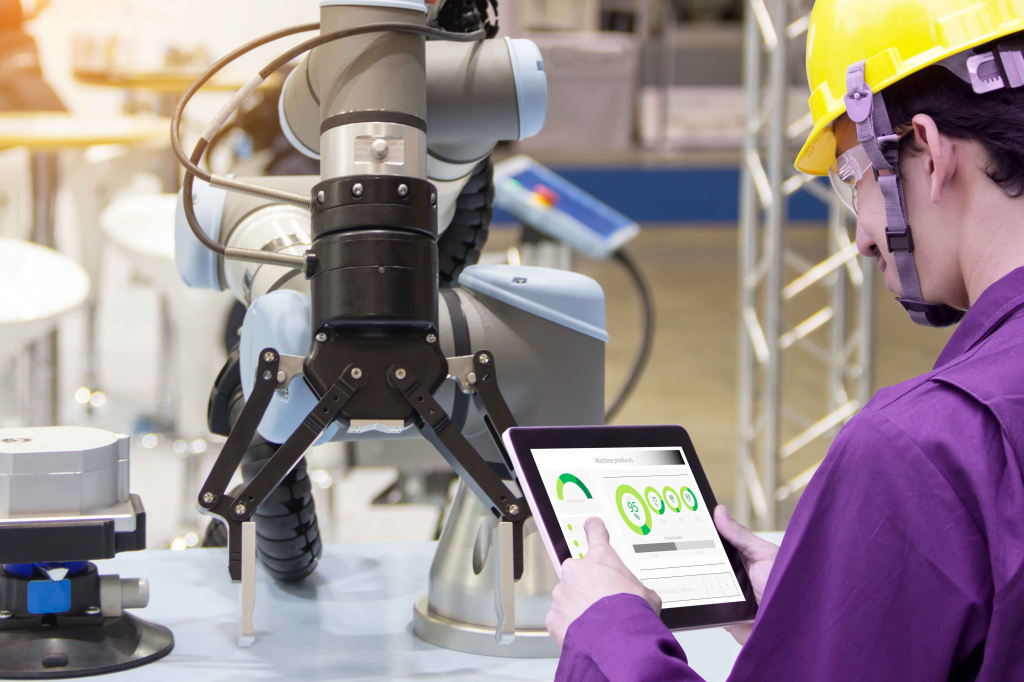
AI in Product Development: A Paradigm Shift
Unleashing Creativity and Innovation
One of the key applications of AI in product development lies in fostering creativity and innovation. Machine learning algorithms analyze vast datasets, identifying patterns and market trends that human minds might overlook. This enables companies to make data-driven decisions, ensuring that their products resonate with consumer preferences and stay ahead of the competition.
Enhancing Design and Prototyping
AI tools play a pivotal role in streamlining the design and prototyping phases of product development. Generative design algorithms assist engineers in creating optimized and efficient product designs. These algorithms explore countless design possibilities, taking into account various constraints, resulting in innovative and resource-efficient solutions.
AI Uses in Product Development
Predictive Analytics for Market Trends
AI’s ability to process and analyze massive datasets facilitates predictive analytics, a crucial asset in understanding market trends. By harnessing historical data, AI algorithms can forecast consumer demands, enabling companies to tailor their products to meet current and future market needs. This predictive power reduces the risk of investing in products that may become obsolete or fail to capture consumer interest.
Supply Chain Optimization
Efficient supply chain management is vital for successful product development. AI algorithms optimize supply chain processes by predicting demand fluctuations, identifying potential bottlenecks, and recommending inventory levels. This not only minimizes production costs but also ensures timely delivery, enhancing customer satisfaction.
Quality Assurance and Testing
AI-driven automation has significantly improved the quality assurance and testing phases of product development. Machine learning algorithms can analyze and detect defects in real-time, reducing the need for manual inspections. This accelerates the testing process and enhances the overall quality of the final product, saving time and resources.
AI Benefits in Product Development
Speeding Up Time-to-Market
Time-to-market is a critical factor in product development. AI expedites various stages of the process, from ideation to production, by automating repetitive tasks and accelerating decision-making. This not only ensures a quicker turnaround but also allows companies to seize market opportunities and stay ahead in the fast-paced business environment.
Cost Efficiency and Resource Optimization
AI’s capacity to automate routine tasks contributes to cost efficiency in product development. By streamlining processes, companies can allocate resources more effectively, reducing both time and financial investments. This enhanced resource optimization allows for a more agile response to market demands and changes in project scope.
Personalization and Customization
The personalization of products has become a key trend, and AI plays a crucial role in achieving this. Machine learning algorithms analyze customer preferences, purchase history, and behavior, allowing companies to tailor products to individual needs. This not only enhances customer satisfaction but also fosters brand loyalty.
Continuous Improvement through Feedback Loops
AI facilitates continuous improvement through the creation of feedback loops. By analyzing user feedback, usage patterns, and performance data, companies can iteratively refine and enhance their products post-launch. This iterative process ensures that products stay relevant and competitive in the ever-changing market.
Conclusion
In conclusion, the integration of AI in product development has ushered in a new era of efficiency, innovation, and adaptability. From predicting market trends to optimizing supply chains and enhancing design processes, AI’s uses are diverse and impactful. The benefits, including accelerated time-to-market, cost efficiency, personalization, and continuous improvement, make AI an indispensable tool for companies aiming to thrive in the dynamic world of product development. Embracing AI is not just a technological choice; it is a strategic imperative for those seeking to lead the way in the competitive landscape of the future.
 Tech Business
Leave a comment