In the dynamic landscape of product development, Artificial Intelligence (AI) has emerged as a game-changer, revolutionizing traditional processes and opening new frontiers. This article explores the profound impact of AI in product development, delving into its benefits and the innovative ways it is reshaping the landscape.
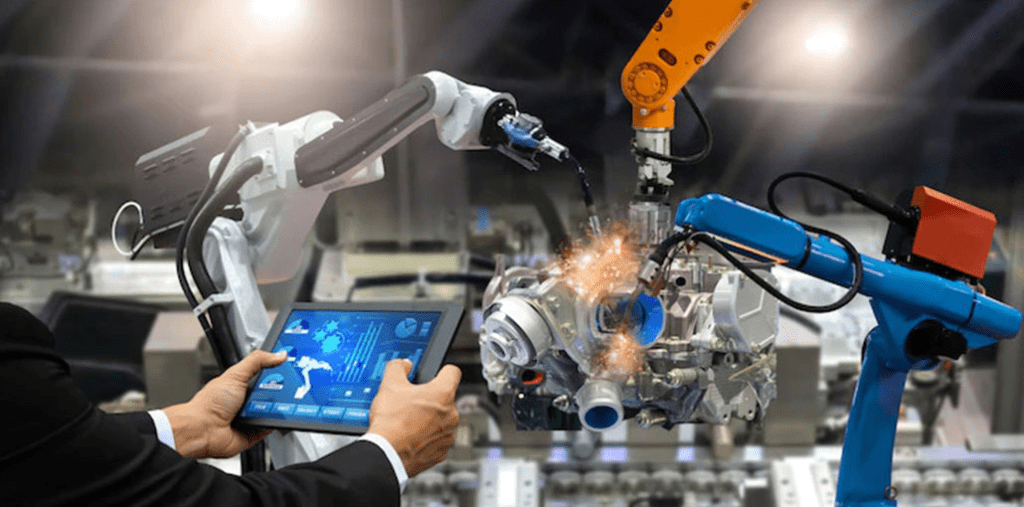
AI in Product Development: A Paradigm Shift
Understanding AI’s Role in New Product Development
AI is not just a technological buzzword; it’s a strategic asset that is reshaping the way businesses conceive, design, and launch new products. Traditionally, the product development process involved extensive market research, prototyping, and iterative testing. However, AI brings a paradigm shift by infusing data-driven insights and predictive analytics into each stage of the product development lifecycle.
Benefits of AI in Product Development
1. Data-Driven Decision Making
One of the primary advantages of incorporating AI in product development is the ability to make informed decisions based on data analysis. AI algorithms can process massive datasets, identify patterns, and extract valuable insights, guiding decision-makers in developing products that align with market demands.
2. Innovation through Predictive Analytics
AI enables businesses to harness the power of predictive analytics, forecasting future trends and consumer preferences. By analyzing historical data, AI algorithms can identify emerging patterns, allowing businesses to stay ahead of the curve and innovate proactively.
3. Enhanced Efficiency and Time-to-Market
AI in automation is a very important feature, and in product development, this translates to improved efficiency and reduced time-to-market. Tasks such as prototyping, testing, and optimization can be automated, allowing teams to focus on high-impact activities and accelerating the overall product development lifecycle.
4. Personalized Customer Experiences
AI facilitates the creation of products tailored to individual customer needs. By analyzing customer behavior and preferences, businesses can develop personalized products that resonate with their target audience, fostering brand loyalty and customer satisfaction.
The Use of AI in Different Stages of Product Development
1. Idea Generation and Conceptualization
In the ideation phase, AI tools assist teams in brainstorming by providing insights derived from market trends, consumer behavior, and competitor analysis. Natural Language Processing (NLP) algorithms can sift through vast amounts of textual data to identify emerging themes and sentiments, aiding teams in shaping innovative ideas.
2. Prototyping and Design
AI-powered design tools leverage generative algorithms to create prototypes rapidly. These tools understand design principles, user preferences, and industry trends to generate aesthetically pleasing and functional prototypes. This not only expedites the design process but also ensures that the final product aligns with user expectations.
3. Testing and Quality Assurance
AI plays a crucial role in product testing and quality assurance. Machine learning algorithms can identify potential defects, analyze user feedback, and predict areas that may require improvement. This proactive approach enhances the overall quality of the product, reducing the likelihood of post-launch issues.
4. Market Launch and Post-Launch Optimization
During the launch phase, AI continues to provide valuable insights. Predictive analytics help in fine-tuning marketing strategies, optimizing pricing models, and even predicting potential challenges. Post-launch, AI-driven analytics assess customer feedback, enabling businesses to iterate on the product, release updates, and ensure ongoing customer satisfaction.
Overcoming Challenges and Ensuring Ethical AI Integration
While the benefits of AI in product development are evident, it’s essential to address challenges and ethical considerations. Ensuring data privacy, transparency in AI decision-making processes, and eliminating biases are crucial aspects of responsible AI integration. Companies must invest in robust governance frameworks and regularly update AI models to align with evolving ethical standards.
Conclusion: The Future is Now
In conclusion, the integration of AI in product development represents a monumental shift in how businesses innovate and bring products to market. The benefits are tangible, from data-driven decision-making to personalized customer experiences and streamlined processes. As AI continues to evolve, businesses that embrace this technology are poised to lead the way in creating innovative, customer-centric products that define the future of their industries. The journey to successful AI integration in product development begins now – are you ready to embrace the future?
 Tech Business
Leave a comment