Introduction
As the integration of Artificial Intelligence (AI) continues to revolutionize various industries, its impact on fleet management is particularly noteworthy. AI-powered solutions are transforming traditional fleet management practices, offering unparalleled efficiency, cost savings, and safety enhancements. This article explores key use cases of AI in fleet management, shedding light on how this technology is reshaping the landscape of logistics and transportation.
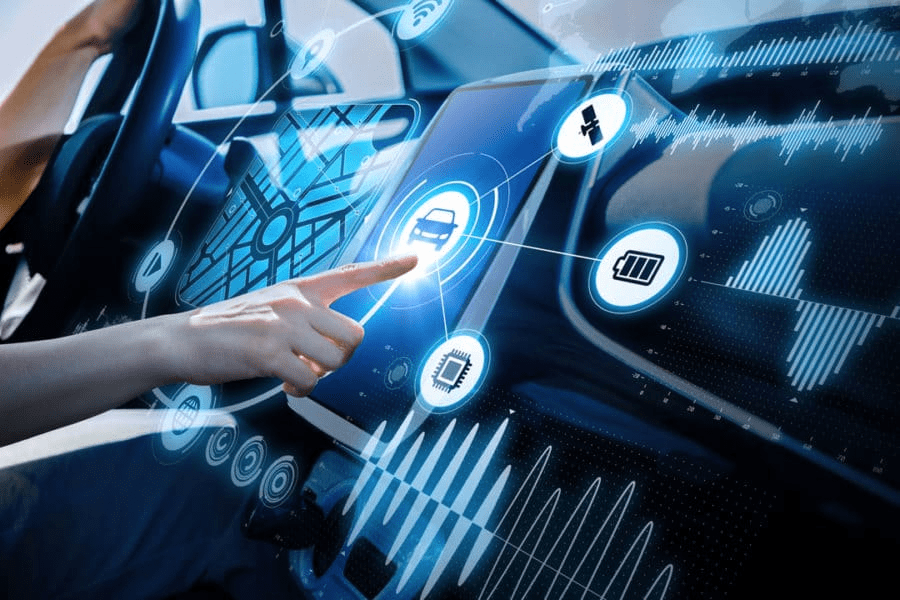
- Predictive Maintenance for Fleet Optimization
AI’s predictive maintenance capabilities are a game-changer in fleet management. By analyzing real-time data from vehicles, applications of AI in fleet management involve prediction of potential issues before they escalate, allowing for proactive maintenance. Predictive maintenance not only minimizes downtime but also extends the lifespan of vehicles and reduces overall maintenance costs.
For instance, sensors and IoT devices can monitor factors like engine performance, tire pressure, and brake health. AI algorithms process this data to identify patterns and anomalies, predicting when specific components are likely to require attention. Fleet managers can then schedule maintenance activities strategically, optimizing vehicle availability and reducing the risk of unexpected breakdowns.
- Route Optimization and Fuel Efficiency
AI excels in optimizing routes for fleets, considering factors such as traffic conditions, weather, and historical data. By leveraging machine learning algorithms, fleet management systems can analyze vast amounts of information to identify the most efficient routes for each vehicle in real-time. This not only reduces fuel consumption but also enhances overall operational efficiency.
Moreover, AI-driven route optimization contributes to on-time deliveries, customer satisfaction, and cost savings. Fleet managers can make informed decisions, adapting routes dynamically based on changing conditions, ultimately reducing fuel expenses and minimizing environmental impact.
- Driver Behavior Monitoring and Safety
Ensuring the safety of drivers and vehicles is paramount in fleet management. AI plays a crucial role in monitoring and improving driver behavior through the analysis of various parameters such as speed, braking patterns, and adherence to traffic rules.
Driver monitoring systems powered by AI can provide real-time feedback to drivers, encouraging safer practices on the road. Additionally, AI algorithms can detect signs of fatigue or distraction, prompting timely interventions to prevent accidents. This focus on safety not only protects drivers and assets but also contributes to lower insurance costs and improved regulatory compliance.
- Enhanced Asset Tracking and Inventory Management
AI enhances asset tracking by providing real-time visibility into the location and status of each vehicle in a fleet. By utilizing GPS data and IoT sensors, fleet management systems can accurately track the movement of assets, ensuring efficient utilization and reducing the risk of theft or loss.
Furthermore, AI-driven inventory management systems help track the movement and condition of goods being transported. This improves supply chain visibility, minimizes errors in inventory tracking, and facilitates better decision-making regarding stock levels and reordering.
- Dynamic Scheduling and Load Balancing
Efficient scheduling is a critical aspect of fleet management, especially in logistics and transportation. AI algorithms excel in dynamic scheduling, considering factors like delivery windows, vehicle capacity, and real-time traffic conditions.
By optimizing schedules, fleet managers can achieve better load balancing, reduce idle time, and enhance overall productivity. AI helps adapt to unforeseen circumstances, such as traffic congestion or last-minute changes, ensuring that resources are allocated optimally and delivery timelines are met.
- Compliance Management and Reporting
AI in fleet management plays a pivotal role in ensuring compliance with regulations and industry standards. By automating compliance checks and reporting, AI systems help fleet managers stay abreast of legal requirements, reducing the risk of penalties and fines.
For example, AI can monitor factors like driver hours, vehicle emissions, and maintenance records to ensure compliance with environmental regulations. Automated reporting tools provide comprehensive insights, making it easier for fleet managers to demonstrate adherence to regulatory standards during audits.
- Cost Analysis and Optimization
Cost management is a constant challenge in fleet operations, and AI provides valuable tools for analysis and optimization. Machine learning algorithms can analyze historical data to identify cost patterns, allowing fleet managers to make data-driven decisions for cost reduction and optimization.
By evaluating factors such as fuel consumption, maintenance expenses, and route efficiency, AI helps identify areas where costs can be minimized without compromising operational effectiveness. This proactive approach enables fleet managers to implement cost-saving measures and improve the overall financial performance of the fleet.
Conclusion
AI’s integration into fleet management is reshaping the industry, offering a multitude of benefits ranging from predictive maintenance to route optimization and cost analysis. The use cases highlighted in this article illustrate the transformative impact of AI in enhancing efficiency, safety, and overall operational effectiveness. As technology continues to advance, the synergy between AI and fleet management is poised to drive further innovation, ensuring that logistics and transportation industries can navigate the complexities of modern operations with unprecedented efficiency and intelligence.
 Tech Business
Leave a comment