In the realm of blockchain technology, Non-Fungible Tokens (NFTs) have taken center stage, representing unique and irreplaceable digital assets. As the demand for NFTs continues to soar, the development of NFT marketplaces has become a pivotal aspect of the digital ecosystem. This article explores the intricacies of NFT marketplace development, shedding light on its significance, the underlying technology, key considerations, and the future landscape.
Understanding NFT Marketplaces: A Gateway to Digital Ownership
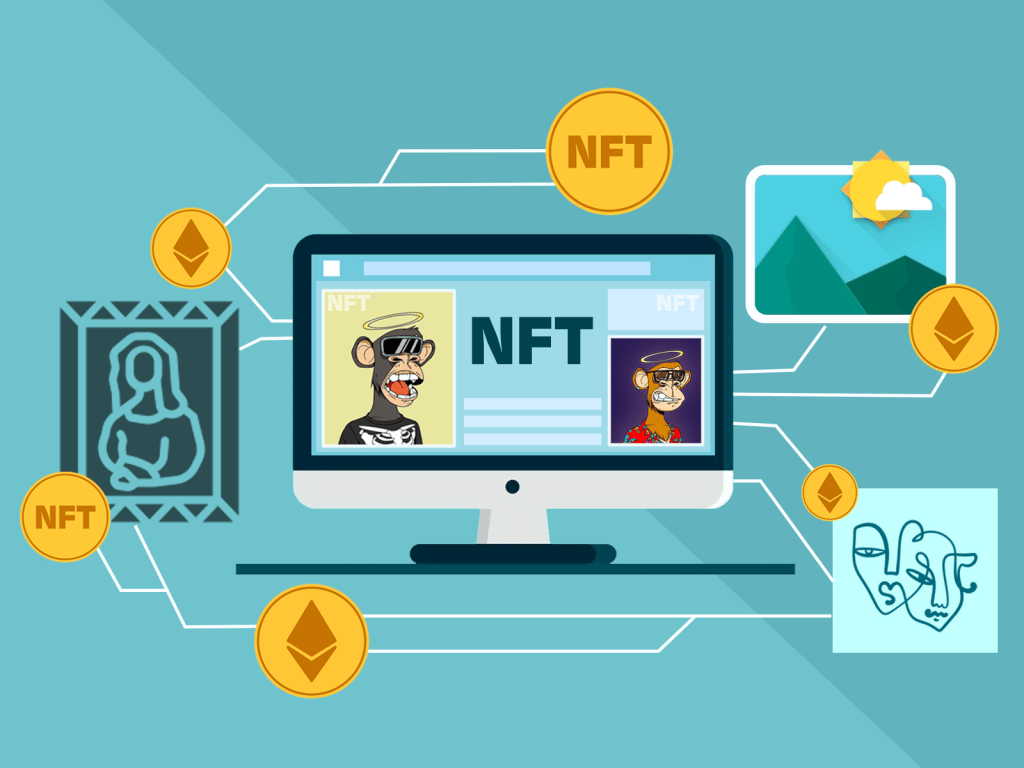
NFTs, built on blockchain technology, are distinct tokens that certify ownership of unique digital assets, ranging from digital art and music to virtual real estate and in-game items. NFT marketplaces serve as the platforms where users can buy, sell, and trade these digital assets, creating a decentralized ecosystem for creators and collectors alike. Key components of NFT marketplace development are mentioned below.
Key Components of NFT Marketplace Development
- Smart Contracts:
- Utilizing smart contracts to encode the ownership details, transfer conditions, and royalties for digital assets.
- Blockchain Infrastructure:
- Choosing a blockchain network (Ethereum, Binance Smart Chain, etc.) that supports NFT standards (like ERC-721 or ERC-1155).
- User Wallet Integration:
- Enabling users to connect their digital wallets for secure transactions and ownership verification.
- Metadata Management:
- Handling metadata associated with NFTs, including descriptions, attributes, and provenance details.
- Payment Gateways:
- Integrating secure and efficient payment gateways for seamless transactions in cryptocurrency.
The Significance of NFT Marketplace Development
- Empowering Creators:
- NFT marketplaces provide a direct avenue for creators to monetize their digital works without the need for intermediaries.
- Digital Ownership Revolution:
- NFTs redefine ownership in the digital space, offering a secure and transparent way for users to claim ownership of unique assets.
- Cultural Impact:
- NFTs have transcended the digital realm, impacting the art, music, gaming, and entertainment industries, creating a new paradigm for digital content ownership.
Challenges and Considerations in NFT Marketplace Development
- Scalability Issues:
- As NFT transactions increase, scalability becomes a concern. Developers must consider the blockchain network’s capacity and potential bottlenecks.
- Gas Fees:
- High transaction fees (gas fees) on some blockchain networks can pose challenges for users and developers.
- Security Measures:
- Implementing robust security measures to protect digital assets and user data from potential threats.
Steps in NFT Marketplace Development
1. Define Project Objectives:
- Clearly outline the goals and features of the NFT marketplace, considering the target audience and type of digital assets to be traded.
2. Choose Blockchain and NFT Standards:
- Select a blockchain network and NFT standards that align with the project’s requirements and user base.
3. Smart Contract Development:
- Develop smart contracts to handle the creation, transfer, and ownership details of NFTs.
4. User Wallet Integration:
- Integrate user-friendly digital wallets for a seamless and secure user experience.
5. Metadata Management:
- Implement a robust system for managing metadata associated with digital assets.
6. Payment Gateway Integration:
- Integrate secure payment gateways to facilitate cryptocurrency transactions.
7. Testing:
- Conduct thorough testing to ensure the functionality, security, and scalability of the NFT marketplace.
8. Deployment:
- Deploy the NFT marketplace on the chosen blockchain network, making it accessible to users.
Use Cases: Beyond Digital Art
- Digital Collectibles:
- Rare and unique digital collectibles, such as virtual trading cards or exclusive in-game items.
- Virtual Real Estate:
- Ownership of virtual spaces, creating a market for digital real estate.
- Domain Names:
- Unique blockchain-based domain names as digital assets.
Future Trends in NFT Marketplace Development
- Cross-Chain Compatibility:
- NFT marketplaces expanding to support multiple blockchain networks, allowing for greater interoperability.
- Fractionalized Ownership:
- Introduction of fractionalized NFT ownership, enabling users to own a fraction of high-value assets.
- Enhanced Interactivity:
- NFTs evolving to include interactive elements, creating dynamic and immersive digital experiences.
Conclusion: Pioneering the Future of Digital Ownership
NFT marketplace development stands at the forefront of a digital revolution, reshaping how we perceive and trade unique digital assets. As the technology continues to mature and find applications beyond art, the potential for innovation in the NFT space is boundless. By navigating the complexities of blockchain, smart contracts, and user experience, developers and entrepreneurs can unlock new possibilities, empowering creators and collectors in the ever-expanding world of digital ownership. The journey has just begun – welcome to the frontier of decentralized creativity and ownership.
 Tech Business
Leave a comment