Introduction: The Evolution of AI in Modern Industries
Artificial Intelligence (AI) has transcended the realm of science fiction to become a cornerstone of modern innovation across diverse industries. From healthcare to finance, manufacturing to retail, AI-driven solutions are revolutionizing traditional practices, enhancing efficiency, and unlocking new opportunities for growth. In this article, we delve into the myriad use cases of AI across major industries, shedding light on the transformative impact of this groundbreaking technology.
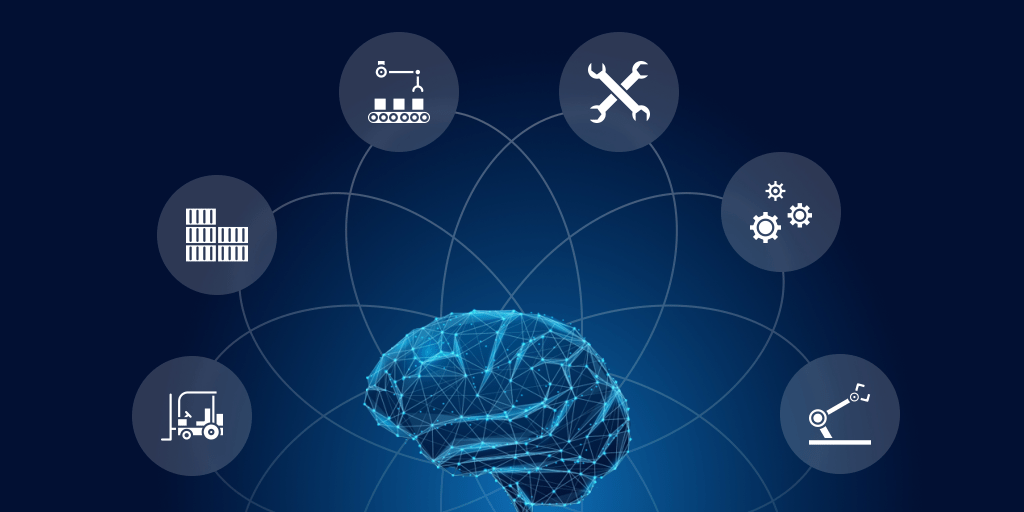
Top AI Use cases are mentioned below:
Healthcare: Enhancing Patient Care and Treatment
In healthcare, AI is driving significant advancements in diagnosis, treatment, and patient care. AI-powered diagnostic tools leverage machine learning algorithms to analyze medical imaging data, enabling early detection of diseases such as cancer and diabetic retinopathy. Natural Language Processing (NLP) algorithms extract insights from unstructured clinical notes, facilitating personalized treatment plans and predictive analytics. Moreover, AI-driven chatbots offer round-the-clock assistance to patients, streamlining appointment scheduling, medication management, and remote monitoring.
Finance: Empowering Data-Driven Decision Making
The financial industry harnesses AI to streamline operations, mitigate risks, and deliver personalized services to customers. Fraud detection algorithms leverage machine learning to identify suspicious activities and prevent unauthorized transactions in real-time. AI-powered robo-advisors analyze market trends and customer preferences to offer tailored investment advice and portfolio management solutions. Moreover, natural language processing algorithms process vast amounts of financial data to generate insights for trading strategies, risk assessment, and regulatory compliance.
Manufacturing: Driving Efficiency and Innovation
In manufacturing, AI is driving a paradigm shift towards smart, connected factories characterized by automation, predictive maintenance, and real-time optimization. AI-driven predictive maintenance systems analyze sensor data to anticipate equipment failures and schedule maintenance proactively, minimizing downtime and optimizing production efficiency. Computer vision algorithms inspect products for defects, ensuring quality control and compliance with industry standards. Furthermore, AI-powered supply chain management systems optimize inventory levels, reduce lead times, and enhance supply chain resilience through predictive analytics and demand forecasting.
Retail: Personalizing Customer Experiences
Retailers leverage AI to deliver personalized shopping experiences, optimize pricing strategies, and streamline operations across the value chain. Recommendation systems analyze customer behavior and preferences to suggest relevant products and promotions, driving sales and customer engagement. AI-powered visual search tools enable customers to find products using images, enhancing the shopping experience and reducing friction in the purchase journey. Furthermore, AI-driven inventory management systems optimize stock levels, minimize stockouts, and reduce excess inventory through demand forecasting and supply chain optimization.
Transportation: Revolutionizing Mobility and Logistics
In the transportation sector, AI is driving innovation in autonomous vehicles, route optimization, and predictive maintenance, ushering in a new era of mobility and logistics. AI-powered autonomous vehicles leverage sensors, cameras, and machine learning algorithms to navigate roads safely, mitigate risks, and optimize fuel efficiency. Route optimization algorithms analyze traffic patterns, weather conditions, and historical data to optimize delivery routes and minimize transportation costs. Moreover, predictive maintenance systems leverage AI to monitor vehicle health in real-time, detect potential failures, and schedule maintenance proactively, ensuring fleet reliability and uptime.
Conclusion: Embracing the AI Revolution
As AI continues to permeate every facet of modern society, its transformative impact on major industries is undeniable. From healthcare and finance to manufacturing, retail, and transportation, AI-driven solutions are reshaping traditional practices, driving efficiency, and unlocking new opportunities for innovation and growth. By harnessing the power of AI, organizations can enhance decision-making, improve customer experiences, and stay ahead in an increasingly competitive landscape. As we embrace the AI revolution, let us harness its potential to drive positive change and create a more connected, intelligent, and prosperous future for all.
 Tech Business
Leave a comment