Production planning is a critical aspect of manufacturing that involves coordinating various processes to ensure efficient production workflows. With the advent of advanced technologies, Artificial Intelligence (AI) has emerged as a game-changer in this domain. AI in production planning is transforming how manufacturers design, manage, and optimize their production processes. This article delves into the significant impacts of AI on production planning, highlighting key benefits, challenges, and future prospects.
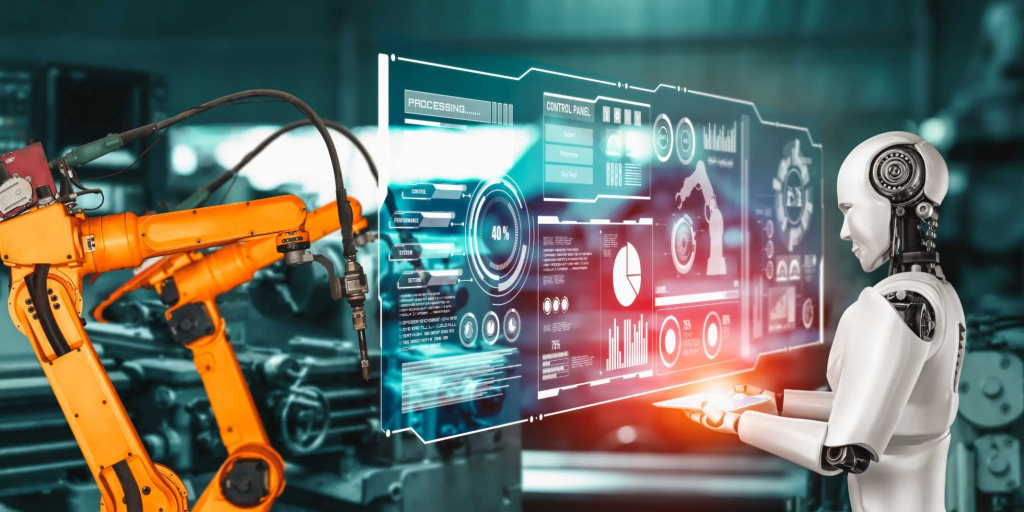
Understanding AI in Production Planning
What is AI in Production Planning?
AI in production planning refers to the application of artificial intelligence technologies, such as machine learning, predictive analytics, and optimization algorithms, to enhance the efficiency and effectiveness of production processes. By leveraging vast amounts of data, AI systems can make informed decisions, predict potential issues, and optimize resource allocation in real time.
How AI is Integrated into Production Planning
AI is integrated into production planning through various tools and systems that collect and analyze data from multiple sources. These systems include:
- Predictive Analytics: AI algorithms analyze historical data to forecast future production needs, demand fluctuations, and potential bottlenecks.
- Optimization Algorithms: These algorithms help in optimizing production schedules, resource allocation, and supply chain management.
- Real-Time Monitoring: AI systems continuously monitor production processes, providing real-time insights and enabling quick adjustments.
- Automated Decision-Making: AI can automate routine decision-making tasks, freeing up human resources for more strategic activities.
Benefits of AI in Production Planning
Enhanced Efficiency and Productivity
One of the most significant benefits of AI in production planning is the enhancement of efficiency and productivity. AI algorithms can analyze vast amounts of data much faster than human capabilities, identifying patterns and insights that can lead to more efficient production schedules and processes.
Improved Demand Forecasting
Accurate demand forecasting is crucial for efficient production planning. AI systems use machine learning to analyze historical sales data, market trends, and external factors to predict future demand with high accuracy. This helps manufacturers to align their production plans with market needs, reducing overproduction and stockouts.
Optimal Resource Utilization
AI in production planning ensures optimal utilization of resources such as materials, machinery, and labor. By analyzing production data, AI can identify underutilized resources and suggest ways to reallocate them effectively, thereby reducing waste and lowering operational costs.
Reduced Downtime and Maintenance Costs
AI-powered predictive maintenance tools can forecast equipment failures before they occur. By analyzing data from sensors and historical maintenance records, AI can predict when a machine is likely to fail and schedule maintenance activities proactively. This reduces unplanned downtime and maintenance costs, ensuring smooth production workflows.
Enhanced Supply Chain Management
AI improves supply chain management by providing real-time visibility into inventory levels, supplier performance, and logistics. This enables manufacturers to optimize their supply chains, reducing lead times and improving overall efficiency.
Challenges of Implementing AI in Production Planning
Data Quality and Integration
One of the primary challenges of implementing AI in production planning is ensuring data quality and integration. AI systems rely on accurate and comprehensive data to make informed decisions. Inconsistent or incomplete data can lead to incorrect predictions and suboptimal outcomes.
High Implementation Costs
The initial cost of implementing AI technologies can be high. This includes the cost of acquiring AI tools, integrating them into existing systems, and training staff to use them effectively. For small and medium-sized enterprises (SMEs), these costs can be a significant barrier.
Workforce Adaptation
Introducing AI in production planning requires a workforce that is skilled in using these advanced technologies. This often necessitates comprehensive training programs and a cultural shift within the organization. Resistance to change and lack of technical expertise can hinder the successful adoption of AI.
Security and Privacy Concerns
AI systems often handle sensitive and proprietary information. Ensuring the security and privacy of this data is crucial to prevent breaches and maintain trust. Robust cybersecurity measures and compliance with data protection regulations are essential when implementing AI in production planning.
Future Prospects of AI in Production Planning
Integration with Industry 4.0
The future of AI in production planning is closely tied to the broader Industry 4.0 movement, which emphasizes the integration of digital technologies in manufacturing. AI, combined with the Internet of Things (IoT), advanced robotics, and big data analytics, will drive the next wave of innovation in production planning.
Autonomous Production Systems
The development of autonomous production systems is a key future prospect. These systems can operate with minimal human intervention, making decisions and optimizing processes based on real-time data. This will lead to highly efficient and adaptable production environments.
Continuous Learning and Improvement
AI systems are capable of continuous learning, meaning they can improve over time by learning from new data and feedback. This will enable production planning processes to become increasingly accurate and efficient, adapting to changing market conditions and production requirements.
Collaboration between Humans and AI
The future will see a more collaborative relationship between humans and AI in production planning. AI will handle data-intensive tasks and provide insights, while human planners will focus on strategic decision-making and creative problem-solving. This synergy will maximize the strengths of both humans and AI.
Conclusion
AI in production planning is revolutionizing the manufacturing industry by enhancing efficiency, improving demand forecasting, optimizing resource utilization, and reducing downtime. Despite challenges such as data quality, implementation costs, and workforce adaptation, the benefits far outweigh the obstacles. As AI technologies continue to evolve, they will play an increasingly vital role in shaping the future of production planning, driving innovation and competitiveness in the manufacturing sector. Embracing AI in production planning is no longer a choice but a necessity for manufacturers aiming to thrive in the digital age.
 Tech Business
Leave a comment