Regulatory compliance is a critical aspect of business operations across industries, ensuring that companies adhere to laws, regulations, and standards set by governing bodies. The advent of Artificial Intelligence (AI) has introduced a transformative approach to managing compliance, offering unprecedented accuracy, efficiency, and cost-effectiveness. This article explores how AI in regulatory compliance is changing the landscape and what businesses need to know to leverage these advancements effectively.
Understanding Regulatory Compliance
Regulatory compliance involves adhering to laws, guidelines, and specifications relevant to business processes. It encompasses a wide range of activities, including data protection, financial reporting, environmental standards, and more. Non-compliance can result in hefty fines, legal penalties, and damage to a company’s reputation. Traditionally, compliance has been a manual, labor-intensive process, but AI is rapidly changing that.
The Role of AI in Regulatory Compliance
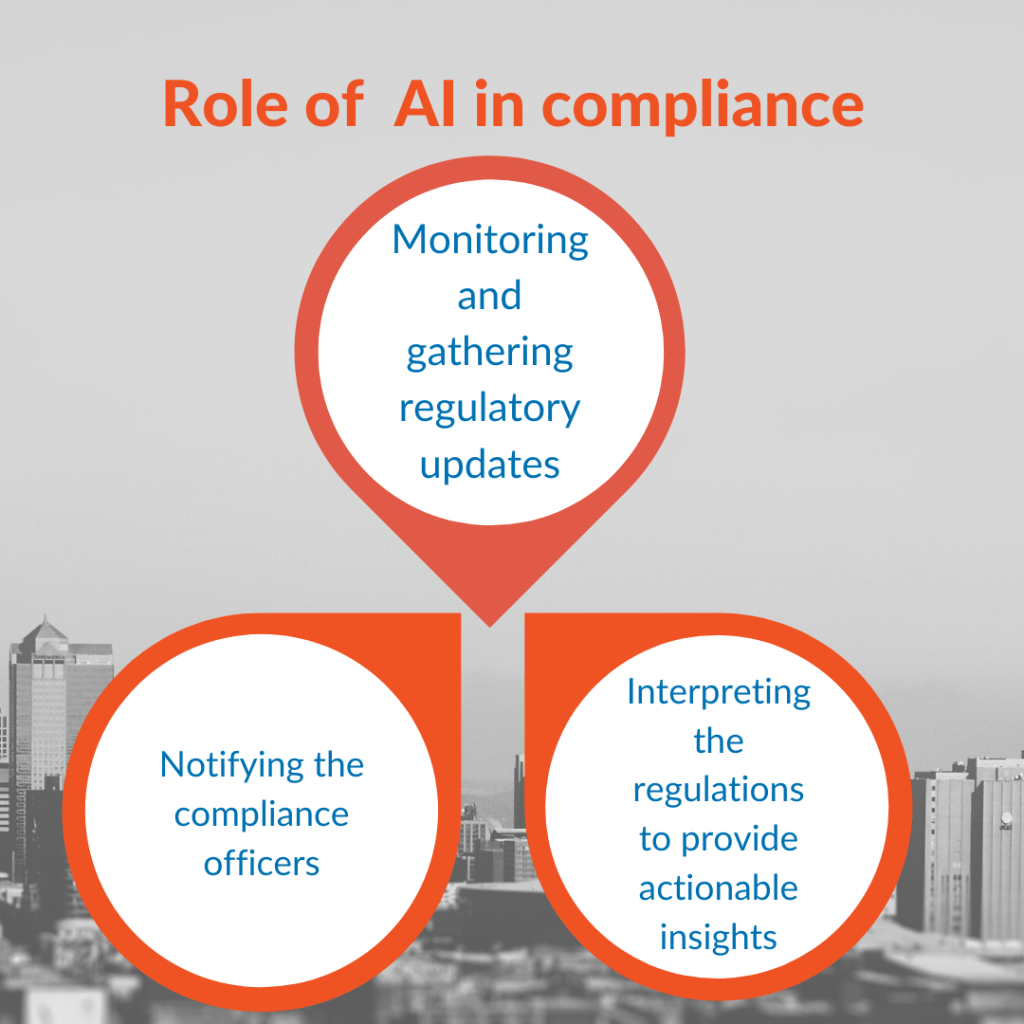
AI in regulatory compliance utilizes advanced algorithms, machine learning, and data analytics to streamline and enhance compliance processes. Here are some key ways AI is making a difference:
Automating Routine Tasks
One of the primary benefits of AI is its ability to automate repetitive and time-consuming tasks. AI-powered systems can handle vast amounts of data quickly and accurately, ensuring that all necessary documentation is filed correctly and on time. This reduces the burden on human employees and minimizes the risk of human error.
Enhanced Data Analysis
AI excels at analyzing large datasets to identify patterns and anomalies that may indicate non-compliance. Machine learning models can be trained to recognize suspicious activities, such as fraudulent transactions or deviations from standard procedures, and flag them for further investigation. This proactive approach helps organizations address potential issues before they escalate into major problems.
Real-Time Monitoring
AI enables continuous, real-time monitoring of compliance activities. Traditional compliance audits are typically conducted periodically, which means issues can go undetected for months. AI systems can provide ongoing oversight, instantly detecting and reporting any irregularities. This real-time capability ensures that businesses can respond swiftly to compliance breaches.
Predictive Analytics
Predictive analytics, powered by AI, allows companies to anticipate and prepare for future regulatory changes. By analyzing historical data and current trends, AI can forecast potential compliance risks and suggest proactive measures to mitigate them. This forward-looking approach helps organizations stay ahead of regulatory changes and avoid costly penalties.
Applications of AI in Different Sectors
AI in regulatory compliance is making waves across various industries, each with its unique set of regulations and compliance requirements. Here are a few examples:
Financial Services
In the financial sector, compliance with anti-money laundering (AML) and know-your-customer (KYC) regulations is paramount. AI can streamline these processes by quickly verifying customer identities, monitoring transactions for suspicious activity, and ensuring that all reporting requirements are met. This not only reduces the workload for compliance officers but also enhances the accuracy and efficiency of compliance efforts.
Healthcare
Healthcare providers must comply with a multitude of regulations regarding patient data privacy, such as the Health Insurance Portability and Accountability Act (HIPAA). AI can assist by automating the monitoring of data access and usage, ensuring that patient information is handled in accordance with regulatory requirements. Additionally, AI can help identify and address potential security vulnerabilities that could lead to data breaches.
Manufacturing
In the manufacturing industry, compliance often involves adhering to safety standards and environmental regulations. AI can be used to monitor production processes, detect any deviations from compliance standards, and predict potential risks. For example, AI-powered sensors can track emissions levels in real-time, ensuring that companies remain within regulatory limits and avoid fines.
Challenges and Considerations
While the benefits of AI in regulatory compliance are substantial, there are also challenges and considerations that businesses must address:
Data Privacy and Security
Implementing AI in regulatory compliance requires access to sensitive data. Ensuring the privacy and security of this data is crucial to avoid breaches and maintain trust. Businesses must invest in robust cybersecurity measures and ensure compliance with data protection regulations.
Integration with Existing Systems
Integrating AI solutions with existing compliance systems can be complex. Businesses need to ensure that new AI tools are compatible with their current infrastructure and that employees are trained to use them effectively. A phased approach to implementation can help mitigate these challenges.
Ethical Considerations
AI algorithms must be transparent and free from bias to ensure fair and accurate compliance monitoring. Companies need to establish clear guidelines for AI use and regularly audit their AI systems to maintain ethical standards.
Conclusion
AI in regulatory compliance is revolutionizing how businesses manage their obligations to laws and regulations. By automating routine tasks, enhancing data analysis, enabling real-time monitoring, and providing predictive insights, AI offers a powerful tool for maintaining compliance. As industries continue to adopt AI solutions, they must also address challenges related to data privacy, system integration, and ethical considerations. With careful implementation, AI can significantly enhance the efficiency and effectiveness of regulatory compliance, helping businesses avoid penalties and protect their reputations.
 Tech Business
Leave a comment