Introduction
The integration of Artificial Intelligence (AI) in consumer electronics has revolutionized the way we interact with technology. From smart home devices to advanced personal assistants, AI has seamlessly embedded itself into our daily lives, making technology more intuitive and efficient. This article explores the profound impact of AI in consumer electronics, highlighting key areas where AI is making a significant difference.
Smart Home Devices
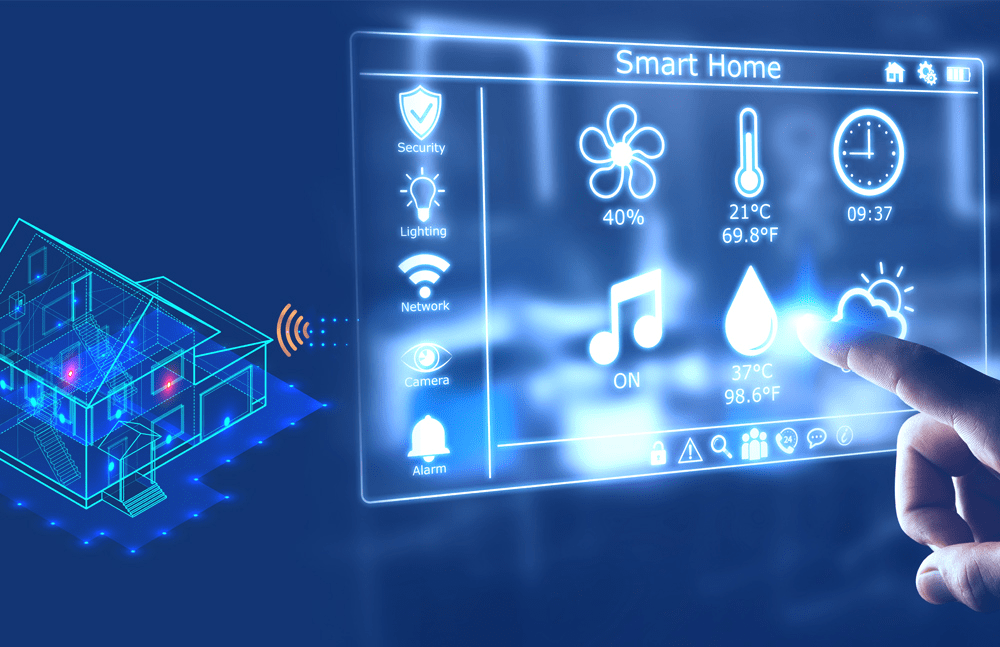
One of the most noticeable areas where AI in consumer electronics has made an impact is in smart home devices. These devices leverage AI to create a more connected and automated home environment. For instance, smart thermostats like the Nest Learning Thermostat use AI to learn the homeowner’s schedule and preferences, adjusting the temperature automatically to optimize comfort and energy efficiency. Similarly, AI-powered security cameras, such as those from Ring or Arlo, use facial recognition and motion detection to provide enhanced security, alerting homeowners to potential intrusions in real-time.
Personal Assistants
Personal assistants like Amazon’s Alexa, Google Assistant, and Apple’s Siri have become ubiquitous in households around the world. These AI-driven assistants use natural language processing (NLP) to understand and respond to voice commands, allowing users to perform tasks hands-free. Whether it’s setting reminders, playing music, controlling smart home devices, or providing weather updates, AI personal assistants have made daily tasks more convenient and accessible. The continuous improvement in NLP algorithms ensures that these assistants become more accurate and useful over time.
Consumer Electronics in Healthcare
AI in consumer electronics is also transforming healthcare. Wearable devices like smartwatches and fitness trackers are now equipped with AI to monitor vital signs, track physical activity, and even detect potential health issues. For example, the Apple Watch uses AI algorithms to detect irregular heartbeats, potentially identifying conditions like atrial fibrillation. These devices provide users with real-time health data, empowering them to make informed decisions about their well-being. Moreover, AI-driven health apps can offer personalized recommendations, contributing to a more proactive approach to health management.
Entertainment and Media
The entertainment industry has also seen a significant shift with the integration of AI in consumer electronics. Streaming services like Netflix and Spotify use AI algorithms to analyze user preferences and behavior, providing personalized content recommendations. This has enhanced the user experience by ensuring that viewers and listeners receive suggestions tailored to their tastes. Additionally, AI is used in gaming to create more realistic and adaptive gameplay, with non-player characters (NPCs) that can learn and evolve based on player actions, providing a more immersive experience.
Enhanced User Experience
AI in consumer electronics is fundamentally about enhancing the user experience. This is evident in the development of more intuitive user interfaces and personalized interactions. For instance, AI-powered cameras in smartphones can automatically adjust settings to capture the best possible photo based on the scene and lighting conditions. In smart TVs, AI can optimize picture and sound quality based on the content being viewed. These advancements ensure that devices work seamlessly and efficiently, providing users with the best possible experience without requiring technical know-how.
Challenges and Considerations
While the benefits of AI in consumer electronics are substantial, there are also challenges and considerations that need to be addressed. Privacy concerns are paramount, as AI devices often require access to personal data to function effectively. Ensuring that this data is collected, stored, and used responsibly is crucial to maintaining user trust. Additionally, the rapid advancement of AI technology necessitates ongoing updates and support to address potential security vulnerabilities. Consumers must remain vigilant and informed about the devices they use and the data they share.
The Future of AI in Consumer Electronics
The future of AI in consumer electronics looks promising, with ongoing innovations poised to further enhance our interaction with technology. We can expect more advanced AI algorithms that provide even greater personalization and efficiency. Emerging technologies like augmented reality (AR) and virtual reality (VR) will likely integrate AI to offer more immersive experiences. Furthermore, the continued development of the Internet of Things (IoT) will see more devices interconnected and smarter, creating a more cohesive and intelligent ecosystem.
Conclusion
AI in consumer electronics has undeniably transformed the landscape of modern technology. From smart home devices and personal assistants to healthcare wearables and entertainment, AI has made technology more accessible, intuitive, and efficient. As we move forward, the integration of AI will continue to drive innovation, offering even greater benefits while addressing the challenges that come with it. The era of AI in consumer electronics is just beginning, promising a future where technology seamlessly integrates into our lives, making everyday tasks easier and more enjoyable.
 Tech Business
Leave a comment