In today’s rapidly evolving business landscape, enterprises are increasingly turning to artificial intelligence (AI) to streamline operations and drive growth. One of the most promising applications of AI in business is the development of AI copilots. These intelligent systems assist human employees by automating routine tasks, providing real-time insights, and enhancing decision-making processes across various domains. Building an AI copilot tailored to enterprise needs involves several key steps and considerations. Here’s a comprehensive guide on how to embark on this transformative journey:
Understanding the Role of an AI Copilot
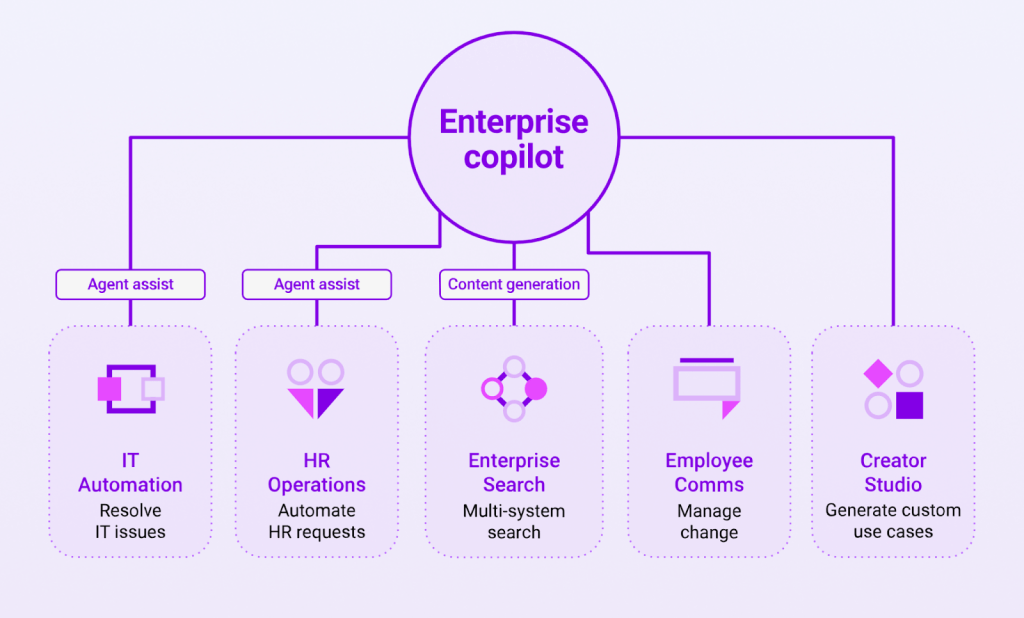
An AI copilot acts as a virtual assistant, supporting employees in performing tasks that require data analysis, prediction, and complex decision-making. Unlike traditional automation tools, AI copilots are capable of learning from data, adapting to new information, and continuously improving their performance. They integrate with existing enterprise systems, such as CRM platforms, ERP software, and data repositories, to deliver actionable insights and recommendations in real time.
Identifying Enterprise Needs and Objectives
Before embarking on the development of an AI copilot, it’s crucial to identify specific business challenges and objectives. Conduct a thorough assessment of current workflows, pain points, and opportunities where AI can make a significant impact. This initial phase involves engaging stakeholders from various departments to gather insights and prioritize use cases that align with strategic goals, such as improving operational efficiency, enhancing customer experience, or optimizing resource allocation.
Data Collection and Preparation
The foundation of any successful AI copilot lies in high-quality data. Begin by identifying relevant data sources within the enterprise, including structured and unstructured data from internal databases, customer interactions, IoT devices, and external sources. Data collection should prioritize accuracy, completeness, and relevance to the tasks the AI copilot will perform. Implement data governance policies to ensure data security, compliance with regulations, and ethical use of information.
Building a Robust AI Model
Developing an AI copilot involves building and training machine learning models tailored to enterprise requirements. Select appropriate algorithms based on the nature of the tasks, such as natural language processing (NLP) for text analysis, predictive analytics for forecasting, or computer vision for image recognition. Leverage frameworks and tools that facilitate model development, training, and evaluation, ensuring scalability and performance optimization. Collaborate with data scientists and AI experts to iteratively refine models based on feedback and performance metrics.
Integration with Enterprise Systems
Seamless integration with existing enterprise systems is essential for the effective deployment of an AI copilot. APIs and middleware enable connectivity between the AI copilot and core business applications, allowing for data exchange, task automation, and real-time decision support. Ensure compatibility with IT infrastructure, security protocols, and user interfaces to promote user adoption and minimize disruptions to workflow.
Implementing Ethical and Regulatory Considerations
Ethical considerations surrounding AI deployment in enterprises are paramount. Develop policies and guidelines for responsible AI use, addressing issues such as data privacy, algorithmic bias, transparency, and accountability. Comply with industry regulations and standards, such as GDPR, HIPAA, or industry-specific guidelines, to protect sensitive information and uphold trust among stakeholders.
Testing and Validation
Prior to deployment, conduct rigorous testing and validation procedures to assess the AI copilot’s performance, accuracy, and reliability. Use simulated environments or pilot programs to evaluate how the AI copilot handles real-world scenarios and edge cases. Solicit feedback from end-users and stakeholders to identify areas for improvement and fine-tune the system’s algorithms and functionalities accordingly.
Continuous Monitoring and Optimization
The journey towards building an AI copilot does not end with deployment but requires ongoing monitoring and optimization. Implement monitoring tools to track performance metrics, user interactions, and system outputs. Utilize feedback loops and analytics to identify patterns, refine algorithms, and introduce new features that align with evolving business needs. Foster a culture of continuous improvement and innovation to maximize the long-term value of the AI copilot within the enterprise ecosystem.
Training and Adoption
Facilitate training sessions and workshops to familiarize employees with the AI copilot’s capabilities, benefits, and usage guidelines. Encourage collaboration between AI systems and human workers, emphasizing the augmentation rather than replacement of human expertise. Provide ongoing support and resources to empower employees in leveraging the AI copilot effectively to achieve individual and organizational goals.
Conclusion
Building an AI copilot for enterprises represents a transformative opportunity to enhance operational efficiency, decision-making agility, and overall competitiveness. By following a structured approach that encompasses understanding enterprise needs, leveraging high-quality data, deploying robust AI models, and fostering ethical practices, businesses can harness the full potential of AI to drive sustainable growth and innovation. Embrace the future of work with AI copilots as strategic partners in navigating the complexities of modern business environments.
Read More: https://www.leewayhertz.com/how-to-build-an-ai-copilot/
 Tech Business
Leave a comment