Introduction: A New Era for Treasury Management
In today’s rapidly evolving financial landscape, the integration of artificial intelligence (AI) is transforming the way organizations manage their treasury functions. AI in treasury management is no longer a futuristic concept but a present-day reality, offering unprecedented opportunities for efficiency, accuracy, and strategic decision-making.
What is AI in Treasury Management?
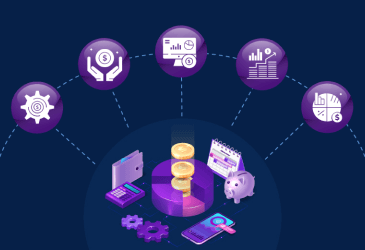
AI in treasury management refers to the application of machine learning, predictive analytics, and other AI technologies to streamline and enhance various treasury activities. These activities include cash management, liquidity forecasting, risk management, and compliance. By leveraging AI, treasurers can optimize processes, reduce manual errors, and make more informed decisions.
Enhancing Cash Management with AI
One of the primary responsibilities of treasury management is effective cash management. AI tools can analyze vast amounts of transactional data in real-time to provide accurate cash flow forecasts. These forecasts enable treasurers to maintain optimal liquidity levels, ensuring that the organization has enough cash on hand to meet its obligations while minimizing idle cash.
For instance, AI algorithms can predict seasonal variations in cash flow based on historical data and market trends. This predictive capability helps in planning for periods of cash surplus or shortage, allowing for proactive measures such as adjusting credit lines or investment strategies.
Optimizing Liquidity Forecasting
Liquidity forecasting is crucial for maintaining the financial health of an organization. Traditional methods often rely on static models and historical data, which may not accurately reflect current market conditions. AI in treasury management revolutionizes this process by using dynamic models that adapt to real-time data inputs.
Machine learning algorithms can continuously learn from new data, improving the accuracy of liquidity forecasts over time. This adaptability is particularly valuable in volatile markets, where rapid changes can significantly impact liquidity positions. With AI-driven forecasting, treasurers can make better-informed decisions regarding short-term borrowing, investment, and cash reserves.
Mitigating Risk through AI
Risk management is another critical area where AI proves invaluable. Treasurers face various risks, including credit risk, market risk, and operational risk. AI can enhance risk management by providing deeper insights and more accurate risk assessments.
For example, AI-powered analytics can assess the creditworthiness of counterparties more effectively than traditional methods. By analyzing a wider range of factors, including market sentiment and social media activity, AI models can detect early signs of credit deterioration. This proactive approach enables treasurers to mitigate potential losses by adjusting credit exposure or negotiating better terms.
In market risk management, AI algorithms can monitor and analyze market conditions in real-time, identifying potential risks and opportunities. This real-time analysis allows treasurers to respond swiftly to market fluctuations, hedging against adverse movements or capitalizing on favorable trends.
Streamlining Compliance with AI
Compliance with regulatory requirements is a significant aspect of treasury management. The ever-changing regulatory landscape can make compliance a challenging task. AI in treasury management simplifies compliance by automating monitoring and reporting processes.
AI systems can scan financial transactions for compliance with regulations, flagging any discrepancies or suspicious activities. This automation reduces the burden on treasury teams, allowing them to focus on more strategic tasks. Additionally, AI can assist in preparing regulatory reports by collating and analyzing relevant data, ensuring accuracy and timeliness.
The Future of AI in Treasury Management
The integration of AI in treasury management is still in its early stages, but the potential for future advancements is immense. As AI technology continues to evolve, we can expect even more sophisticated tools and applications tailored to the specific needs of treasury functions.
Future developments may include more advanced predictive analytics, enhanced risk management models, and increased integration with other financial systems. The continuous improvement of AI algorithms will lead to more accurate and reliable insights, further empowering treasurers to make strategic decisions.
Conclusion: Embracing the AI Revolution
AI in treasury management is transforming the way organizations manage their financial operations. By enhancing cash management, optimizing liquidity forecasting, mitigating risks, and streamlining compliance, AI offers treasurers powerful tools to navigate the complexities of modern finance.
As the technology continues to advance, the role of AI in treasury management will only grow, offering even greater efficiencies and strategic advantages. Embracing AI is not just a technological upgrade; it is a strategic imperative for organizations aiming to stay competitive in the ever-evolving financial landscape.
 Tech Business
Leave a comment