Introduction
In the fast-paced world of logistics, efficiency and innovation are not just desirable—they’re essential. Generative AI, a cutting-edge technology capable of creating new content and solving complex problems, is poised to revolutionize the logistics industry. By harnessing the power of machine learning and advanced algorithms, generative AI platforms are transforming traditional supply chain management and logistics operations.
What is Generative AI?
Generative AI refers to a class of AI algorithms that generate new content, such as images, text, or even strategies, based on input data and learned patterns. Unlike traditional AI models that follow predefined rules, generative AI can create novel solutions and insights, making it particularly valuable in dynamic and unpredictable environments like logistics.
Applications in Logistics
- Demand Forecasting and Inventory Management
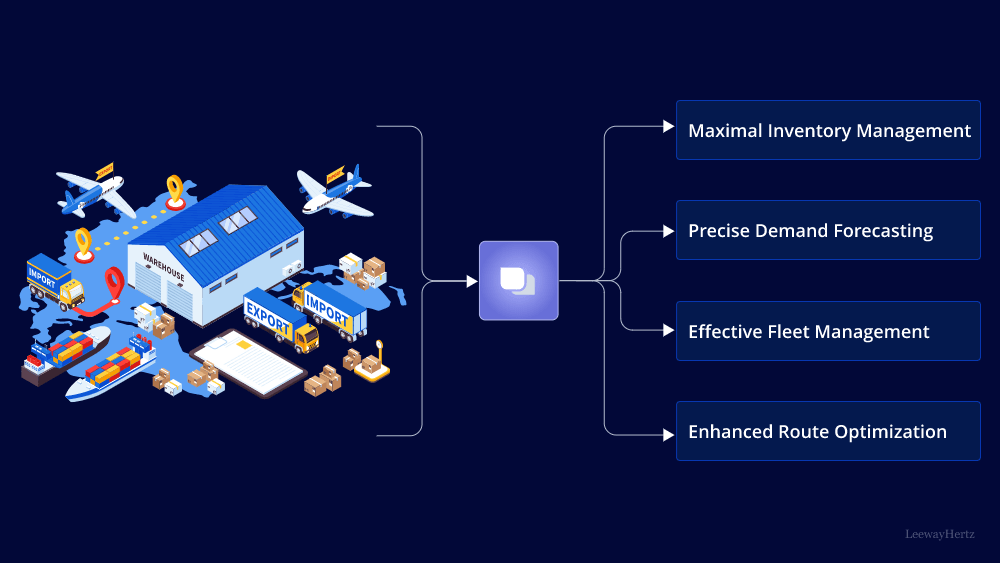
Generative AI platforms analyze historical data, market trends, and external factors to predict demand with unprecedented accuracy. By generating forecasts in real-time, these systems enable logistics companies to optimize inventory levels, reduce waste, and meet customer demands more effectively. - Route Optimization
One of the most critical challenges in logistics is finding the most efficient routes for delivery. Generative AI algorithms can analyze vast amounts of data—including traffic patterns, weather conditions, and delivery constraints—to generate optimal routes in real-time. This capability minimizes fuel consumption, reduces transit times, and improves overall fleet efficiency. - Warehouse Automation
Generative AI plays a crucial role in automating warehouse operations. By analyzing historical data on inventory movement and consumer behavior, AI systems can generate optimized layouts and workflows. This results in faster picking and packing processes, reduced operational costs, and enhanced overall productivity.
Benefits of Generative AI in Logistics
- Enhanced Efficiency
By automating complex decision-making processes, generative AI platforms streamline operations, reduce errors, and improve overall efficiency. This efficiency translates into cost savings and enhanced customer satisfaction. - Innovation and Adaptability
Generative AI fosters innovation by continuously generating new insights and strategies. Logistics companies can leverage these capabilities to adapt quickly to changing market conditions, identify emerging trends, and stay ahead of competitors. - Improved Customer Experience
Through accurate demand forecasting and optimized delivery routes, generative AI platforms ensure timely and reliable service. This results in improved customer satisfaction and loyalty, driving business growth and profitability.
Challenges and Considerations
While generative AI offers significant advantages, its implementation in logistics comes with challenges. These include data privacy concerns, the need for robust cybersecurity measures, and the potential for job displacement due to automation. Addressing these challenges requires careful planning, ethical considerations, and ongoing monitoring of AI systems.
The Future Outlook
Generative AI represents a paradigm shift in logistics, promising unprecedented levels of efficiency, innovation, and customer-centricity. As the technology continues to evolve, logistics companies that embrace generative AI will gain a competitive edge in a rapidly transforming industry landscape.
Conclusion
In conclusion, generative AI is not just a tool for optimizing logistics operations—it’s a catalyst for transformation. By harnessing the power of AI-driven insights and automation, logistics companies can navigate complexities with agility, deliver superior service, and pave the way for a more sustainable future. Embracing generative AI today positions organizations at the forefront of innovation, ready to meet the challenges and opportunities of tomorrow’s logistics landscape.
Read More: https://www.leewayhertz.com/generative-ai-platform-for-logistics/
 Tech Business
Leave a comment