Introduction
The manufacturing industry is on the cusp of a revolution, driven by the integration of Artificial Intelligence (AI). AI in production planning has emerged as a game-changer, offering unprecedented levels of efficiency, precision, and flexibility. This article explores how AI is reshaping production planning, the benefits it brings, and the challenges it faces.
Understanding AI in Production Planning
Production planning is a critical aspect of manufacturing that involves scheduling, coordination, and control of all processes involved in the production of goods. Traditionally, this has been a complex task requiring significant human intervention and expertise. However, with AI, production planning is becoming more streamlined and data-driven.
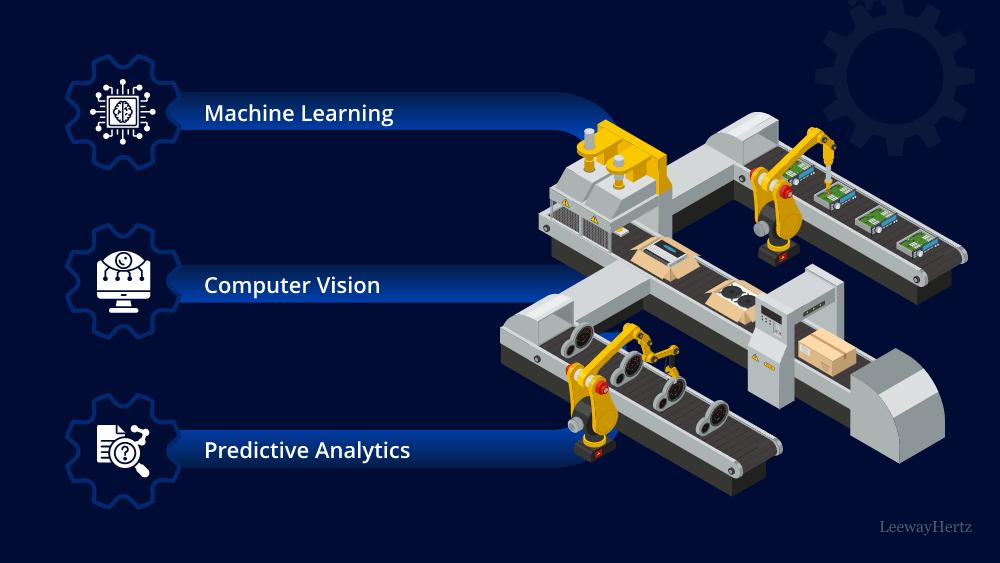
AI in production planning leverages machine learning algorithms, predictive analytics, and real-time data processing to optimize every stage of the manufacturing process. From demand forecasting to inventory management and resource allocation, AI ensures that production is aligned with market needs and operational capabilities.
Benefits of AI in Production Planning
- Enhanced Forecasting Accuracy
One of the most significant advantages of AI in production planning is its ability to improve forecasting accuracy. AI algorithms analyze vast amounts of historical data, market trends, and external factors to predict future demand with high precision. This helps manufacturers avoid overproduction or underproduction, leading to cost savings and improved customer satisfaction.
- Optimized Resource Utilization
AI enables better utilization of resources by identifying bottlenecks and inefficiencies in the production process. By analyzing real-time data from machines, inventory levels, and workforce availability, AI systems can suggest optimal production schedules. This not only reduces waste but also maximizes the use of available resources.
- Improved Supply Chain Management
AI in production planning extends beyond the factory floor. It plays a crucial role in supply chain management by predicting potential disruptions and suggesting alternative strategies. For example, if a supplier faces a delay, AI can recommend adjustments to the production schedule to mitigate the impact, ensuring smooth operations.
- Reduced Operational Costs
Through predictive maintenance and process optimization, AI helps in reducing operational costs. Predictive maintenance uses AI to monitor equipment health and predict failures before they occur, preventing costly downtime. Additionally, process optimization identifies areas where energy consumption can be reduced, further lowering costs.
Challenges of Implementing AI in Production Planning
While the benefits are substantial, implementing AI in production planning is not without challenges. Understanding these hurdles is crucial for a successful transition.
- Data Quality and Integration
AI systems rely heavily on data. For AI to be effective in production planning, high-quality, accurate, and integrated data is essential. Many manufacturers struggle with data silos and inconsistent data formats, which can hinder AI’s performance. Overcoming this requires a robust data management strategy and investment in data integration technologies.
- Cost of Implementation
Implementing AI solutions can be expensive, particularly for small and medium-sized enterprises (SMEs). The costs associated with AI infrastructure, software, and skilled personnel can be prohibitive. However, the long-term benefits often justify the initial investment, and there are increasing numbers of scalable AI solutions designed for SMEs.
- Skill Gaps
The shift towards AI in production planning demands new skill sets. There is a growing need for professionals who understand both manufacturing processes and AI technologies. Bridging this skill gap requires investment in training and development programs to equip the workforce with the necessary expertise.
- Cybersecurity Risks
With increased reliance on digital technologies, the risk of cyber-attacks also rises. AI systems, which are interconnected and rely on vast amounts of data, can become targets for cybercriminals. Ensuring robust cybersecurity measures is critical to protect sensitive production data and maintain operational integrity.
Future Outlook of AI in Production Planning
The future of AI in production planning looks promising. As technology continues to evolve, AI systems will become more sophisticated, offering even greater levels of automation and intelligence. Here are some trends to watch:
- Integration with IoT
The Internet of Things (IoT) is set to play a significant role in enhancing AI-driven production planning. IoT devices provide real-time data from machines, sensors, and other equipment, allowing AI systems to make more informed decisions. This integration will lead to smarter factories with self-optimizing capabilities.
- Adoption of Digital Twins
Digital twin technology, which creates a virtual replica of physical assets and processes, is gaining traction. When combined with AI, digital twins can simulate various production scenarios, predict outcomes, and suggest improvements. This will lead to more resilient and adaptive production planning.
- Greater Emphasis on Sustainability
Sustainability is becoming a key focus for manufacturers. AI can contribute significantly by optimizing production processes to reduce waste and energy consumption. AI-driven insights can also support the development of eco-friendly products and sustainable supply chain practices.
Conclusion
AI in production planning is revolutionizing the manufacturing industry. By enhancing forecasting accuracy, optimizing resource utilization, improving supply chain management, and reducing operational costs, AI is setting new standards for efficiency and productivity. Despite the challenges, the benefits far outweigh the hurdles, making AI an indispensable tool for modern production planning. As technology advances, the integration of AI in production planning will continue to drive innovation and growth in the manufacturing sector.
 Tech Business
Leave a comment