Introduction
The rise of artificial intelligence (AI) has revolutionized numerous industries, and regulatory compliance is no exception. AI agents in compliance are rapidly becoming essential tools for organizations aiming to navigate the complex and ever-changing landscape of regulations. This article explores how AI agents in compliance are reshaping the industry, making compliance more efficient, accurate, and cost-effective.
What are AI Agents in Compliance?
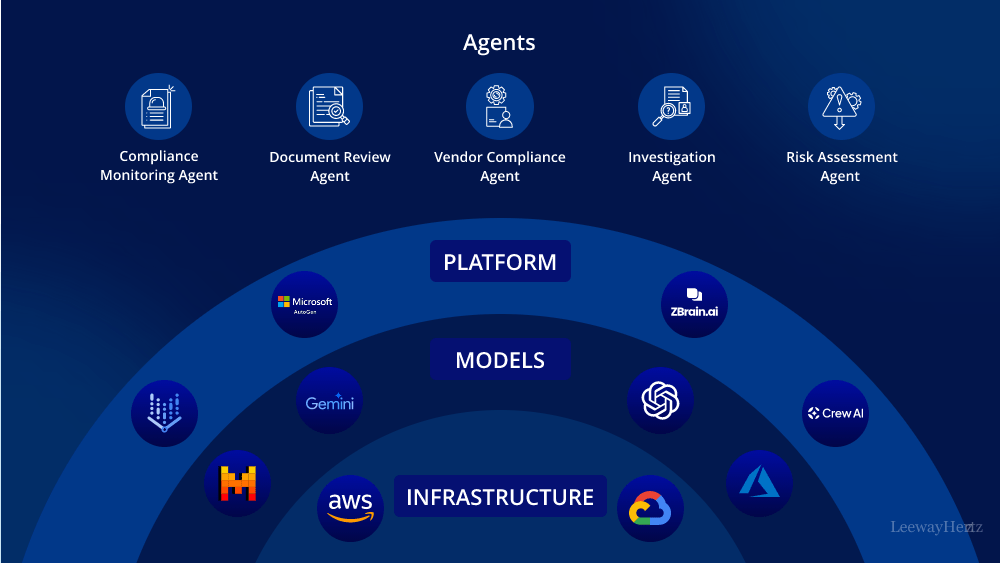
AI agents in compliance are intelligent systems designed to assist organizations in adhering to legal and regulatory requirements. These AI-powered tools can analyze vast amounts of data, identify potential compliance issues, and provide solutions in real-time. By leveraging machine learning algorithms and natural language processing, AI agents in compliance can understand and interpret regulatory texts, monitor compliance activities, and even predict future compliance challenges.
The Importance of Compliance in Today’s World
Regulatory compliance is crucial for organizations across various sectors, including finance, healthcare, and manufacturing. Non-compliance can result in hefty fines, legal repercussions, and damage to a company’s reputation. Traditional compliance methods, often involving manual processes, are time-consuming and prone to human error. AI agents in compliance address these challenges by automating routine tasks, ensuring accuracy, and allowing human experts to focus on more complex issues.
Key Benefits of AI Agents in Compliance
- Efficiency and Speed AI agents in compliance can process and analyze large volumes of data much faster than humans. This capability significantly reduces the time required to review regulatory documents, conduct audits, and monitor compliance activities. As a result, organizations can respond more swiftly to regulatory changes and avoid potential penalties.
- Accuracy and Precision Human errors in compliance can be costly. AI agents in compliance use advanced algorithms to ensure precision in interpreting regulations and applying them to organizational processes. This accuracy minimizes the risk of non-compliance and helps maintain a company’s integrity.
- Cost-Effectiveness Implementing AI agents in compliance can lead to substantial cost savings. By automating repetitive tasks, organizations can reduce the need for large compliance teams. Additionally, the speed and accuracy of AI agents help avoid costly fines and legal battles associated with non-compliance.
Applications of AI Agents in Compliance
- Regulatory Monitoring One of the primary functions of AI agents in compliance is continuous monitoring of regulatory changes. These agents can scan government websites, legal databases, and industry publications to detect updates in laws and regulations. This proactive approach ensures that organizations stay informed and can adapt their compliance strategies accordingly.
- Risk Assessment and Management AI agents in compliance can evaluate the risk levels associated with various business activities. By analyzing historical data and identifying patterns, these agents can predict potential compliance issues and recommend preventive measures. This risk-based approach allows organizations to allocate resources more effectively and prioritize high-risk areas.
- Audit Automation Conducting audits is a critical aspect of compliance. AI agents in compliance can automate the audit process by examining financial records, transaction logs, and operational procedures. They can identify discrepancies, generate audit reports, and highlight areas that require further investigation, streamlining the entire audit process.
Challenges and Considerations
While AI agents in compliance offer numerous benefits, their implementation is not without challenges. Organizations must consider data privacy and security issues, as these agents handle sensitive information. Additionally, the initial setup and integration of AI systems can be complex and require significant investment. Ensuring that AI agents are regularly updated and maintained to adapt to changing regulations is also essential.
The Future of AI Agents in Compliance
The future of AI agents in compliance looks promising. As technology continues to advance, these agents will become even more sophisticated and capable. We can expect AI agents to incorporate advanced predictive analytics, enabling them to foresee compliance challenges with greater accuracy. Furthermore, the integration of AI with blockchain technology could enhance transparency and traceability in compliance processes, providing an additional layer of security and trust.
Conclusion
AI agents in compliance are transforming the way organizations approach regulatory adherence. By offering increased efficiency, accuracy, and cost-effectiveness, these intelligent systems are helping businesses navigate the complex regulatory landscape with confidence. As technology evolves, the role of AI agents in compliance will undoubtedly expand, paving the way for a more streamlined and proactive approach to regulatory compliance. Embracing AI agents in compliance is not just a technological upgrade; it is a strategic move towards a more secure and compliant future.
 Tech Business
Leave a comment