In recent years, AI in banking and finance has transformed how financial institutions operate and interact with customers. From enhancing security to personalizing services, artificial intelligence is reshaping the landscape of the industry. This article explores the significant ways AI in banking and finance is making waves and the future it promises.
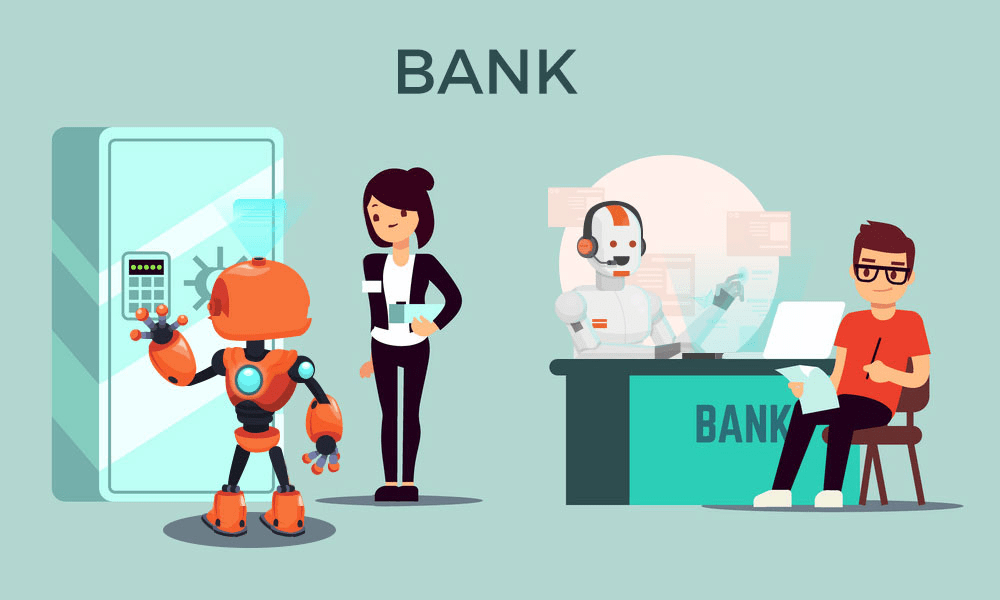
The Rise of AI in Banking and Finance
Artificial Intelligence (AI) refers to systems that mimic human intelligence to perform tasks and improve over time through experience. In banking and finance, AI technologies include machine learning, natural language processing, and robotics. These technologies are becoming integral to modern financial operations, offering unprecedented efficiency and accuracy.
Enhancing Customer Experience
One of the most significant benefits of AI in banking and finance is the enhancement of customer experience. AI-driven chatbots and virtual assistants are available 24/7, providing customers with immediate support. These tools handle routine inquiries, process transactions, and offer personalized recommendations based on individual preferences and behaviors.
For example, AI chatbots can help customers check their account balance, transfer funds, and even provide financial advice. This not only saves time but also reduces the workload on human staff, allowing them to focus on more complex tasks.
Improving Fraud Detection and Security
Security is a top priority in banking and finance, and AI plays a crucial role in protecting sensitive information. AI algorithms analyze vast amounts of transaction data to identify unusual patterns and detect potential fraud. Machine learning models continuously learn from new data, improving their ability to spot fraudulent activities in real-time.
For instance, if a bank notices a transaction from an unusual location or a large sum that deviates from a customer’s typical spending pattern, AI systems can flag it for further investigation. This proactive approach helps prevent financial losses and enhances overall security.
Streamlining Operations and Reducing Costs
Operational efficiency is another area where AI in banking and finance proves invaluable. AI systems can automate repetitive tasks such as data entry, compliance checks, and report generation. This automation reduces the need for manual intervention, minimizes errors, and speeds up processes.
By implementing AI, banks and financial institutions can streamline operations, reduce overhead costs, and allocate resources more effectively. For example, AI can handle the bulk of loan processing and approval tasks, allowing human agents to focus on more strategic activities.
Personalized Financial Services
Personalization is a key trend driven by AI in banking and finance. AI algorithms analyze customer data to tailor financial products and services to individual needs. This could involve offering customized investment advice, personalized loan options, or tailored savings plans based on a customer’s financial behavior and goals.
Financial institutions can use AI to create highly targeted marketing campaigns and product recommendations, leading to improved customer satisfaction and increased sales. This level of personalization enhances customer loyalty and helps financial institutions stay competitive.
Risk Management and Decision Making
Effective risk management is essential for financial institutions, and AI plays a significant role in this area. AI algorithms can assess various risk factors and predict potential issues before they arise. For instance, AI can analyze market trends, economic indicators, and customer behavior to forecast financial risks and make informed investment decisions.
Additionally, AI helps in regulatory compliance by automatically monitoring and reporting on adherence to financial regulations. This reduces the risk of non-compliance and potential legal issues, ensuring that financial institutions operate within the bounds of the law.
Future Prospects of AI in Banking and Finance
The future of AI in banking and finance looks promising, with ongoing advancements expected to bring even more innovations. As AI technology continues to evolve, financial institutions will likely adopt more sophisticated tools and techniques to further enhance their operations.
Emerging trends include the integration of AI with blockchain technology for secure and transparent transactions, as well as the use of AI for advanced predictive analytics in trading and investment. The combination of AI with other technologies promises to drive significant changes in the financial sector.
Challenges and Considerations
While the benefits of AI in banking and finance are substantial, there are also challenges to consider. Data privacy and security are major concerns, as AI systems rely on vast amounts of personal and financial information. Ensuring that AI systems are transparent and accountable is crucial to maintaining trust and compliance with regulations.
Moreover, the implementation of AI requires significant investment and expertise. Financial institutions must carefully evaluate their AI strategies and ensure they have the necessary infrastructure and skills to support these technologies.
Conclusion
AI is revolutionizing banking and finance by enhancing customer experiences, improving security, streamlining operations, and personalizing services. As financial institutions continue to embrace AI, they will unlock new opportunities and drive innovation in the industry. However, it is essential to address the challenges and ensure that AI is implemented responsibly to fully realize its potential.
The integration of AI into banking and finance represents a transformative shift, paving the way for a more efficient, secure, and personalized financial landscape.
 Tech Business
Leave a comment