Introduction
In today’s fast-paced business environment, managing inventory effectively is crucial to maintaining a competitive edge. The rise of technology has brought about significant changes in how businesses operate, and one of the most transformative developments is the use of AI in inventory management. This technology not only simplifies the complex process of managing stock but also enhances accuracy, reduces costs, and improves overall efficiency. In this article, we’ll explore how AI is revolutionizing inventory management, the benefits it brings, and how businesses can leverage this technology to stay ahead.
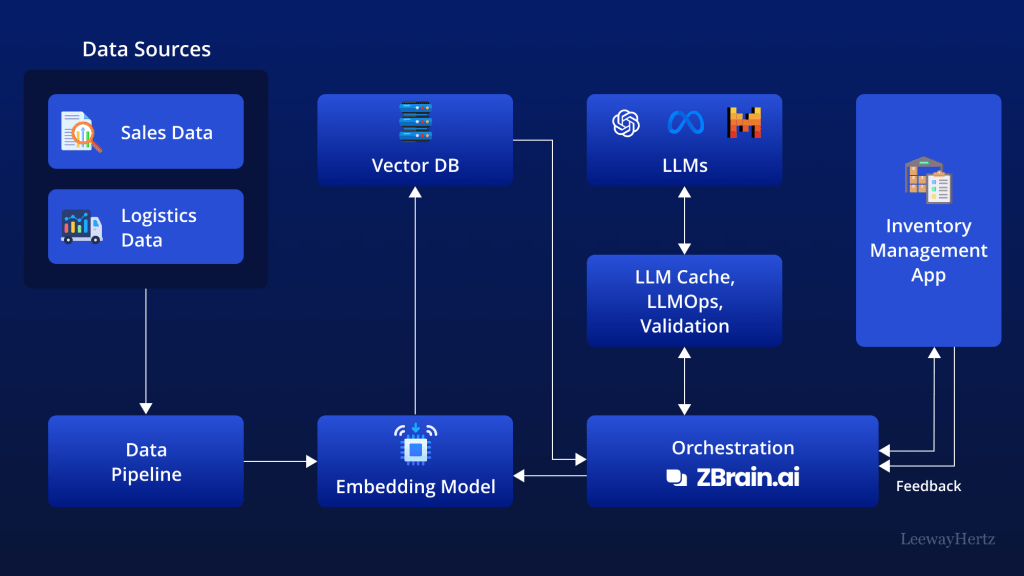
1. The Role of AI in Inventory Management
Artificial Intelligence (AI) has made significant strides in various industries, and inventory management is no exception. The integration of AI in inventory management systems allows businesses to automate and optimize various aspects of their inventory processes. AI algorithms can analyze vast amounts of data, identify patterns, and make predictions with remarkable accuracy. This capability is particularly beneficial in forecasting demand, managing stock levels, and minimizing the risk of overstocking or understocking.
2. Accurate Demand Forecasting
One of the primary challenges in inventory management is predicting future demand. Traditional methods of demand forecasting often rely on historical data and can be prone to errors. However, with AI in inventory management, businesses can achieve more accurate demand forecasts. AI algorithms can analyze not only historical sales data but also external factors such as market trends, seasonal variations, and even social media sentiment. This comprehensive analysis enables businesses to anticipate demand more accurately and adjust their inventory levels accordingly.
3. Optimizing Stock Levels
Maintaining the right amount of stock is crucial for businesses. Overstocking ties up capital and storage space, while understocking can lead to lost sales and dissatisfied customers. AI in inventory management helps businesses strike the perfect balance by optimizing stock levels. AI systems continuously monitor inventory levels, sales trends, and lead times to ensure that the right amount of stock is available at all times. By reducing excess inventory and avoiding stockouts, businesses can improve their cash flow and customer satisfaction.
4. Reducing Costs and Improving Efficiency
Implementing AI in inventory management can lead to significant cost savings. By automating routine tasks such as stock monitoring, order processing, and replenishment, businesses can reduce labor costs and minimize human errors. Additionally, AI-driven systems can identify inefficiencies in the supply chain, such as slow-moving inventory or bottlenecks in the distribution process. Addressing these issues can lead to faster order fulfillment, reduced holding costs, and overall improved operational efficiency.
5. Real-Time Inventory Tracking
Another significant advantage of AI in inventory management is the ability to track inventory in real-time. Traditional inventory tracking methods often involve manual processes that can be time-consuming and prone to errors. AI-powered systems, on the other hand, use advanced technologies such as RFID (Radio-Frequency Identification) and IoT (Internet of Things) to monitor inventory levels in real-time. This real-time visibility allows businesses to respond quickly to changes in demand, avoid stockouts, and make informed decisions about inventory management.
6. Enhancing Supplier Relationships
Effective inventory management is not just about managing stock within the warehouse; it also involves managing relationships with suppliers. AI in inventory management can enhance supplier collaboration by providing accurate data and insights. AI systems can analyze supplier performance, lead times, and delivery schedules to identify potential issues and suggest improvements. This data-driven approach enables businesses to build stronger relationships with suppliers, negotiate better terms, and ensure timely deliveries.
7. Scalability and Flexibility
As businesses grow, so do their inventory management needs. Traditional inventory management systems can struggle to keep up with increased complexity and scale. However, AI in inventory management offers scalability and flexibility. AI-driven systems can easily adapt to changes in business size, product range, and market conditions. Whether a business is expanding into new markets or introducing new products, AI can help manage the increased complexity with ease.
8. The Future of AI in Inventory Management
The future of AI in inventory management looks promising, with continued advancements in technology expected to bring even more benefits. As AI algorithms become more sophisticated, businesses can expect even greater accuracy in demand forecasting, stock optimization, and supply chain management. Additionally, the integration of AI with other emerging technologies such as blockchain and robotics could further revolutionize inventory management.
For example, AI-powered robots could automate warehouse operations, while blockchain technology could provide a transparent and secure record of inventory transactions. These innovations could lead to even greater efficiency, cost savings, and competitive advantage for businesses that embrace AI in their inventory management processes.
Conclusion
The adoption of AI in inventory management is no longer a luxury but a necessity for businesses that want to stay competitive in today’s dynamic market. From accurate demand forecasting to real-time inventory tracking, AI offers numerous benefits that can transform how businesses manage their inventory. By leveraging AI, businesses can reduce costs, improve efficiency, and enhance customer satisfaction, all while staying ahead of the competition. As technology continues to evolve, the role of AI in inventory management will only become more critical, making it an essential tool for businesses of all sizes.
 Tech Business
Leave a comment