Introduction: The Rise of AI in Automotive
Artificial Intelligence (AI) is rapidly transforming the automotive industry, ushering in a new era of innovation and efficiency. From enhancing vehicle safety to streamlining manufacturing processes, AI in automotive applications is reshaping how we drive, maintain, and manufacture vehicles. This article explores how AI in automotive technology is making waves and what the future might hold for this exciting field.
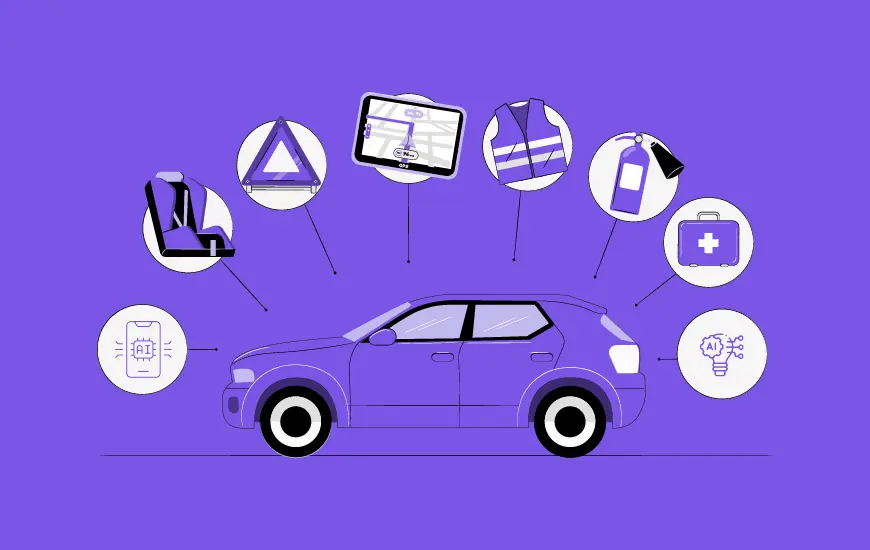
Enhanced Safety Features Through AI
One of the most significant impacts of AI in automotive technology is the advancement in vehicle safety systems. AI-powered features such as automatic emergency braking, adaptive cruise control, and lane-keeping assistance are now common in many modern vehicles. These systems use AI algorithms to analyze data from sensors and cameras, allowing vehicles to respond to potential hazards in real-time.
For instance, AI in automotive systems can detect pedestrians, cyclists, and other vehicles, adjusting speed or steering to avoid collisions. This level of safety is not just about convenience; it’s about protecting lives and reducing accident rates. As AI technology continues to evolve, we can expect even more sophisticated safety features to become standard in cars.
AI in Automotive Manufacturing: Efficiency and Precision
The application of AI in automotive manufacturing is also transforming the industry. AI-driven robots and automation systems are improving production efficiency, precision, and quality control. In assembly lines, AI-powered robots perform repetitive tasks with high accuracy, reducing the risk of human error and speeding up production processes.
AI in automotive manufacturing also extends to predictive maintenance. By analyzing data from machinery and equipment, AI can predict when a part might fail or require maintenance. This proactive approach helps prevent unexpected downtimes and reduces overall maintenance costs, leading to more efficient manufacturing operations.
Autonomous Vehicles: The Future of AI in Automotive
Perhaps the most talked-about application of AI in automotive technology is the development of autonomous vehicles. Self-driving cars rely on a combination of AI, machine learning, and advanced sensors to navigate roads and make driving decisions without human intervention. Companies like Tesla, Waymo, and others are at the forefront of this technology, continually refining AI algorithms to improve the safety and reliability of autonomous driving systems.
AI in automotive systems for autonomous vehicles involves processing vast amounts of data from cameras, radar, and lidar sensors. This data helps the vehicle understand its environment, make real-time decisions, and safely navigate through complex traffic situations. While fully autonomous vehicles are still in development, AI is already playing a crucial role in advancing driver-assistance features that pave the way for future self-driving cars.
Personalized In-Car Experiences with AI
AI in automotive technology is also enhancing the in-car experience by providing personalized features. Modern vehicles are equipped with AI-powered infotainment systems that learn from driver preferences and behaviors. These systems can recommend routes, play personalized music, and adjust climate controls based on individual preferences.
Voice recognition technology is another area where AI is making a difference. Drivers can interact with their vehicle’s infotainment system using natural language commands, making it easier to control navigation, entertainment, and communication features while keeping their hands on the wheel and eyes on the road.
AI in Automotive: Challenges and Considerations
Despite the many benefits of AI in automotive applications, there are also challenges and considerations to address. One major concern is data privacy and security. As vehicles become more connected and data-driven, protecting sensitive information from cyber threats becomes increasingly important. Manufacturers and technology providers must implement robust security measures to safeguard user data and ensure safe interactions with AI systems.
Another challenge is ensuring that AI systems are reliable and accurate. For example, in autonomous vehicles, AI algorithms must be able to handle a wide range of driving conditions and scenarios. Rigorous testing and validation are essential to ensure that these systems perform safely and effectively in real-world situations.
The Future of AI in Automotive
Looking ahead, the role of AI in automotive technology is expected to grow even more prominent. As AI algorithms become more advanced and computational power increases, we can anticipate even greater innovations in vehicle safety, manufacturing efficiency, and personalized driving experiences.
The integration of AI with other emerging technologies, such as 5G connectivity and the Internet of Things (IoT), will further enhance the capabilities of automotive systems. For instance, AI-driven vehicles will be able to communicate with other connected devices on the road, creating a more coordinated and safer driving environment.
Conclusion: Embracing the AI Revolution in Automotive
AI in automotive technology is revolutionizing the industry by enhancing safety, improving manufacturing processes, and paving the way for autonomous driving. As we continue to explore the possibilities of AI, it is clear that this technology will play a crucial role in shaping the future of transportation. Embracing AI innovations will not only lead to safer and more efficient vehicles but also transform the way we experience and interact with our cars.
In summary, AI in automotive is not just a trend but a fundamental shift that is driving the industry forward. Whether it’s through advanced safety features, efficient manufacturing, or personalized experiences, the impact of AI in automotive technology is profound and far-reaching. As we look to the future, it’s exciting to consider the possibilities that AI will bring to the world of automobiles.
 Tech Business
Leave a comment