In recent years, Conversational AI has transformed the way businesses and individuals interact with technology. This advancement in artificial intelligence allows machines to communicate with humans in natural language, making interactions more seamless, efficient, and accessible. From customer support to personal assistants, the use of Conversational AI is becoming increasingly prevalent. In this article, we will explore the use cases, types, and solutions related to Conversational AI.
What is Conversational AI?
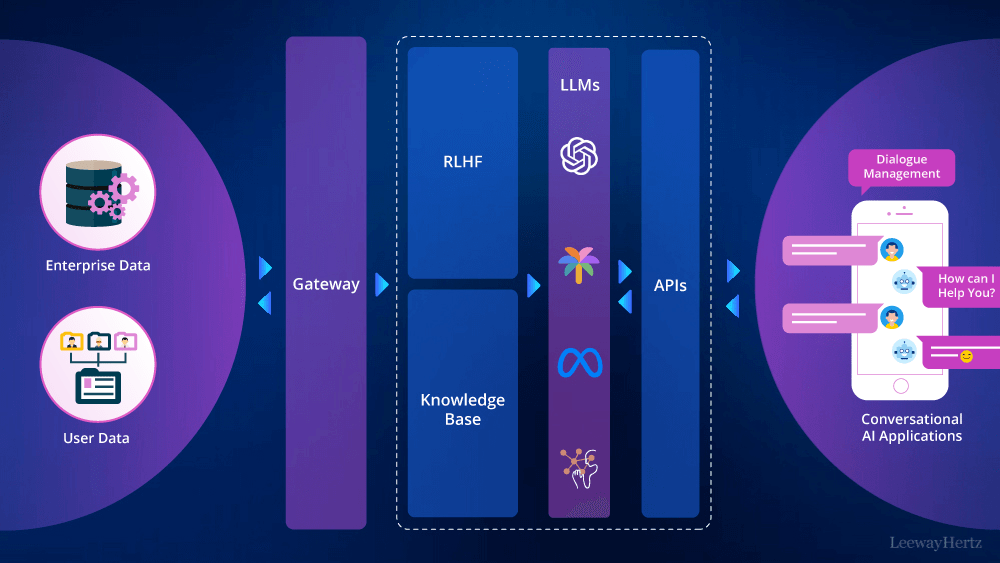
Conversational AI refers to the set of technologies that enable computers to simulate and engage in conversation with human users. It combines natural language processing (NLP), machine learning, and advanced dialogue management to understand, process, and respond to human language. Unlike traditional chatbots, which follow scripted responses, Conversational AI can understand context, learn from interactions, and provide personalized responses.
Types of Conversational AI
There are several types of Conversational AI systems, each designed to serve different purposes. These include:
1. Rule-Based Chatbots
Rule-based chatbots are the simplest form of Conversational AI. They operate on a predefined set of rules and scripts, responding to specific keywords or phrases. While limited in capability, they are effective for handling basic queries and guiding users through structured processes.
2. AI-Powered Chatbots
AI-powered chatbots utilize machine learning and NLP to understand and respond to user inputs more dynamically. Unlike rule-based systems, they can learn from past interactions, adapt to user preferences, and handle more complex queries. These chatbots are commonly used in customer service to provide personalized assistance and resolve issues without human intervention.
3. Virtual Assistants
Virtual assistants like Siri, Alexa, and Google Assistant represent a more advanced form of Conversational AI. They can perform tasks beyond simple conversations, such as setting reminders, controlling smart home devices, and answering a wide range of questions. Virtual assistants are increasingly integrated into smartphones, smart speakers, and other connected devices, making them a ubiquitous presence in many households.
4. Voice Assistants
Voice assistants are a specific type of virtual assistant that primarily operates through voice commands. These systems use speech recognition to interpret spoken language and respond accordingly. With the rise of smart speakers and voice-activated devices, voice assistants have become an essential part of the Conversational AI landscape.
Use Cases of Conversational AI
Conversational AI has a wide range of applications across various industries. Some of the most common use cases include:
1. Customer Support
One of the most prominent use cases for Conversational AI is customer support. Businesses use AI-powered chatbots to handle customer inquiries, resolve issues, and provide assistance 24/7. This not only improves customer satisfaction but also reduces the workload on human support agents.
2. E-Commerce
In the e-commerce sector, Conversational AI plays a crucial role in enhancing the shopping experience. AI chatbots can guide customers through product selection, answer questions, provide recommendations, and even assist with checkout. By offering personalized support, businesses can increase conversion rates and boost customer loyalty.
3. Healthcare
Conversational AI is making significant strides in the healthcare industry. AI-driven virtual assistants can provide medical advice, schedule appointments, and remind patients to take their medication. These applications improve patient engagement and ensure timely care.
4. Banking and Finance
In the banking and finance sector, Conversational AI is used to streamline customer interactions. Chatbots can assist with account inquiries, transaction history, and even provide financial advice. This technology also helps in fraud detection by monitoring suspicious activities and alerting users.
5. Human Resources
Conversational AI is increasingly being used in HR to automate repetitive tasks such as answering employee queries, scheduling interviews, and onboarding new hires. This allows HR teams to focus on more strategic activities while ensuring that employees receive timely support.
Solutions for Implementing Conversational AI
Implementing Conversational AI requires a well-thought-out approach. Businesses need to choose the right solution based on their specific needs and objectives. Here are some key considerations:
1. Selecting the Right Platform
There are numerous platforms available for developing Conversational AI applications. Businesses must choose a platform that aligns with their technical capabilities, budget, and desired features. Popular platforms include Microsoft Bot Framework, Google Dialogflow, and Amazon Lex.
2. Integration with Existing Systems
For Conversational AI to be effective, it must be seamlessly integrated with existing systems such as CRM, ERP, and customer support tools. This integration ensures that the AI has access to relevant data and can provide accurate, context-aware responses.
3. Data Security and Privacy
Given the sensitive nature of the data handled by Conversational AI, businesses must prioritize data security and privacy. Implementing robust security measures, such as encryption and access controls, is essential to protect user information and maintain trust.
4. Continuous Learning and Improvement
Conversational AI systems must be continuously monitored and updated to improve performance. By analyzing user interactions, businesses can identify areas for improvement and refine the AI’s capabilities over time. This ensures that the system remains relevant and effective in meeting user needs.
Conclusion
Conversational AI is revolutionizing the way we interact with technology, offering endless possibilities across various industries. From enhancing customer support to driving e-commerce, the use cases for Conversational AI are diverse and growing. By understanding the different types of Conversational AI and carefully selecting the right solutions, businesses can harness this technology to improve efficiency, enhance customer experiences, and gain a competitive edge in the market.
 Tech Business
Leave a comment