Composite AI is an emerging technology trend that combines multiple artificial intelligence (AI) techniques to create more powerful and effective solutions. By integrating different AI models, methods, and data sources, Composite AI enhances the capabilities of traditional AI, enabling it to tackle complex problems more effectively. In this article, we will explore the benefits of Composite AI, its diverse applications, implementation strategies, and best practices for leveraging this innovative approach.
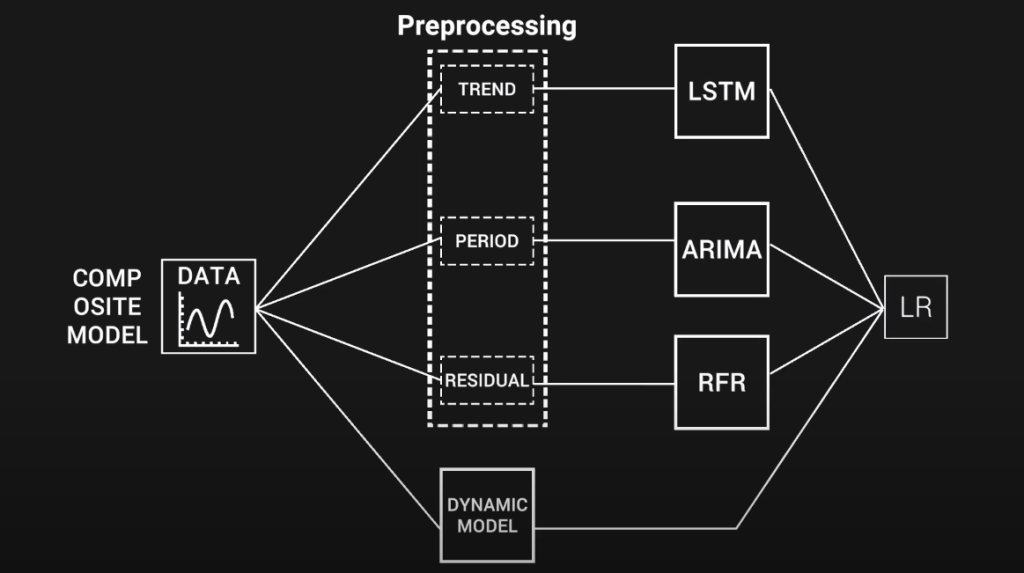
What is Composite AI?
Composite AI is a strategy that combines various AI techniques, such as machine learning, natural language processing, computer vision, and robotics, to create a more robust and comprehensive AI solution. Instead of relying on a single AI model, Composite AI uses multiple models that complement each other, leading to improved accuracy, adaptability, and performance. This approach allows businesses to address multifaceted problems that are difficult to solve with standalone AI technologies.
Benefits of Composite AI
1. Enhanced Performance and Accuracy:
Composite AI integrates different AI models to achieve better accuracy and performance than traditional, single-model AI systems. By combining strengths and compensating for weaknesses, Composite AI ensures more reliable outcomes, reducing errors and enhancing decision-making processes.
2. Greater Flexibility and Adaptability:
Composite AI can be adapted to various use cases due to its modular approach. This flexibility allows organizations to quickly modify AI systems to suit changing needs or new data inputs, making them highly adaptable in dynamic environments.
3. Improved Problem-Solving Capabilities:
Complex problems often require a multifaceted approach. Composite AI’s ability to integrate various AI techniques helps tackle intricate challenges, such as processing unstructured data, understanding human language, or making predictive analyses based on a combination of factors.
4. Scalability for Large-Scale Applications:
Composite AI is inherently scalable, making it ideal for large-scale applications across industries. Its modular nature allows easy integration of new models or data sources, ensuring the AI system can grow and evolve with the organization’s needs.
5. Cost Efficiency and Resource Optimization:
By leveraging existing AI models and integrating them efficiently, Composite AI can reduce the need for developing entirely new AI solutions from scratch. This approach saves time and resources, ultimately lowering costs and speeding up implementation.
Applications of Composite AI
1. Healthcare and Diagnostics:
In healthcare, Composite AI can combine image recognition models, predictive analytics, and natural language processing to diagnose diseases, predict patient outcomes, and recommend personalized treatment plans. This multi-faceted approach helps improve patient care and optimize medical resources.
2. Finance and Risk Management:
Composite AI is widely used in finance to detect fraud, manage risk, and automate decision-making processes. By integrating predictive analytics, pattern recognition, and anomaly detection, Composite AI can provide more accurate risk assessments and fraud detection systems.
3. Retail and Customer Experience:
In the retail industry, Composite AI enhances customer experience by combining recommendation engines, sentiment analysis, and chatbots. This enables retailers to offer personalized shopping experiences, optimize inventory management, and improve customer satisfaction.
4. Manufacturing and Supply Chain Optimization:
Composite AI can improve manufacturing processes by integrating AI models that monitor equipment performance, predict maintenance needs, and optimize supply chains. This results in reduced downtime, cost savings, and enhanced productivity.
5. Smart Cities and Public Safety:
Composite AI plays a critical role in developing smart cities by combining AI techniques for traffic management, crime prediction, and resource allocation. This leads to more efficient urban planning and improved public safety measures.
Implementation Strategies for Composite AI
1. Identify Key Use Cases:
Begin by identifying the specific problems Composite AI can solve within your organization. Focus on areas where multiple AI techniques can complement each other to deliver better results.
2. Select the Right AI Models:
Choose AI models that work well together and align with your use case requirements. It’s essential to select models that can seamlessly integrate, such as combining machine learning algorithms with natural language processing.
3. Develop a Modular Architecture:
Design a modular AI architecture that allows easy integration of different AI models. A modular approach ensures that each component can be updated or replaced independently, enhancing flexibility and scalability.
4. Leverage Data Integration:
Composite AI thrives on data diversity. Integrate data from various sources to enrich AI models, improving their overall performance. Ensure that data quality and consistency are maintained for optimal results.
5. Test and Iterate:
Continuously test and iterate your Composite AI solutions to refine their performance. Use real-world data to validate models, adjust algorithms, and fine-tune the AI system to ensure it meets the desired outcomes.
Best Practices for Implementing Composite AI
1. Prioritize Data Quality and Security:
High-quality, secure data is the backbone of Composite AI. Ensure that data is clean, well-organized, and protected to maximize the effectiveness of your AI solutions.
2. Focus on Explainability and Transparency:
Composite AI solutions should be transparent and easy to understand. Use explainable AI models that provide insights into how decisions are made, which is particularly important in regulated industries.
3. Ensure Continuous Learning:
Implement feedback loops to enable your AI models to learn and adapt over time. This continuous learning process helps keep your AI system updated with the latest information and trends.
4. Collaborate with AI Experts:
Work with AI experts to design, implement, and maintain your Composite AI solutions. Their expertise will help you navigate the complexities of combining multiple AI techniques effectively.
5. Monitor Performance Regularly:
Regular monitoring of Composite AI systems is crucial to ensure they continue to perform optimally. Set up performance metrics and conduct regular reviews to identify areas for improvement.
Conclusion
Composite AI is transforming how businesses leverage artificial intelligence by combining multiple AI techniques into a unified approach. Its ability to enhance accuracy, adaptability, and scalability makes it an invaluable tool across various industries. By implementing the right strategies and adhering to best practices, organizations can harness the full potential of Composite AI to drive innovation, optimize operations, and solve complex challenges.
 Tech Business
Leave a comment