Introduction
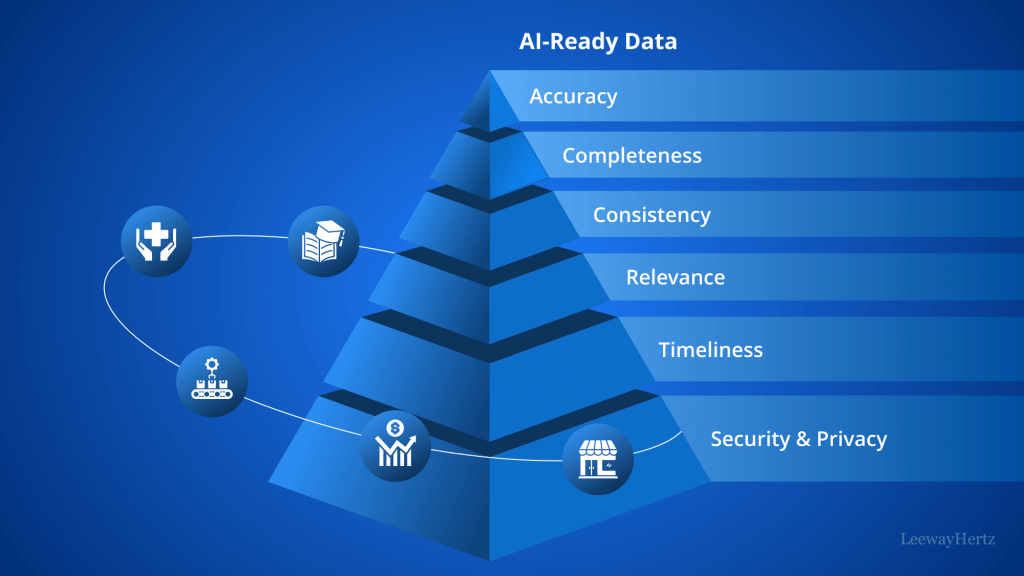
In the realm of artificial intelligence (AI), the term “AI-ready data” is pivotal. It refers to data that is structured and prepared in such a way that it can be efficiently utilized by AI algorithms to generate valuable insights and drive intelligent decision-making. However, achieving AI-ready data involves overcoming several challenges. This article delves into the roadblocks, best practices, benefits, applications, tools, and future trends associated with AI-ready data, providing a comprehensive guide for businesses and professionals eager to harness its potential.
Roadblocks to AI-Ready Data
- Data Quality Issues
One of the primary roadblocks in achieving AI-ready data is poor data quality. Inaccurate, incomplete, or outdated data can severely hinder AI model performance. Ensuring data accuracy and consistency is crucial for effective AI implementation. - Data Silos
Data silos occur when data is isolated within different departments or systems. This fragmentation makes it difficult to aggregate and analyze data comprehensively, preventing it from being AI-ready. - Lack of Standardization
Without standardized formats and definitions, data integration becomes complex. Standardization is essential for creating uniform datasets that AI systems can process efficiently. - Privacy and Security Concerns
AI-ready data often involves handling sensitive information. Ensuring data privacy and security while preparing data for AI applications is a significant challenge, necessitating robust measures and compliance with regulations.
Best Practices for Preparing AI-Ready Data
- Data Cleaning and Validation
To make data AI-ready, start with thorough data cleaning and validation. Remove duplicates, correct errors, and validate data against predefined standards to ensure its quality. - Integrate and Centralize Data
Break down data silos by integrating and centralizing data from various sources. This approach helps in creating a unified dataset that is more accessible and useful for AI applications. - Implement Data Standardization
Develop and enforce data standards and formats across your organization. Consistent data structures facilitate easier integration and processing by AI systems. - Focus on Data Privacy
Ensure compliance with data privacy regulations such as GDPR and CCPA. Implement encryption and anonymization techniques to safeguard sensitive information. - Regular Data Maintenance
Continuously update and maintain your data to ensure it remains relevant and accurate. Regular audits and updates are necessary to keep data AI-ready.
Benefits of AI-Ready Data
- Enhanced Decision-Making
AI-ready data enables more accurate and insightful decision-making. With high-quality, well-organized data, AI algorithms can generate reliable predictions and recommendations. - Increased Efficiency
By automating data processing and analysis, AI-ready data improves operational efficiency. It reduces the time and resources needed for manual data handling. - Better Customer Insights
AI-ready data provides deeper insights into customer behavior and preferences, allowing businesses to tailor their strategies and improve customer experiences. - Competitive Advantage
Companies with AI-ready data are better positioned to leverage AI technologies, gaining a competitive edge in their industry through innovative solutions and optimized operations.
Applications of AI-Ready Data
- Predictive Analytics
AI-ready data fuels predictive analytics, helping businesses forecast trends, customer behaviors, and market conditions with greater accuracy. - Personalization
In e-commerce and marketing, AI-ready data enables personalized recommendations and targeted advertising, enhancing user engagement and satisfaction. - Fraud Detection
Financial institutions use AI-ready data to detect fraudulent activities by analyzing patterns and anomalies in transaction data. - Healthcare
In healthcare, AI-ready data supports diagnostics, treatment planning, and personalized medicine by providing comprehensive and accurate patient information.
Tools and Technologies for Managing AI-Ready Data
- Data Management Platforms
Tools like Apache Hadoop and Apache Spark facilitate the storage, processing, and analysis of large datasets, making them AI-ready. - Data Integration Tools
Solutions such as Talend and Informatica help integrate data from various sources, ensuring a unified and accessible dataset. - Data Quality Tools
Tools like Trifacta and Talend Data Quality focus on cleaning and validating data to meet the standards required for AI readiness. - Data Privacy Solutions
Technologies such as data encryption and anonymization tools ensure that sensitive data is protected while preparing it for AI applications.
Future Trends in AI-Ready Data
- Increased Automation
Automation in data preparation and management is expected to grow, making it easier to achieve AI-ready data and reducing manual intervention. - Enhanced Data Privacy Techniques
Advances in privacy-preserving technologies, such as federated learning and differential privacy, will address growing concerns about data security and compliance. - Integration of AI in Data Management
AI itself will play a more significant role in data management, with AI-driven tools assisting in data cleaning, integration, and analysis. - Growth in Real-Time Data Processing
The demand for real-time data processing will increase, requiring more sophisticated technologies and methods to ensure data is AI-ready and actionable in real-time.
Conclusion
Achieving AI-ready data is a complex but essential goal for organizations looking to leverage AI technologies effectively. By addressing roadblocks, following best practices, and utilizing the right tools, businesses can unlock the full potential of their data. Staying informed about future trends will further enhance their ability to remain competitive and innovative in an AI-driven world.
 Tech Business
Leave a comment