Introduction: Understanding AI in Procurement
Artificial Intelligence (AI) is revolutionizing numerous industries, and procurement is no exception. The integration of AI in procurement is reshaping how organizations manage their supply chains, negotiate with vendors, and streamline their processes. By leveraging AI technologies, businesses can enhance efficiency, reduce costs, and make more informed decisions. This article delves into the impact of AI in procurement, highlighting its benefits, applications, and the future potential of this transformative technology.
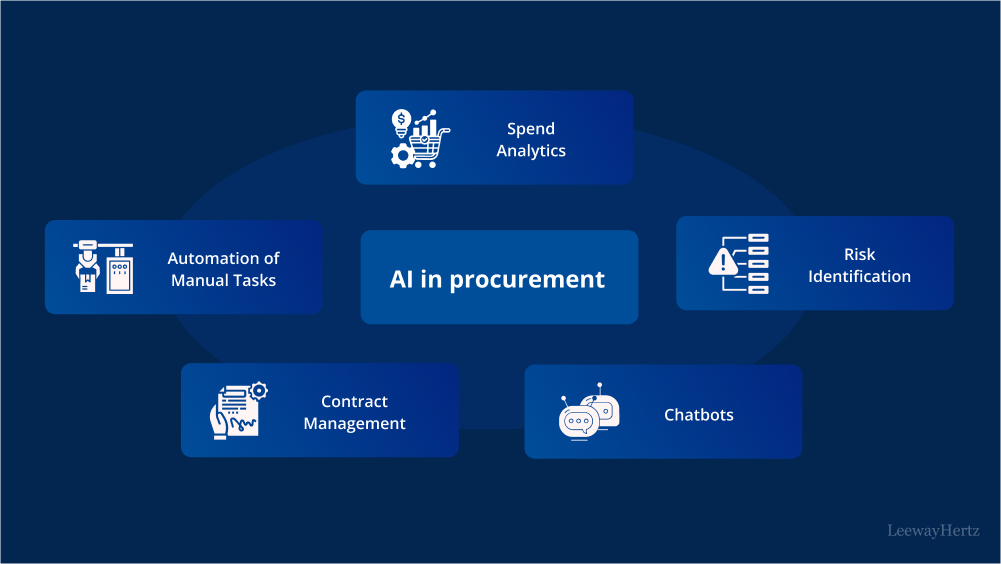
1. Enhancing Efficiency with AI in Procurement
One of the most significant advantages of AI in procurement is its ability to boost operational efficiency. Traditional procurement processes often involve manual tasks, such as data entry, invoice processing, and supplier management, which can be time-consuming and prone to errors. AI in procurement automates these routine tasks, freeing up procurement professionals to focus on more strategic activities.
For example, AI-driven software can automatically process purchase orders, match invoices with orders, and manage approvals, significantly reducing the time spent on administrative tasks. Additionally, AI algorithms can analyze historical data to forecast demand, optimize inventory levels, and identify potential supply chain disruptions before they occur. By automating and streamlining these processes, AI helps organizations achieve faster turnaround times and minimize operational bottlenecks.
2. Data-Driven Decision Making
AI in procurement also enhances decision-making by providing valuable insights through data analysis. Traditional procurement methods rely on historical data and intuition, but AI enables organizations to harness the power of big data and advanced analytics. AI algorithms can process vast amounts of data from various sources, including market trends, supplier performance, and economic indicators, to generate actionable insights.
With AI-powered analytics, procurement teams can make more informed decisions about supplier selection, contract negotiations, and risk management. For instance, AI can identify patterns in supplier performance data, such as delivery delays or quality issues, allowing procurement professionals to address these problems proactively. Additionally, AI-driven market analysis can help organizations identify emerging trends and adjust their procurement strategies accordingly.
3. Improved Supplier Management
Effective supplier management is crucial for successful procurement, and AI plays a vital role in enhancing this aspect of the process. AI in procurement enables organizations to assess and monitor supplier performance more effectively. AI-powered tools can evaluate suppliers based on various criteria, such as price, quality, delivery performance, and compliance with contractual terms.
By analyzing supplier data and performance metrics, AI can provide insights into supplier reliability and potential risks. This allows procurement teams to make more informed decisions when selecting suppliers and negotiating contracts. Furthermore, AI can help organizations build stronger relationships with their suppliers by identifying opportunities for collaboration and improving communication.
4. Cost Reduction and Savings
Cost reduction is a primary objective of procurement, and AI can significantly contribute to achieving this goal. AI in procurement helps organizations identify cost-saving opportunities by analyzing spending patterns, supplier pricing, and contract terms. AI algorithms can uncover hidden savings, such as discounts for bulk purchases or alternative suppliers with more competitive pricing.
Additionally, AI can optimize procurement processes to reduce costs associated with procurement activities. For example, AI-powered tools can automate the sourcing process, enabling organizations to quickly identify and evaluate potential suppliers based on predefined criteria. This can lead to more competitive pricing and better contract terms, ultimately resulting in cost savings for the organization.
5. The Future of AI in Procurement
The future of AI in procurement holds exciting possibilities as technology continues to evolve. Emerging trends, such as machine learning and natural language processing, are expected to further enhance the capabilities of AI in procurement. Machine learning algorithms will enable AI systems to learn from historical data and improve their predictive accuracy, while natural language processing will enhance the ability of AI to understand and process unstructured data, such as contract documents and supplier communications.
As AI technology advances, we can anticipate even more sophisticated applications in procurement, including advanced risk management, dynamic pricing models, and enhanced supplier collaboration platforms. Organizations that embrace AI in procurement will be well-positioned to stay competitive and adapt to the changing landscape of global supply chains.
Conclusion: Embracing AI for a Competitive Edge
Incorporating AI in procurement is no longer a futuristic concept but a present-day reality that offers substantial benefits to organizations. From enhancing efficiency and improving decision-making to optimizing supplier management and reducing costs, AI is transforming the procurement landscape. As technology continues to advance, the potential applications of AI in procurement will expand, providing organizations with even more tools to streamline their processes and gain a competitive edge. Embracing AI in procurement is not just about keeping up with industry trends but about leveraging innovation to drive success in an increasingly complex and dynamic business environment.
 Tech Business
Leave a comment