Introduction
In the digital age, fraud has become a pervasive issue affecting individuals, businesses, and financial institutions alike. Traditional methods of fraud detection are often reactive and can struggle to keep pace with sophisticated fraudulent schemes. However, AI agents for fraud detection are changing the game. By harnessing the power of artificial intelligence, these advanced systems offer more proactive and efficient solutions to combat fraud.
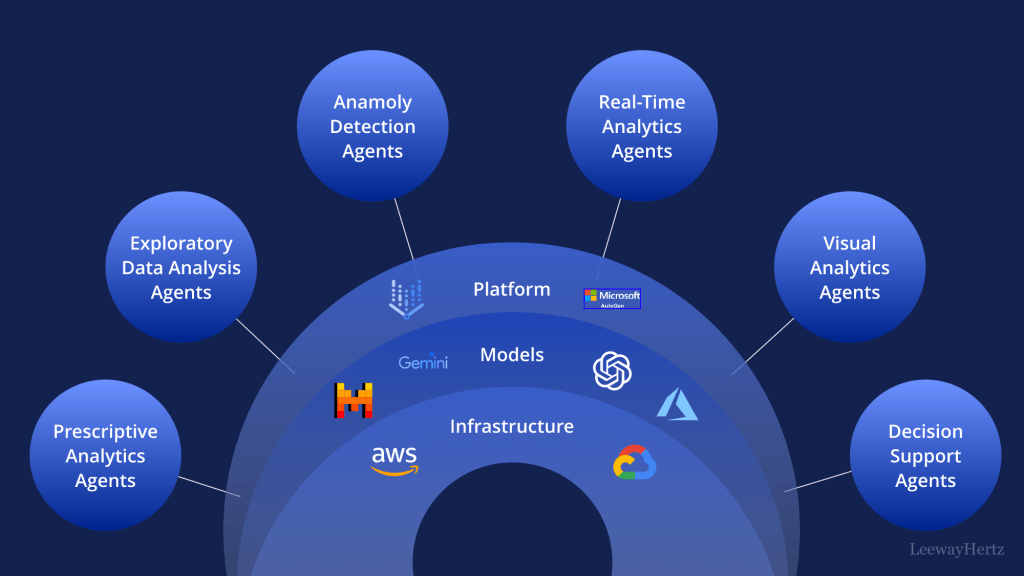
What Are AI Agents for Fraud Detection?
AI agents for fraud detection are specialized software systems designed to identify and prevent fraudulent activities. These systems use machine learning algorithms, natural language processing, and other AI technologies to analyze vast amounts of data in real-time. Unlike traditional methods, which might rely on predefined rules and manual checks, AI agents continuously learn from new data and adapt their detection strategies accordingly.
How AI Agents Enhance Fraud Detection
- Real-Time Analysis
One of the most significant advantages of AI agents for fraud detection is their ability to analyze data in real time. Traditional fraud detection systems often work with historical data and can only flag suspicious activities after they have occurred. AI agents, on the other hand, can monitor transactions and activities as they happen, providing immediate alerts if something appears to be fraudulent. This real-time capability is crucial for minimizing financial losses and preventing further damage.
- Pattern Recognition and Anomaly Detection
AI agents excel at recognizing patterns and identifying anomalies that may indicate fraudulent behavior. Machine learning algorithms can analyze large volumes of transactions and other data to spot unusual patterns that may not be immediately apparent to human analysts. For instance, an AI agent might detect an unusual spike in transactions from a specific account or geographic location, prompting further investigation.
- Adaptive Learning
Unlike static fraud detection systems, AI agents are designed to adapt and evolve. As fraudsters develop new techniques and tactics, AI agents can learn from these changes and update their detection models accordingly. This adaptive learning process ensures that AI agents remain effective against emerging threats, making them a dynamic and resilient solution for fraud prevention.
- Reduced False Positives
False positives—legitimate transactions flagged as fraudulent—can be a significant problem with traditional fraud detection systems. AI agents for fraud detection use advanced algorithms to minimize these occurrences by improving the accuracy of their assessments. By continuously learning from new data and refining their detection models, AI agents reduce the likelihood of incorrectly flagging valid transactions, thereby enhancing the overall efficiency of the fraud detection process.
Applications of AI Agents in Fraud Detection
- Financial Sector
In the financial sector, AI agents are increasingly used to monitor credit card transactions, loan applications, and investment activities. They help banks and credit card companies detect fraudulent transactions in real time, reducing the risk of financial loss and protecting customers from identity theft.
- E-Commerce
For e-commerce businesses, AI agents play a crucial role in detecting fraudulent transactions and preventing chargebacks. By analyzing purchasing patterns, user behavior, and transaction data, AI agents can identify suspicious activities and prevent fraudulent purchases before they are completed.
- Insurance
Insurance companies use AI agents to detect fraudulent claims by analyzing patterns in claim submissions and identifying anomalies that may indicate fraudulent behavior. This helps insurers reduce the number of fraudulent claims and ensure that genuine claims are processed efficiently.
- Healthcare
In the healthcare industry, AI agents are employed to detect fraudulent billing practices and insurance fraud. By analyzing billing data and patient records, AI agents can identify inconsistencies and suspicious activities that may indicate fraudulent behavior.
Challenges and Considerations
While AI agents for fraud detection offer numerous benefits, they also come with their own set of challenges. One key concern is ensuring the privacy and security of sensitive data. AI agents require access to large volumes of data to function effectively, which raises concerns about data protection and compliance with privacy regulations.
Additionally, the effectiveness of AI agents depends on the quality of the data they are trained on. If the data used to train the algorithms is biased or incomplete, it can affect the accuracy of the fraud detection process. Therefore, it is essential to ensure that AI systems are trained on diverse and high-quality datasets.
Conclusion
AI agents for fraud detection are transforming the way organizations and institutions combat fraudulent activities. With their ability to analyze data in real time, recognize patterns, adapt to new threats, and reduce false positives, these advanced systems offer a more effective and efficient approach to fraud prevention. As technology continues to evolve, AI agents will likely play an even more prominent role in safeguarding against fraud, providing businesses and individuals with enhanced security and peace of mind.
 Tech Business
Leave a comment