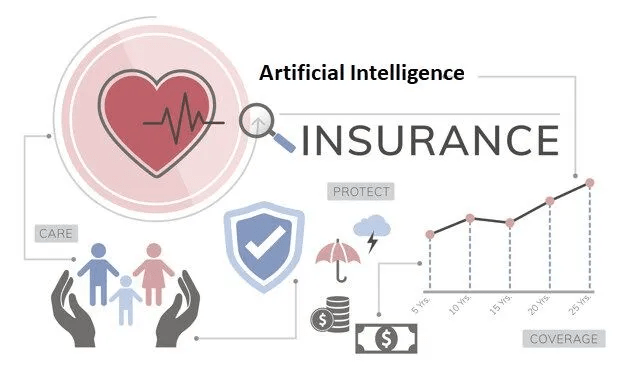
In recent years, artificial intelligence (AI) has become a game-changer in various industries, and insurance is no exception. AI agents for insurance are redefining how insurance companies operate, enhancing efficiency, accuracy, and customer experience. This article explores the impact of AI agents on the insurance sector, highlighting their benefits, applications, and future prospects.
What Are AI Agents for Insurance?
AI agents for insurance are advanced software systems designed to perform tasks traditionally handled by human agents. These tasks include processing claims, assessing risk, managing policies, and interacting with customers. By leveraging machine learning algorithms and natural language processing, AI agents can analyze large volumes of data, predict outcomes, and automate routine tasks with a high degree of accuracy.
Enhancing Customer Service
One of the most significant benefits of AI agents for insurance is their ability to improve customer service. Traditional insurance processes often involve lengthy paperwork and wait times, which can frustrate customers. AI agents streamline these processes by providing instant responses and handling inquiries 24/7.
For example, chatbots powered by AI can answer common questions about policy details, claim status, and coverage options. These AI-driven interactions reduce the need for customers to wait for human assistance and ensure that they receive timely and accurate information. As a result, customer satisfaction levels are likely to rise, and the overall efficiency of customer service departments improves.
Streamlining Claims Processing
Claims processing is a critical aspect of the insurance industry, but it can also be one of the most time-consuming and error-prone tasks. AI agents for insurance can automate and accelerate this process by quickly analyzing claims data, identifying patterns, and making accurate assessments.
For instance, AI algorithms can review submitted documents, compare them against policy terms, and flag any discrepancies or fraudulent activities. This not only speeds up the claims approval process but also reduces the risk of human error. By automating routine tasks, insurance companies can focus their resources on more complex cases that require human intervention.
Improving Risk Assessment and Underwriting
Accurate risk assessment and underwriting are essential for determining insurance premiums and ensuring financial stability. AI agents for insurance enhance these processes by analyzing vast amounts of data to assess risk more precisely.
AI algorithms can evaluate a wide range of factors, including historical claims data, customer behavior, and external variables such as weather conditions or economic trends. This comprehensive analysis allows insurers to develop more accurate risk profiles and set premiums that reflect the true risk associated with each policyholder. As a result, insurers can minimize losses and offer more competitive pricing to their customers.
Personalizing Insurance Products
AI agents for insurance also play a crucial role in personalizing insurance products to meet individual customer needs. Traditional insurance policies often offer one-size-fits-all solutions, which may not address the unique requirements of each policyholder.
AI-driven insights enable insurers to create tailored insurance products based on individual preferences and behaviors. For example, AI can analyze a customer’s driving habits to offer customized auto insurance policies with personalized discounts or coverage options. This level of personalization enhances customer satisfaction and fosters long-term loyalty.
Enhancing Fraud Detection
Fraud is a persistent challenge in the insurance industry, leading to significant financial losses for insurers. AI agents for insurance offer advanced fraud detection capabilities by analyzing patterns and anomalies in claims data.
Machine learning algorithms can identify suspicious activities, such as unusual claim frequency or discrepancies in provided information. By flagging these potential fraud cases, AI agents help insurers investigate and prevent fraudulent claims more effectively. This proactive approach not only protects the insurer’s financial interests but also helps maintain fair premiums for honest policyholders.
The Future of AI Agents in Insurance
The future of AI agents for insurance looks promising, with ongoing advancements in technology expected to further enhance their capabilities. As AI continues to evolve, insurers will likely see even greater improvements in efficiency, accuracy, and customer satisfaction.
One area of future development is the integration of AI with other emerging technologies, such as blockchain and the Internet of Things (IoT). For instance, AI-powered blockchain systems could offer more secure and transparent claim processing, while IoT devices could provide real-time data for more accurate risk assessment.
Conclusion
AI agents for insurance are revolutionizing the industry by automating routine tasks, improving customer service, and enhancing risk assessment. As technology continues to advance, the role of AI agents in insurance will expand, offering even greater benefits for both insurers and policyholders. Embracing AI agents is no longer just an option but a necessity for insurance companies looking to stay competitive in a rapidly changing market. By leveraging the power of AI, insurers can deliver more efficient, personalized, and secure services, ultimately transforming the future of insurance.
 Tech Business
Leave a comment