Artificial Intelligence (AI) agent systems are transforming industries by automating tasks, making decisions, and solving complex problems. Whether you are a developer, a tech enthusiast, or a business owner, understanding how to build an AI agent system can unlock numerous opportunities. In this article, we will explore the steps involved in creating an AI agent system, breaking down the process into simple, actionable steps.
What is an AI Agent System?
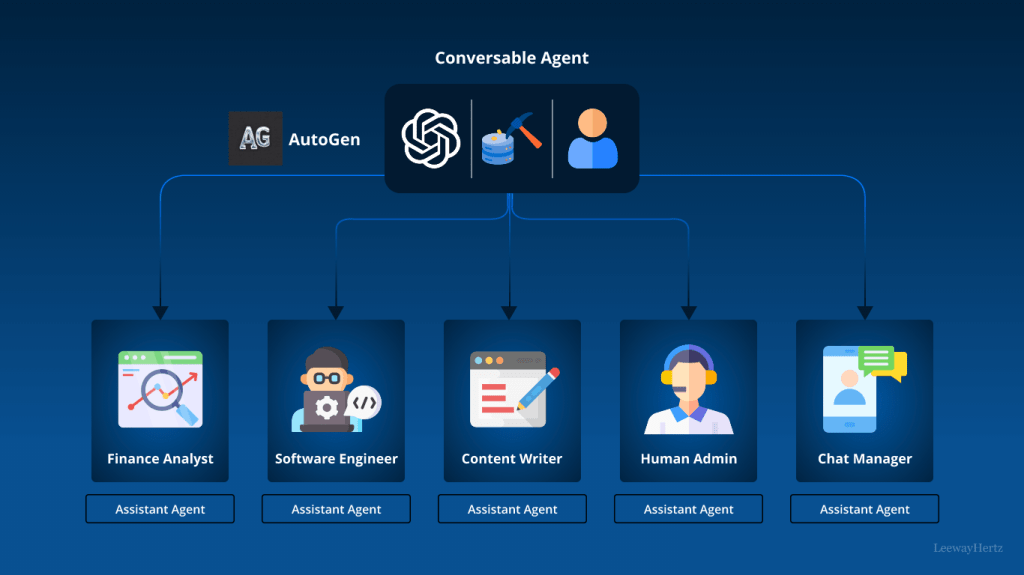
Before diving into how to build an AI agent system, it is essential to understand what an AI agent system is. An AI agent system is a software entity that perceives its environment, makes decisions, and takes actions to achieve specific goals. These systems can be found in various applications, from chatbots and virtual assistants to autonomous vehicles and recommendation systems.
Step 1: Define the Purpose of the AI Agent System
The first step in building an AI agent system is to define its purpose clearly. Ask yourself what problem you want the AI agent system to solve. Whether it’s automating customer service, optimizing supply chain logistics, or enhancing user experience on a website, the objective should be clear and specific. This step is crucial because it will guide the design and development of your AI agent system.
Step 2: Choose the Right AI Framework and Tools
Once you have defined the purpose of your AI agent system, the next step is to select the right framework and tools. There are several AI frameworks available, such as TensorFlow, PyTorch, and scikit-learn, each with its strengths and use cases. Choose a framework that best suits the requirements of your AI agent system. Additionally, consider tools for data preprocessing, model training, and deployment to streamline the development process.
Step 3: Collect and Prepare Data
Data is the backbone of any AI agent system. To build an effective AI agent system, you need high-quality data that reflects the scenarios your system will encounter. Start by collecting relevant data from various sources, such as databases, APIs, or publicly available datasets. Once collected, clean and preprocess the data to remove any inconsistencies or noise. This step is crucial because the quality of your AI agent system’s performance depends heavily on the quality of the data it is trained on.
Step 4: Design the Architecture of the AI Agent System
Designing the architecture of your AI agent system involves deciding how the system will function. This includes choosing the type of AI model (e.g., machine learning, deep learning, reinforcement learning) and defining the system’s components, such as perception, decision-making, and action modules. For instance, a reinforcement learning agent might have a policy network that guides actions based on feedback from the environment. Clearly defining the architecture will help you organize the development process and ensure that all components work together seamlessly.
Step 5: Train the AI Model
With your architecture in place and data prepared, it’s time to train the AI model. Training involves feeding the prepared data into the AI model and allowing it to learn patterns and relationships. During training, the model’s performance is evaluated using metrics relevant to the task, such as accuracy, precision, or recall. If the performance is not satisfactory, you may need to adjust parameters, try different algorithms, or fine-tune the model to improve results. This iterative process is vital for building an AI agent system that performs well in real-world scenarios.
Step 6: Test and Validate the AI Agent System
Testing and validation are critical steps in building an AI agent system. After training the model, test it on new data to ensure it can generalize well to unseen scenarios. Validation involves checking if the AI agent system meets the requirements defined in the initial stages and performs as expected. Use various testing techniques, such as cross-validation, to assess the model’s robustness and reliability. This step helps identify any flaws or areas for improvement before deploying the AI agent system.
Step 7: Deploy the AI Agent System
Once your AI agent system has been tested and validated, it’s time to deploy it in the intended environment. Deployment involves integrating the AI agent system with existing systems, setting up monitoring tools, and ensuring it operates efficiently. Consider using cloud platforms like AWS, Google Cloud, or Azure for scalable deployment solutions. Keep in mind that deployment is not the end of the journey; continuous monitoring and maintenance are required to keep the AI agent system performing optimally.
Step 8: Monitor and Improve the AI Agent System
Building an AI agent system is an ongoing process. After deployment, continuously monitor the system’s performance to detect any issues or areas that need improvement. Use feedback loops to refine the AI model, update it with new data, and adjust its behavior as needed. Regular maintenance and updates will ensure your AI agent system remains effective and relevant over time.
Conclusion
Learning how to build an AI agent system involves a series of well-defined steps, from defining the purpose to continuous improvement after deployment. By following these steps, you can create an AI agent system that meets your needs and contributes significantly to your goals. As technology evolves, staying updated with the latest advancements in AI will help you refine and enhance your AI agent system for even better results. Whether you are starting small or aiming for large-scale deployment, the journey of building an AI agent system is both challenging and rewarding.
 Tech Business
Leave a comment