Introduction
Artificial Intelligence (AI) is increasingly becoming a cornerstone of modern business management. This technology is reshaping the way organizations operate, offering innovative solutions to traditional challenges. From automating routine tasks to providing valuable insights for strategic decision-making, AI in business management is proving to be a game-changer. This article explores how AI is revolutionizing business management and highlights the benefits it brings to organizations.
Enhanced Decision-Making
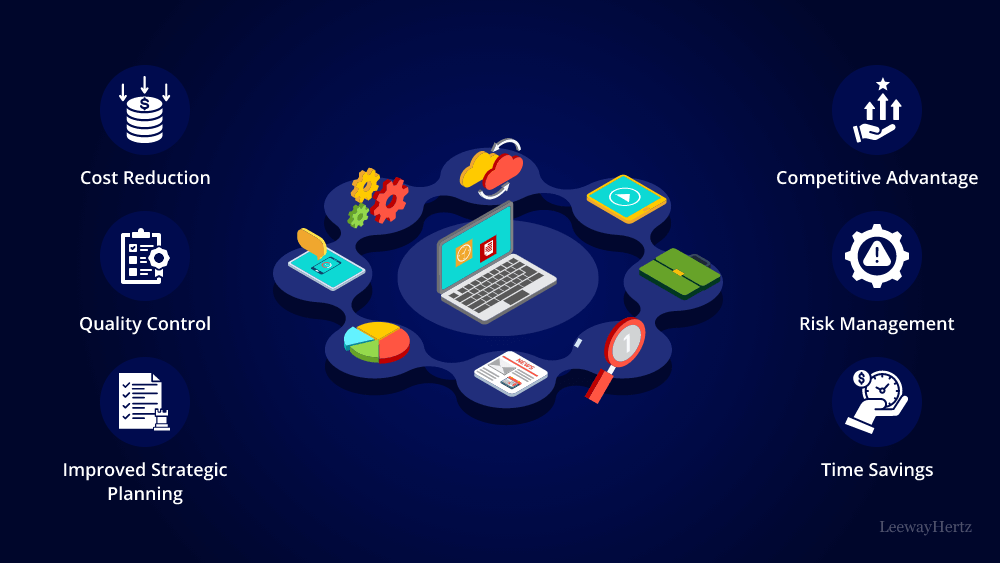
One of the most significant impacts of AI in business management is its ability to enhance decision-making. AI algorithms can analyze vast amounts of data quickly and accurately, providing managers with actionable insights. By leveraging AI tools, businesses can identify trends, forecast future outcomes, and make informed decisions. This data-driven approach helps organizations to minimize risks and capitalize on opportunities, ultimately leading to better strategic planning and execution.
Improved Efficiency and Productivity
AI in business management is also driving improvements in efficiency and productivity. Automation is a key feature of AI, allowing businesses to streamline repetitive tasks such as data entry, report generation, and inventory management. By automating these processes, companies can reduce human error, speed up operations, and allocate resources more effectively. This not only saves time but also enables employees to focus on more complex and value-added activities.
Enhanced Customer Experience
AI plays a crucial role in enhancing customer experience, a critical aspect of business management. With AI-driven tools such as chatbots and virtual assistants, companies can provide 24/7 customer support and address queries in real-time. These AI applications can handle a large volume of interactions simultaneously, improving response times and customer satisfaction. Additionally, AI can analyze customer data to offer personalized recommendations and tailored marketing strategies, further enhancing the overall customer experience.
Predictive Analytics for Strategic Planning
Predictive analytics is another area where AI is making a significant impact on business management. By analyzing historical data and identifying patterns, AI can help businesses anticipate future trends and outcomes. This capability is invaluable for strategic planning, as it allows organizations to proactively address potential challenges and seize opportunities before they arise. Predictive analytics powered by AI enables businesses to develop more accurate forecasts, optimize resource allocation, and implement effective strategies.
Risk Management and Fraud Detection
Risk management and fraud detection are critical components of business management, and AI is proving to be a valuable asset in these areas. AI algorithms can analyze transaction data and detect unusual patterns or anomalies that may indicate fraudulent activity. This proactive approach to risk management helps businesses to identify potential threats early and take appropriate measures to mitigate them. By leveraging AI for fraud detection and risk assessment, organizations can safeguard their assets and maintain operational integrity.
Optimized Supply Chain Management
AI in business management extends to supply chain optimization as well. AI technologies can enhance supply chain visibility, predict demand, and optimize inventory levels. By analyzing data from various sources, AI can identify inefficiencies and suggest improvements in supply chain operations. This leads to better coordination between suppliers, manufacturers, and distributors, ultimately reducing costs and improving delivery performance.
Employee Training and Development
AI is also transforming employee training and development within organizations. AI-powered learning platforms can provide personalized training experiences based on individual needs and learning styles. These platforms use data to identify skill gaps and recommend relevant training resources. By leveraging AI for employee development, businesses can ensure that their workforce remains skilled and adaptable in a rapidly changing environment.
Challenges and Considerations
While AI offers numerous benefits for business management, there are also challenges and considerations to address. Implementing AI solutions requires a significant investment in technology and expertise. Additionally, businesses must ensure that their AI systems are designed and used ethically, with respect for privacy and data security. It is essential for organizations to carefully evaluate AI solutions and consider their potential impact on employees and customers.
Conclusion
AI in business management is reshaping the landscape of modern organizations. By enhancing decision-making, improving efficiency, and providing valuable insights, AI is driving significant advancements in how businesses operate. From optimizing supply chains to enhancing customer experiences, the benefits of AI are vast and varied. However, businesses must approach AI implementation thoughtfully, addressing potential challenges and ensuring ethical use. As AI continues to evolve, its role in business management will likely expand, offering even more opportunities for innovation and growth.
.
 Tech Business
Leave a comment