Introduction
Generative AI in logistics is transforming the industry by providing innovative solutions that enhance efficiency, reduce costs, and improve decision-making. This powerful technology, which uses machine learning models to generate data-driven insights, is becoming a game-changer in logistics, from optimizing routes to predicting demand. In this article, we will explore how generative AI is reshaping the logistics landscape and the benefits it offers.
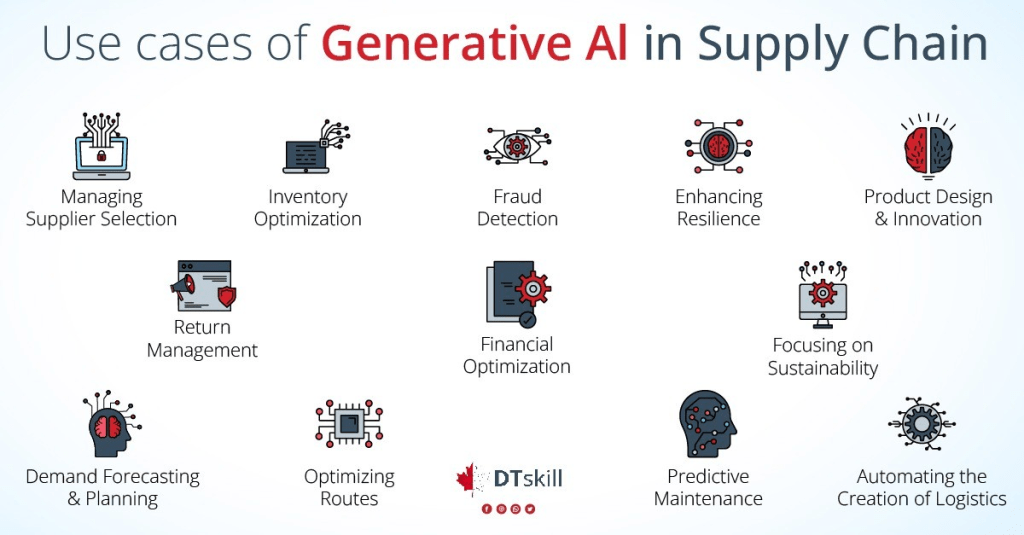
What is Generative AI in Logistics?
Generative AI in logistics refers to the application of advanced algorithms and machine learning models to generate solutions for complex logistics challenges. Unlike traditional AI, which typically follows a set of predefined rules, generative AI creates new possibilities by learning from data patterns. In logistics, this means more accurate forecasting, optimized route planning, and enhanced supply chain management.
Generative AI models analyze vast amounts of data, such as historical delivery times, weather patterns, and customer demand, to produce actionable insights. By doing so, logistics companies can make better decisions, anticipate disruptions, and streamline their operations.
Benefits of Generative AI in Logistics
1. Enhanced Route Optimization
One of the most significant impacts of generative AI in logistics is in route optimization. By analyzing various data points, such as traffic conditions, fuel prices, and delivery deadlines, generative AI can suggest the most efficient routes. This not only reduces delivery times but also cuts down on fuel consumption and operational costs.
Moreover, generative AI can dynamically adjust routes in real-time, accounting for unexpected events like road closures or accidents. This flexibility ensures that deliveries remain on schedule, improving customer satisfaction.
2. Improved Demand Forecasting
Accurate demand forecasting is crucial in logistics, as it helps companies manage inventory levels and reduce waste. Generative AI in logistics uses historical sales data, market trends, and external factors like seasonality to predict future demand with high accuracy. This allows businesses to align their supply chains more closely with actual market needs, avoiding overstocking or stockouts.
By leveraging generative AI, logistics companies can also anticipate peak periods and adjust their resources accordingly. This proactive approach leads to better resource allocation and smoother operations during high-demand times.
3. Automated Warehouse Management
Warehouse management is another area where generative AI in logistics is making a significant impact. Generative AI algorithms can optimize the placement of goods within a warehouse, reducing the time and effort needed to locate and retrieve items. This not only speeds up order fulfillment but also maximizes the use of available space.
Additionally, generative AI can predict when maintenance is needed for warehouse equipment, minimizing downtime and ensuring that operations run smoothly. By automating various aspects of warehouse management, generative AI helps logistics companies operate more efficiently and reduce costs.
Challenges of Implementing Generative AI in Logistics
While the benefits of generative AI in logistics are clear, implementing this technology is not without challenges. One of the primary obstacles is the need for large amounts of high-quality data. Generative AI models rely on data to learn and make predictions, so any gaps or inaccuracies in the data can affect the performance of these models.
Another challenge is the integration of generative AI into existing systems. Many logistics companies use legacy systems that may not be compatible with modern AI technologies. Upgrading or replacing these systems can be costly and time-consuming.
Lastly, there is the issue of skills and expertise. Implementing generative AI in logistics requires specialized knowledge in data science and machine learning. As such, companies may need to invest in training their staff or hiring new talent to fully leverage the potential of this technology.
The Future of Generative AI in Logistics
The future of generative AI in logistics looks promising, with ongoing advancements in technology set to unlock even greater potential. As AI models become more sophisticated, we can expect even more precise predictions and optimizations, further enhancing logistics operations.
One exciting development is the use of generative AI in autonomous vehicles and drones for delivery. By integrating AI with these technologies, logistics companies can achieve faster and more reliable deliveries, especially in hard-to-reach areas.
Additionally, the rise of the Internet of Things (IoT) will provide generative AI models with even more data points to analyze. This will enable more granular and accurate insights, driving further efficiencies across the supply chain.
Conclusion
Generative AI in logistics is no longer a futuristic concept but a reality that is already transforming the industry. From route optimization and demand forecasting to automated warehouse management, the applications of generative AI are vast and varied. While there are challenges to its implementation, the benefits far outweigh the obstacles, making generative AI a valuable tool for logistics companies looking to stay competitive in a rapidly evolving market. As the technology continues to advance, the role of generative AI in logistics will only grow, paving the way for smarter, more efficient supply chains.
 Tech Business
Leave a comment