Introduction: The Growing Need for Regulatory Compliance in AI
As artificial intelligence (AI) technologies continue to evolve, industries across the globe are integrating them into their operations. However, with great power comes great responsibility. Regulatory compliance has become a critical concern as the ethical use, fairness, and transparency of AI systems face increasing scrutiny. AI-based regulatory monitoring tools are emerging as powerful solutions, offering innovative ways to navigate complex regulatory landscapes. In this article, we will explore how these tools are transforming AI governance and helping businesses stay compliant in an ever-changing regulatory environment.
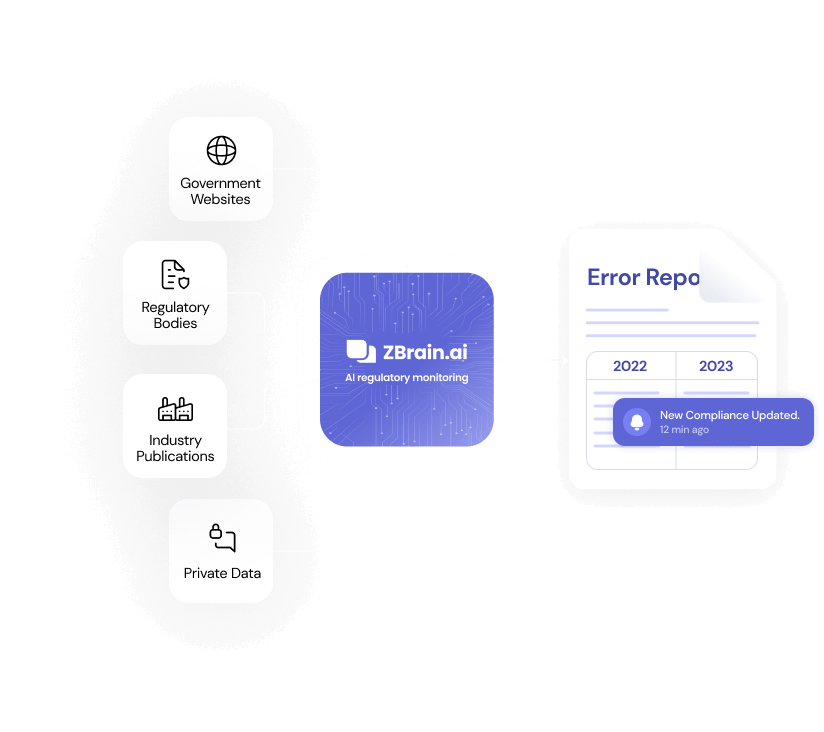
What is an AI-Based Regulatory Monitoring Tool?
An AI-based regulatory monitoring tool is an advanced system that leverages AI algorithms to automatically track, analyze, and report compliance with industry regulations and legal frameworks. These tools monitor updates to regulations in real time, assess potential compliance risks, and provide businesses with actionable insights to ensure their operations align with the latest legal requirements.
Traditional compliance methods often involve manual processes that are time-consuming and prone to human error. In contrast, AI-based regulatory monitoring tools streamline the process, making it faster, more accurate, and capable of handling large-scale data. This automation is particularly crucial as global regulations continue to evolve rapidly, often with variations across regions and industries.
The Impact of AI-Based Regulatory Monitoring on AI Governance
The integration of AI-based regulatory monitoring tools is transforming AI governance in several key ways:
1. Real-Time Monitoring of Regulatory Changes
One of the most significant advantages of AI-based regulatory monitoring tools is their ability to track regulatory changes in real time. These tools continuously scan databases, news sources, government publications, and other relevant outlets for updates on regulations related to AI technologies. This feature ensures that businesses are always up to date on the latest compliance requirements, avoiding potential penalties for non-compliance.
By identifying new regulations as soon as they are enacted, businesses can swiftly adapt their AI systems to ensure compliance. This real-time capability is especially important for industries like healthcare, finance, and data security, where regulations often change without much notice.
2. Automation of Compliance Audits
Conducting compliance audits manually can be a laborious and time-intensive task. However, AI-based regulatory monitoring tools can automate much of this process. These tools can automatically analyze business processes, identify areas of non-compliance, and generate reports that provide detailed insights into what needs to be addressed.
Automation allows businesses to conduct more frequent audits, ensuring that they remain compliant with all regulatory requirements at all times. This is particularly valuable in sectors with stringent compliance standards, as AI-based tools can highlight risks and vulnerabilities that may not be immediately visible to human auditors.
3. Enhanced Risk Management
AI-based regulatory monitoring tools not only track current regulations but also predict potential compliance risks in the future. By leveraging machine learning algorithms, these tools can identify trends and patterns in regulatory changes, helping businesses anticipate and prepare for upcoming shifts in policy.
Proactively managing compliance risks is critical in maintaining the ethical use of AI systems. AI-based regulatory monitoring tools help organizations mitigate potential risks by suggesting necessary adjustments to their AI models, operational processes, and data management practices before violations occur.
Transforming AI Ethics and Transparency
In addition to streamlining compliance processes, AI-based regulatory monitoring tools also play a crucial role in promoting ethics and transparency in AI systems.
1. Supporting Fairness in AI Systems
AI has the potential to revolutionize industries, but it can also perpetuate biases if not properly governed. AI-based regulatory monitoring tools can assist in identifying instances of bias within AI models by comparing the outputs of these models against established fairness regulations. For example, in industries like hiring or lending, AI systems must ensure that decisions are made without discriminating against individuals based on race, gender, or other protected attributes.
By ensuring that AI systems adhere to fairness standards, businesses can build more trustworthy AI models that promote equality and avoid unintentional discrimination.
2. Promoting Transparency and Explainability
Transparency in AI systems is essential for building trust with stakeholders and regulators. Many AI systems, especially those utilizing deep learning techniques, operate as “black boxes” where it is difficult to understand how decisions are made. AI-based regulatory monitoring tools can help address this challenge by enforcing transparency regulations and requiring businesses to provide explanations for how their AI models operate.
These tools can also offer explanations for AI-generated decisions, enabling businesses to comply with regulations that require explainability. This is particularly important in highly regulated sectors like finance and healthcare, where transparency is essential for gaining regulatory approval and maintaining public trust.
Benefits of AI-Based Regulatory Monitoring Tools
The adoption of AI-based regulatory monitoring tools provides several advantages for businesses:
1. Cost Efficiency
AI-based tools reduce the need for extensive manual labor in tracking and implementing regulatory changes. This leads to significant cost savings, as businesses can allocate fewer resources to compliance departments while achieving better outcomes.
2. Improved Accuracy
Human errors are common in manual compliance processes. AI-based regulatory monitoring tools eliminate these errors by automatically cross-referencing regulations with internal processes, ensuring that no crucial requirements are overlooked.
3. Scalability
As businesses grow and enter new markets, the regulatory requirements they face can become increasingly complex. AI-based regulatory monitoring tools offer scalability, allowing businesses to handle an increasing number of regulations across multiple jurisdictions without additional strain on resources.
The Future of AI-Based Regulatory Monitoring Tools
The role of AI-based regulatory monitoring tools in transforming AI governance is expected to grow as more industries rely on AI for decision-making. As global regulators introduce more comprehensive AI-specific laws, these tools will become indispensable for ensuring compliance across industries.
Additionally, advances in AI itself will likely improve the sophistication of regulatory monitoring tools. Machine learning models will become better at predicting regulatory changes, providing businesses with even more proactive insights. With the continued development of AI-based regulatory monitoring tools, we can expect a future where AI governance is more transparent, ethical, and adaptive to rapid regulatory changes.
Conclusion: The Need for AI-Based Regulatory Monitoring Tools
AI-based regulatory monitoring tools are transforming AI governance by providing businesses with the ability to track, analyze, and comply with ever-evolving regulations. These tools not only ensure regulatory compliance but also promote fairness, transparency, and risk management within AI systems. As industries continue to adopt AI technologies, the role of AI-based regulatory monitoring tools will be central to ensuring that AI operates ethically and in accordance with global regulations.
 Tech Business
Leave a comment