Introduction to Generative AI in Manufacturing
Generative AI in manufacturing is revolutionizing how products are designed, produced, and optimized. This technology leverages advanced algorithms to generate designs and solutions that can significantly enhance efficiency, reduce costs, and foster innovation. As industries face increasing demands for customization and speed, generative AI provides a pathway to meet these challenges effectively.
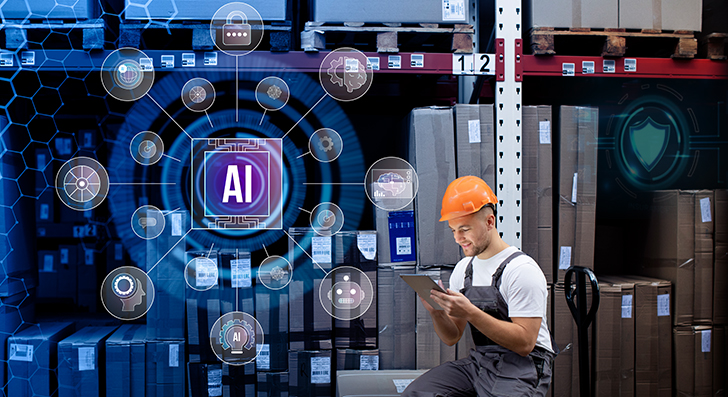
What is Generative AI?
Generative AI refers to algorithms that can create new content, designs, or models based on input data. In the manufacturing sector, these systems analyze existing designs, manufacturing processes, and performance metrics to produce novel solutions. This process allows manufacturers to explore a broader range of options, optimizing for various factors like material usage, weight reduction, and production speed.
Benefits of Generative AI in Manufacturing
Enhanced Design Flexibility
One of the primary advantages of generative AI in manufacturing is its ability to enhance design flexibility. Traditional design processes often rely on a limited set of parameters, restricting creativity. Generative AI expands these parameters, enabling designers to explore innovative solutions that might not have been considered otherwise. This flexibility leads to products that are not only more efficient but also more tailored to specific customer needs.
Improved Efficiency and Cost Reduction
Generative AI can streamline manufacturing processes, resulting in significant cost savings. By optimizing designs for manufacturability, generative AI reduces material waste and minimizes production time. The ability to simulate various manufacturing scenarios also allows businesses to identify potential issues before production begins, further decreasing downtime and associated costs.
Accelerated Time to Market
In today’s fast-paced market, speed is critical. Generative AI in manufacturing facilitates quicker prototyping and design iterations. This technology can rapidly generate multiple design alternatives, enabling teams to select the best option without lengthy traditional processes. As a result, companies can bring products to market faster, gaining a competitive edge.
Applications of Generative AI in Manufacturing
Product Design
Generative AI is increasingly being used in product design, where it assists engineers in creating optimized components. For example, designers can input specifications and performance requirements into generative AI systems, which then produce multiple design variations that meet those criteria. This capability not only enhances creativity but also leads to lighter and more efficient products.
Process Optimization
Beyond design, generative AI plays a crucial role in process optimization. It analyzes existing workflows and identifies bottlenecks or inefficiencies, suggesting improvements that can enhance overall productivity. Manufacturers can implement these suggestions to streamline operations, reducing both time and costs associated with production.
Supply Chain Management
Generative AI can also optimize supply chain management by predicting demand and recommending inventory levels. By analyzing historical data and market trends, these systems help manufacturers maintain optimal stock levels, minimizing the risk of overproduction or shortages. This predictive capability is essential for maintaining efficiency and responsiveness in today’s dynamic market.
Challenges and Considerations
Data Quality and Integration
For generative AI in manufacturing to be effective, high-quality data is essential. Companies must ensure that the data being fed into these systems is accurate and comprehensive. Moreover, integrating generative AI with existing systems can pose challenges. A seamless integration is crucial for realizing the full benefits of this technology.
Skill Gaps
Another challenge lies in the skill gap within the workforce. As generative AI becomes more prevalent, the need for employees skilled in data analysis and AI technology will grow. Manufacturers must invest in training programs to equip their teams with the necessary skills to harness the power of generative AI effectively.
Ethical Considerations
As with any emerging technology, ethical considerations must be addressed. The use of generative AI in manufacturing raises questions about data privacy, job displacement, and decision-making transparency. Companies should develop frameworks to ensure that their use of generative AI aligns with ethical standards and promotes a positive impact on society.
The Future of Generative AI in Manufacturing
The potential of generative AI in manufacturing is immense. As technology continues to evolve, we can expect further advancements that will redefine manufacturing processes. The integration of generative AI with other technologies, such as the Internet of Things (IoT) and machine learning, will create even more opportunities for innovation and efficiency.
In conclusion, generative AI in manufacturing is not just a trend; it’s a transformative force shaping the future of the industry. By embracing this technology, manufacturers can improve design flexibility, enhance efficiency, and accelerate their time to market. As challenges are addressed and the technology matures, the impact of generative AI will only grow, paving the way for a smarter and more efficient manufacturing landscape.
 Tech Business
Leave a comment