Artificial intelligence (AI) is transforming industries by automating tasks and improving decision-making processes. AI agents are a key part of this transformation, acting as autonomous systems capable of perceiving their environment, reasoning, and making decisions based on the data they process. Learning how to build an AI agent system opens up vast opportunities for developers and businesses looking to enhance their operations. This guide will walk you through the basics of building an AI agent system, from understanding the fundamental components to the steps required to design, implement, and deploy one.
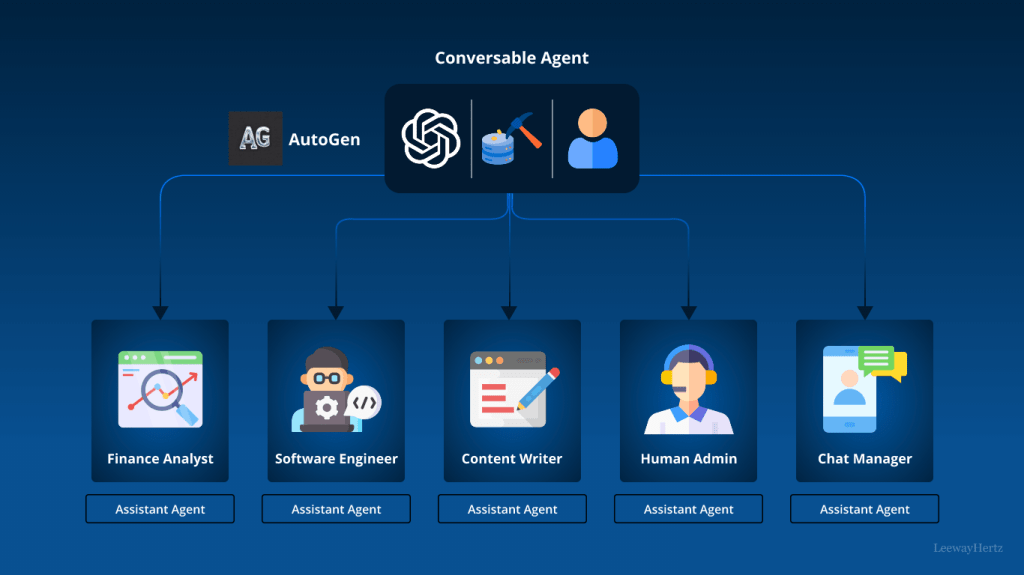
What is an AI Agent System?
Before diving into how to build an AI agent system, it’s important to understand what it entails. An AI agent system consists of software entities capable of acting autonomously in complex environments. These agents can perceive their surroundings, make decisions based on goals, and learn over time to improve their performance. AI agents are typically used in areas such as robotics, natural language processing, automated trading systems, and customer service chatbots.
Key Components of an AI Agent System
To understand how to build an AI agent system, it’s necessary to break down its key components. There are several crucial elements that make up an effective AI agent:
- Perception Module: This is the component that allows the agent to gather information about its environment. Sensors, cameras, or input data streams are used to perceive the current state of the environment.
- Decision-Making Module: Once the environment is perceived, the agent needs to decide what action to take next. This is done using decision-making algorithms, often based on predefined rules or learning-based approaches like reinforcement learning.
- Action Module: After making a decision, the agent needs to interact with its environment. The action module is responsible for executing actions, which could range from sending a command to a physical device to interacting with a user in a chatbot interface.
- Learning and Adaptation: Many AI agents incorporate learning capabilities, allowing them to improve their performance over time. Machine learning techniques like supervised, unsupervised, or reinforcement learning are typically used to enable agents to adapt to new situations.
Steps to Build an AI Agent System
Now that we understand the key components, let’s explore the steps involved in how to build an AI agent system.
1. Define the Purpose of Your AI Agent
The first step in building an AI agent system is to clearly define the purpose of the agent. What problem will the AI agent solve? Will it handle customer interactions, automate tasks, or perhaps control a robotic system? Defining the goals and limitations of the AI agent helps guide its design and the technologies needed to implement it.
2. Select the Right Frameworks and Tools
Choosing the right programming languages, frameworks, and libraries is a critical aspect of how to build an AI agent system. Popular choices include Python, which is commonly used for machine learning tasks due to its large ecosystem of AI libraries such as TensorFlow, PyTorch, and scikit-learn. Depending on the complexity of the system, you might also need specialized tools for computer vision, natural language processing, or robotics.
3. Design the Perception Module
The next step in how to build an AI agent system is designing the perception module. This involves determining how the agent will receive and process input from its environment. For example, if you’re building a chatbot, the perception module would involve natural language processing algorithms to interpret user input. For a robotic agent, the perception module might include sensors and cameras to capture real-world data.
4. Implement Decision-Making Algorithms
Once the AI agent can perceive its environment, it needs a way to make decisions. This is one of the most complex steps in how to build an AI agent system. Decision-making can be rule-based, where the agent follows predefined logic to select actions. Alternatively, machine learning algorithms like reinforcement learning can be employed, where the agent learns to make decisions by receiving rewards or penalties based on its actions. The choice of decision-making strategy depends on the problem you’re solving and the complexity of the agent.
5. Develop the Action Module
The action module controls how the agent interacts with its environment or users. This module can be relatively simple, like sending a text response in a chatbot, or more complex, such as controlling the movements of a robot. In this stage, developers must ensure that the agent’s actions align with the goals defined in the system design.
6. Integrate Learning Capabilities
A key aspect of how to build an AI agent system is integrating learning and adaptation. Machine learning techniques allow AI agents to improve their performance over time. For example, you can use reinforcement learning to train the agent to optimize decision-making based on the outcomes of its actions. Other learning techniques, such as supervised learning, can help the agent generalize from past data and make better decisions in the future.
7. Test and Optimize the AI Agent
Testing is a vital part of how to build an AI agent system. Once your agent is up and running, you’ll need to evaluate its performance in different environments and conditions. By testing the agent’s perception, decision-making, and action modules, you can identify areas for improvement. This step involves debugging, refining the algorithms, and optimizing the system for real-world deployment.
8. Deploy the AI Agent System
The final step in how to build an AI agent system is deployment. This involves setting up the AI agent in a real-world environment where it can begin to operate autonomously. Depending on the system, this could involve integrating the AI agent into a larger software system, or connecting it to hardware devices for physical tasks. Monitoring and maintenance are essential after deployment to ensure the agent continues to perform optimally.
Challenges and Considerations
When learning how to build an AI agent system, it’s important to consider potential challenges. One major issue is ensuring the AI agent can handle unexpected situations, as environments are often unpredictable. Additionally, designing AI agents with ethical and safety considerations in mind is crucial, especially when they are used in sensitive areas like healthcare or autonomous vehicles.
Conclusion
Building an AI agent system is a complex but rewarding process that can significantly improve automation and decision-making in various fields. By understanding the essential components and following the outlined steps, you can successfully learn how to build an AI agent system. Remember that the development of such systems often requires continuous testing, learning, and optimization to ensure they meet the desired objectives and function effectively in dynamic environments.
 Tech Business
Leave a comment