Introduction
Artificial Intelligence (AI) is revolutionizing numerous industries, and logistics and supply chain management is no exception. The integration of AI technologies is enhancing efficiency, reducing costs, and improving customer satisfaction in these sectors. This article explores the various use cases, applications, solutions, and implementation strategies of AI in logistics and supply chain.
Use Cases of AI in Logistics and Supply Chain
The application of AI in logistics and supply chain can be observed through several key use cases. One prominent use case is demand forecasting. By analyzing historical data, market trends, and consumer behavior, AI algorithms can predict future demand with remarkable accuracy. This capability enables businesses to optimize inventory levels, reducing both excess stock and stockouts.
Another significant use case is route optimization. AI-powered systems analyze real-time data from multiple sources, such as traffic conditions, weather forecasts, and delivery schedules, to identify the most efficient routes for transportation. This not only reduces fuel consumption but also enhances delivery speed, improving overall operational efficiency.
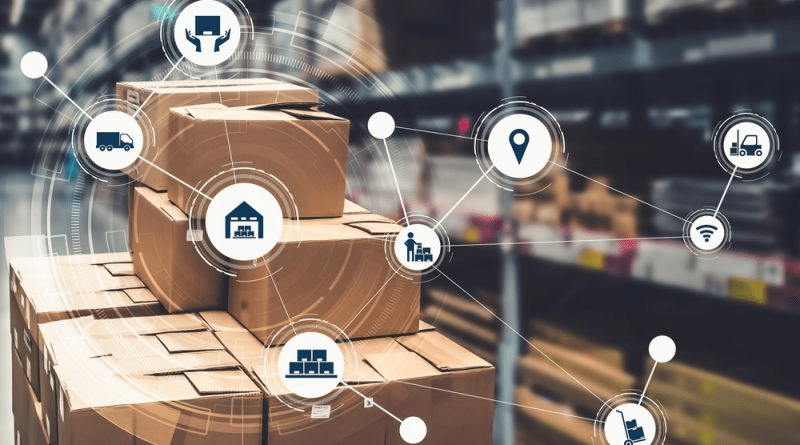
AI in logistics and supply chain also plays a vital role in warehouse management. AI systems can automate tasks such as inventory tracking and sorting, leading to increased accuracy and reduced labor costs. Additionally, robots powered by AI are increasingly being used in warehouses to handle repetitive tasks, allowing human workers to focus on more complex duties.
Applications of AI in Logistics and Supply Chain
The applications of AI in logistics and supply chain management are vast and varied. Predictive analytics is one such application that helps businesses anticipate potential disruptions in the supply chain. By analyzing data from various sources, AI systems can identify patterns and trends that indicate potential risks, enabling proactive measures to be taken.
Another important application is chatbots and virtual assistants. These AI-driven tools enhance customer service by providing real-time information about order status, shipment tracking, and more. By automating customer interactions, businesses can improve response times and free up human resources for more complex inquiries.
Additionally, AI-driven robotics are transforming the way goods are handled in warehouses and distribution centers. Autonomous vehicles can transport goods within facilities, while drones can be used for inventory management and last-mile delivery. These technologies not only improve efficiency but also help in reducing operational costs.
Solutions Enabled by AI in Logistics and Supply Chain
The solutions enabled by AI in logistics and supply chain management are designed to address specific challenges faced by businesses. One of the primary solutions is automated inventory management. AI systems can monitor stock levels in real time, automatically placing orders when inventory reaches a certain threshold. This reduces the risk of stockouts and ensures that businesses can meet customer demands consistently.
AI also enhances supply chain visibility. With the help of AI-powered analytics, companies can gain insights into every aspect of their supply chain, from raw material sourcing to final delivery. This transparency allows businesses to identify inefficiencies and make data-driven decisions to enhance performance.
Furthermore, AI solutions facilitate enhanced risk management. By leveraging machine learning algorithms, businesses can analyze vast amounts of data to identify potential risks in the supply chain. This proactive approach enables organizations to develop contingency plans and mitigate disruptions effectively.
Implementation of AI in Logistics and Supply Chain
Implementing AI in logistics and supply chain requires a structured approach. The first step is to assess the specific needs and challenges of the organization. By identifying areas where AI can add the most value, companies can prioritize their investments.
Next, organizations should focus on data collection and management. High-quality data is crucial for the success of AI applications. Companies must ensure that they have robust systems in place to collect, store, and analyze data from various sources, including suppliers, customers, and logistics partners.
Collaboration with technology providers is another essential aspect of implementation. Partnering with experts in AI can provide organizations with the necessary tools and expertise to integrate AI solutions effectively. Additionally, ongoing training and support for employees are vital to ensure that they can leverage these technologies to their full potential.
Finally, organizations should monitor and evaluate the performance of AI systems regularly. By analyzing key performance indicators (KPIs), companies can assess the impact of AI on their operations and make necessary adjustments to optimize performance.
Conclusion
AI in logistics and supply chain is not just a trend; it is a transformative force that is reshaping the industry. From demand forecasting and route optimization to warehouse automation and risk management, the applications of AI are diverse and impactful. As organizations continue to explore the potential of AI, they will uncover new opportunities to enhance efficiency, reduce costs, and improve customer satisfaction. By taking a structured approach to implementation, businesses can harness the power of AI to navigate the complexities of modern logistics and supply chain management successfully.
 Tech Business
Leave a comment