Introduction to AI in Portfolio Management
In the fast-evolving world of finance, artificial intelligence (AI) is becoming a crucial tool for effective portfolio management. As investors seek ways to enhance returns and mitigate risks, the adoption of AI for portfolio management is gaining momentum. This technology enables more accurate predictions and data-driven decisions, reshaping traditional investment strategies.
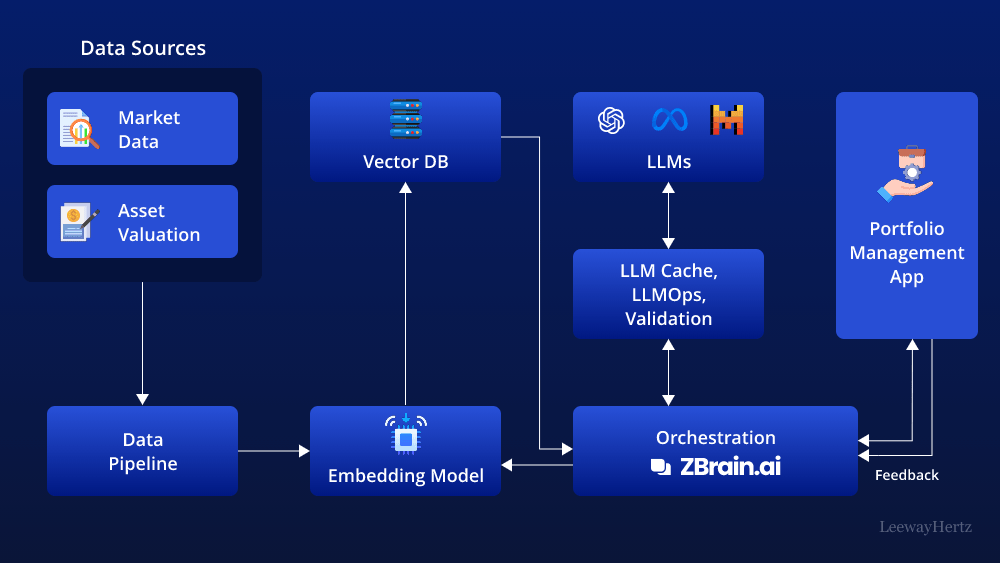
Understanding Portfolio Management
Portfolio management involves the selection, prioritization, and monitoring of investments to achieve specific financial goals. Traditionally, this process relied heavily on human expertise and intuition. However, the integration of AI into portfolio management introduces sophisticated analytical techniques that can process vast amounts of data at remarkable speed.
The Role of AI in Data Analysis
One of the most significant advantages of using AI for portfolio management is its ability to analyze complex datasets. With access to financial markets’ historical data, news articles, social media sentiment, and other relevant sources, AI algorithms can uncover patterns and trends that might be overlooked by human analysts. This data-driven approach allows portfolio managers to make informed decisions and adjust their strategies in real-time.
Enhancing Predictive Analytics
AI algorithms are particularly adept at predictive analytics, enabling portfolio managers to forecast market movements and identify potential investment opportunities. Machine learning models can be trained on historical data to recognize trends, which can enhance the accuracy of predictions about asset performance. By integrating these insights into their strategies, investors can position themselves more effectively in the market.
Risk Management with AI
Managing risk is a fundamental aspect of portfolio management. Traditional methods often rely on historical volatility measures, which can be inadequate in fast-changing markets. AI for portfolio management, however, introduces dynamic risk assessment techniques. By continuously analyzing market conditions and adjusting risk parameters, AI tools help investors navigate uncertainties more effectively.
Real-Time Risk Assessment
With the capability to monitor markets in real time, AI can alert portfolio managers to emerging risks as they arise. For instance, if a significant market event occurs, AI algorithms can rapidly analyze its potential impact on the portfolio, enabling timely adjustments to mitigate losses. This proactive approach to risk management is a game changer for investors looking to protect their assets.
Personalized Investment Strategies
AI for portfolio management also facilitates the development of personalized investment strategies. By analyzing individual investor profiles, including risk tolerance, investment goals, and financial situations, AI algorithms can create tailored portfolios. This level of personalization was previously challenging to achieve on a large scale, but AI has transformed this landscape.
Robo-Advisors and AI Integration
The rise of robo-advisors exemplifies how AI can be utilized for personalized investment management. These platforms use algorithms to provide investment advice and manage portfolios based on individual preferences. By leveraging AI for portfolio management, robo-advisors can offer customized solutions at a fraction of the cost of traditional financial advisors, making them accessible to a broader audience.
Overcoming Challenges in AI Adoption
Despite its numerous benefits, the adoption of AI for portfolio management is not without challenges. Data quality, algorithm transparency, and regulatory compliance are critical concerns that investors must address. Ensuring that AI systems are trained on reliable data is essential for producing accurate predictions. Moreover, portfolio managers need to maintain a level of transparency regarding how AI algorithms make decisions.
Regulatory Considerations
The integration of AI into finance also raises regulatory questions. As AI becomes more prevalent in portfolio management, regulators will need to ensure that these systems operate fairly and transparently. This may involve creating guidelines that address algorithmic biases and ensure accountability in investment decisions.
The Future of AI in Portfolio Management
Looking ahead, the potential of AI for portfolio management is immense. As technology continues to advance, we can expect even more sophisticated algorithms that enhance decision-making processes. The integration of natural language processing (NLP) could further revolutionize the way investors analyze market sentiment, providing deeper insights into investor behavior.
Continuous Learning and Improvement
AI systems are designed to learn and improve over time. This continuous learning process means that AI for portfolio management will become increasingly adept at adapting to changing market conditions. As these systems evolve, they will provide even greater support to portfolio managers, helping them navigate the complexities of the financial landscape.
Conclusion
In summary, AI for portfolio management is transforming how investors approach their financial goals. By leveraging advanced data analysis, predictive analytics, and personalized strategies, AI empowers portfolio managers to make informed decisions and manage risks more effectively. While challenges remain, the ongoing development of AI technology promises a future where portfolio management is more efficient, accessible, and tailored to individual needs. As investors embrace these advancements, they stand to benefit from the unparalleled insights and strategies that AI offers, reshaping the landscape of investment management.
 Tech Business
Leave a comment