Introduction to Generative AI
Generative AI refers to a class of artificial intelligence models capable of generating new content, whether it’s text, images, audio, or video. Unlike traditional AI models that merely classify or analyze existing data, generative AI can create original and innovative outputs based on the patterns and structures learned from vast datasets. As businesses continue to seek ways to leverage AI technology, the demand for Generative AI Integration Services is growing rapidly.
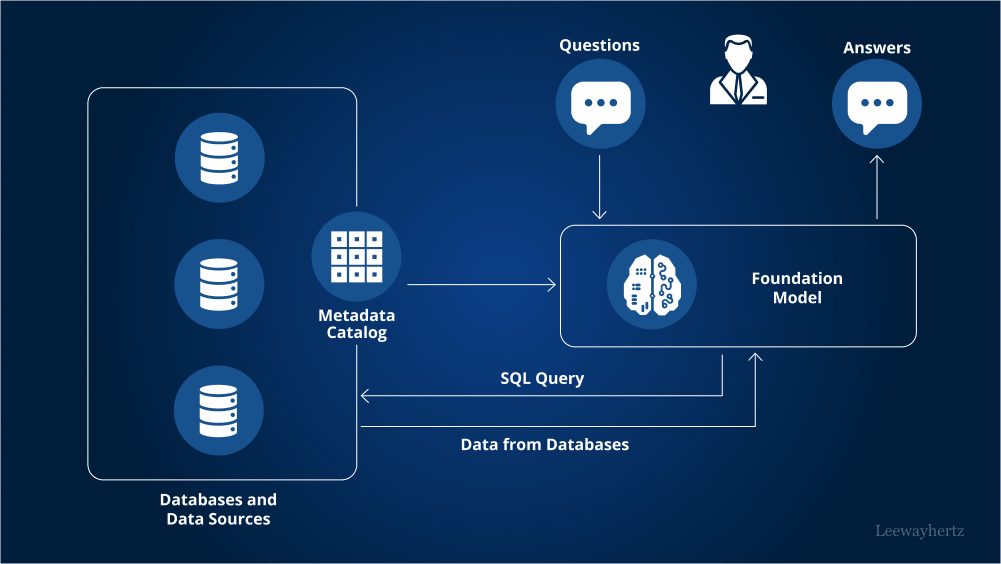
The Importance of Generative AI Integration Services
The integration of generative AI into business processes offers numerous advantages. Generative AI Integration Services can help organizations streamline operations, enhance creativity, and provide personalized experiences to customers. By embedding generative AI into existing workflows, businesses can automate repetitive tasks, improve decision-making, and drive innovation.
- Streamlining Operations: One of the most significant benefits of generative AI is its ability to automate complex processes. For instance, content creation can be automated, allowing teams to focus on strategic initiatives. This not only saves time but also increases productivity.
- Enhancing Creativity: Generative AI can assist creative teams by providing inspiration and ideas. By analyzing existing content and generating variations, it can help designers and writers overcome creative blocks and explore new possibilities.
- Personalizing Customer Experiences: Generative AI Integration Services enable businesses to offer tailored experiences to their customers. By understanding user preferences and behaviors, generative AI can create personalized recommendations and content, enhancing customer satisfaction and loyalty.
Key Components of Generative AI Integration Services
To effectively implement generative AI, businesses need to focus on several key components within their integration services.
Data Preparation
Data is the foundation of any AI model, and generative AI is no exception. Businesses must ensure that they have high-quality, relevant data to train their models. This includes cleaning, organizing, and structuring data appropriately. Generative AI Integration Services often include data preparation as a crucial step to ensure the model’s performance and accuracy.
Model Selection and Training
Choosing the right generative AI model is essential for achieving desired outcomes. There are various types of generative models, including Generative Adversarial Networks (GANs), Variational Autoencoders (VAEs), and Transformer-based models. Each has its strengths and weaknesses, making it crucial to select one that aligns with the specific needs of the business. The training phase involves feeding the model with the prepared data and fine-tuning it to enhance its performance.
Integration into Existing Systems
Once the model is trained, the next step is integrating it into the organization’s existing systems. This might involve developing APIs or using platforms that allow seamless integration with current workflows. Effective Generative AI Integration Services ensure that the generative AI model works harmoniously with other tools and technologies, minimizing disruptions and maximizing efficiency.
Continuous Monitoring and Improvement
The implementation of generative AI is not a one-time task. Continuous monitoring and improvement are vital to ensure that the model remains effective and relevant. This involves regularly evaluating its performance, gathering feedback, and making necessary adjustments. Generative AI Integration Services often include ongoing support and maintenance to help businesses adapt to changing needs and technological advancements.
Challenges in Implementing Generative AI Integration Services
Despite the many benefits, integrating generative AI into business processes comes with its challenges. Understanding these challenges can help organizations prepare better for a successful implementation.
Data Privacy and Security
With the increasing importance of data privacy, businesses must ensure that their generative AI models comply with regulations and protect sensitive information. This requires robust data governance and security measures to prevent unauthorized access and data breaches.
Talent and Expertise
Implementing generative AI requires specialized skills that may not be readily available within the organization. Businesses may need to invest in training existing staff or hiring new talent with expertise in AI and machine learning. Generative AI Integration Services often provide access to skilled professionals who can guide organizations through the integration process.
Technical Complexity
Integrating generative AI can be technically complex, especially for organizations with legacy systems. This complexity may lead to delays and increased costs. It’s essential for businesses to work with experienced integration service providers who can navigate these challenges effectively.
Future Trends in Generative AI Integration Services
As technology continues to evolve, the landscape of generative AI will change, leading to new trends in integration services.
Increased Collaboration between AI and Humans
The future will likely see more collaboration between AI and human creativity. Generative AI will become a tool that enhances human capabilities rather than replacing them. This collaboration will lead to more innovative solutions across various industries.
Focus on Ethical AI
As generative AI becomes more prevalent, the focus on ethical AI practices will intensify. Businesses will need to prioritize transparency, fairness, and accountability in their AI systems. Generative AI Integration Services will increasingly include frameworks to ensure ethical considerations are integrated into the development and deployment of AI models.
Advancements in Natural Language Processing (NLP)
Natural language processing is a crucial aspect of generative AI. Future advancements in NLP will enhance the ability of generative AI models to understand and produce human-like text. This will lead to even more sophisticated applications in content generation, customer support, and personalized marketing.
Conclusion
Generative AI Integration Services present an exciting opportunity for businesses to harness the power of artificial intelligence. By automating processes, enhancing creativity, and personalizing customer experiences, organizations can gain a competitive edge in their respective markets. However, to achieve successful integration, businesses must focus on data preparation, model selection, system integration, and continuous improvement. As the field of generative AI continues to evolve, staying informed about trends and challenges will be crucial for organizations looking to leverage this transformative technology.
 Tech Business
Leave a comment