Introduction
In today’s fast-paced digital landscape, businesses are continuously searching for innovative solutions to enhance customer service. One of the most significant advancements in this area is the emergence of the AI customer support agent. These intelligent systems are revolutionizing the way companies interact with their customers, providing instant support, resolving issues efficiently, and significantly improving customer satisfaction. This article explores the various aspects of AI customer support agents, their benefits, challenges, and their future potential in the customer service industry.
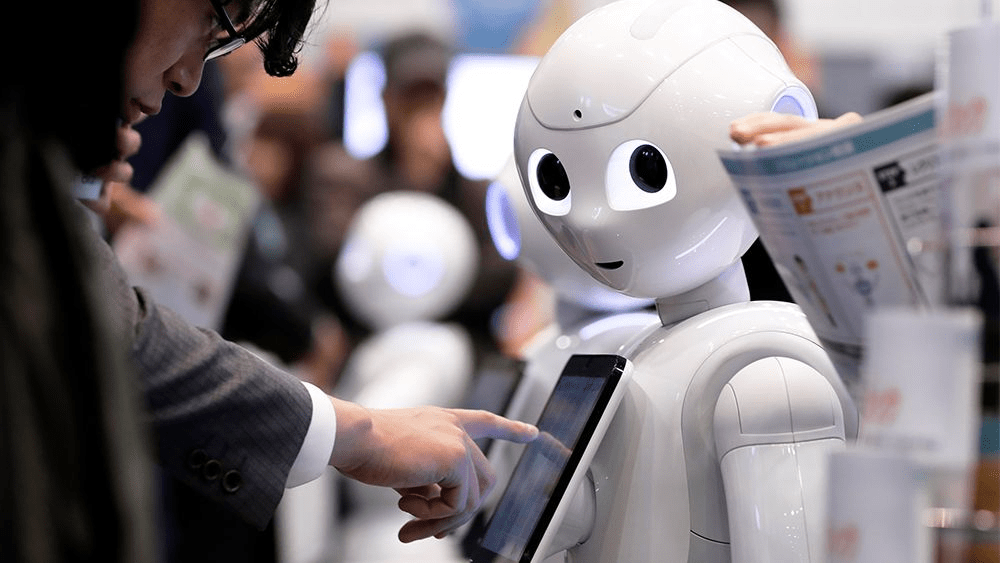
What is an AI Customer Support Agent?
An AI customer support agent is a software application designed to interact with customers, typically through chat or voice interfaces. Leveraging natural language processing (NLP), machine learning, and artificial intelligence, these agents can understand customer inquiries, provide relevant information, and assist with problem-solving. Unlike traditional customer support methods, AI customer support agents operate 24/7, ensuring that customers receive assistance at any time of the day.
Benefits of AI Customer Support Agents
1. Enhanced Efficiency
One of the primary advantages of implementing an AI customer support agent is the significant increase in operational efficiency. These agents can handle multiple inquiries simultaneously, which reduces wait times for customers. By automating routine tasks such as answering frequently asked questions, businesses can free up human agents to focus on more complex issues, thus improving overall productivity.
2. Cost-Effective Solutions
AI customer support agents can be a cost-effective solution for businesses of all sizes. By automating customer service tasks, companies can reduce staffing costs and allocate resources more efficiently. This is particularly beneficial for small to medium-sized enterprises that may not have the budget for a large customer support team. Moreover, AI customer support agents require minimal ongoing maintenance, further lowering operational expenses.
3. Improved Customer Experience
AI customer support agents contribute to an enhanced customer experience by providing instant responses to inquiries. Customers appreciate quick resolutions to their problems, and these agents can deliver information in a fraction of the time it would take a human agent. Additionally, AI customer support agents can learn from past interactions, allowing them to provide increasingly personalized support as they accumulate more data.
4. 24/7 Availability
In a globalized market, customers expect support at any time, regardless of their location. AI customer support agents are available 24/7, ensuring that customers can receive assistance whenever they need it. This round-the-clock availability not only increases customer satisfaction but also allows businesses to cater to a broader audience without the constraints of time zones.
Challenges of AI Customer Support Agents
1. Limited Understanding
Despite advancements in AI technology, customer support agents may still struggle with complex inquiries that require a deep understanding of context. While they can handle straightforward questions effectively, nuanced or ambiguous inquiries may lead to misunderstandings. This limitation can sometimes frustrate customers and may require human intervention for resolution.
2. Lack of Emotional Intelligence
Human agents can empathize with customers and provide emotional support during challenging situations. In contrast, AI customer support agents lack emotional intelligence, which can hinder their ability to connect with customers on a personal level. Businesses must strike a balance between automation and human interaction to ensure that customers feel valued and understood.
3. Implementation Costs
While AI customer support agents can save money in the long run, the initial setup costs can be substantial. Integrating AI technology into existing systems may require significant investment in software and training. Companies must weigh these costs against the potential benefits to determine if the implementation is worthwhile.
Future of AI Customer Support Agents
As technology continues to evolve, the future of AI customer support agents looks promising. Ongoing advancements in natural language processing, machine learning, and data analytics will enhance the capabilities of these agents, making them more efficient and user-friendly. Here are a few trends to watch for:
1. Increased Personalization
The future of AI customer support agents will likely see a greater emphasis on personalization. By analyzing customer data and previous interactions, these agents can provide tailored support that meets individual needs. This level of personalization will enhance customer satisfaction and foster loyalty.
2. Seamless Integration with Human Agents
Rather than replacing human agents, AI customer support agents will increasingly work alongside them. Businesses will adopt hybrid models where AI handles routine inquiries, while human agents focus on complex issues. This collaborative approach will ensure that customers receive efficient and empathetic support.
3. Continuous Learning
With advancements in machine learning, AI customer support agents will become better at understanding customer needs over time. By continuously learning from interactions, they will improve their responses and provide more accurate solutions. This capability will make them even more valuable assets in the customer service landscape.
Conclusion
AI customer support agents represent a significant step forward in enhancing customer service. By offering efficient, cost-effective, and personalized support, these agents are transforming the way businesses interact with their customers. However, challenges remain, particularly regarding understanding complex inquiries and emotional intelligence. As technology continues to advance, the future of AI customer support agents promises even greater improvements, making them indispensable tools in the quest for exceptional customer service. Embracing this technology will not only improve operational efficiency but also foster stronger relationships between businesses and their customers.
 Tech Business
Leave a comment