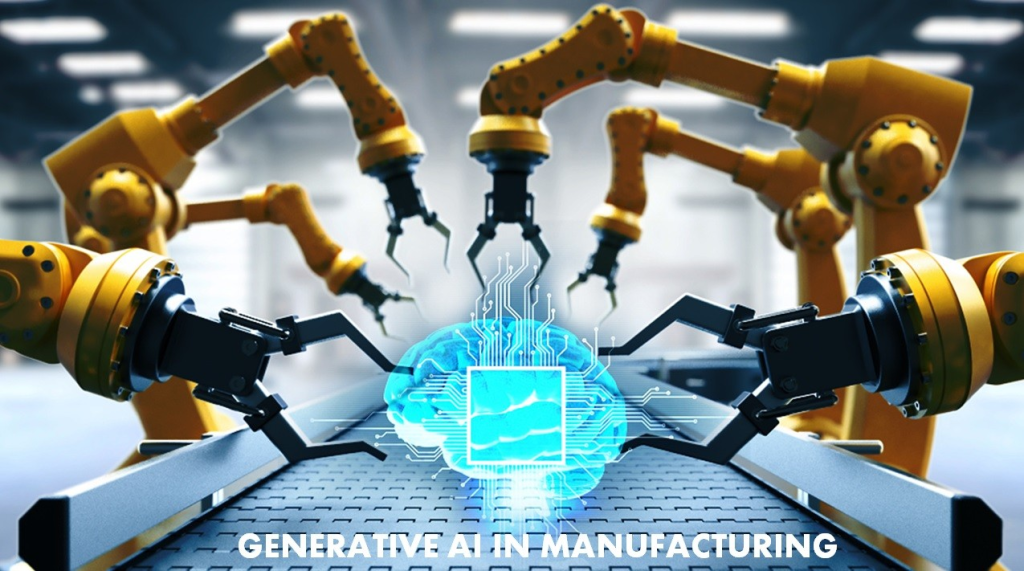
Generative AI is rapidly revolutionizing various industries, and manufacturing is no exception. By leveraging cutting-edge artificial intelligence (AI) technologies, manufacturing processes are becoming smarter, faster, and more efficient. This article explores how generative AI in manufacturing is reshaping the industry, improving productivity, reducing costs, and paving the way for the factories of the future.
What is Generative AI?
Before diving into its applications, it’s essential to understand what generative AI is. In simple terms, generative AI refers to AI systems capable of generating new data, designs, or models based on input data. Unlike traditional AI, which focuses on analyzing data or recognizing patterns, generative AI creates new possibilities by learning from existing information.
In the context of manufacturing, generative AI can design new products, optimize production processes, and even foresee potential challenges in the supply chain. By learning from historical data, these AI systems can simulate countless variations of a product or process, allowing manufacturers to choose the most efficient and cost-effective option.
The Role of Generative AI in Manufacturing
Generative AI is being integrated into numerous aspects of manufacturing, offering significant benefits in terms of innovation and operational efficiency. Here’s how generative AI is transforming various areas of the industry:
1. Product Design and Development
One of the most significant contributions of generative AI in manufacturing is in product design and development. Traditionally, engineers and designers relied on their expertise and manual processes to create new designs. Generative AI enhances this process by automating design creation, testing, and optimization.
By inputting design goals and constraints into an AI system, manufacturers can generate multiple design alternatives, many of which human engineers may not have considered. This process allows for more innovative product designs, reduced development time, and better utilization of materials. With generative AI, manufacturers can experiment with different configurations, quickly evaluating how each option impacts the product’s performance, cost, and manufacturability.
2. Process Optimization
Generative AI in manufacturing goes beyond product design by optimizing the actual production processes. Manufacturers can use AI-driven simulations to test various production scenarios, allowing them to choose the most efficient processes. Whether it’s reducing waste, improving energy efficiency, or speeding up production, generative AI can identify the most optimal path to reach production goals.
For instance, AI algorithms can analyze vast amounts of operational data from the factory floor to predict equipment maintenance needs, reducing downtime. These predictive maintenance systems can automatically generate recommendations on when and how to service equipment, ensuring smoother operations. As a result, companies can reduce unexpected breakdowns, enhance productivity, and lower maintenance costs.
3. Supply Chain Management
Generative AI is also proving to be a game-changer in supply chain management. The complexity of today’s global supply chains demands advanced tools to manage logistics, track inventory, and predict demand accurately. Generative AI helps by creating robust supply chain models, which can simulate and optimize multiple aspects of the supply chain, including sourcing, transportation, and inventory management.
Through real-time data analysis, AI systems can predict potential disruptions, such as supply shortages or delays, and suggest alternative solutions to minimize the impact on production. Moreover, AI-driven demand forecasting helps manufacturers make more accurate decisions regarding inventory levels, ensuring that they can meet market demand without overstocking or understocking products.
4. Customization and Mass Personalization
The rise of consumer demand for personalized products has created a challenge for manufacturers, who must balance the efficiency of mass production with the flexibility of customization. Generative AI in manufacturing is helping bridge this gap by enabling mass personalization.
By analyzing consumer preferences and behavior, generative AI can automatically generate personalized product designs or configurations that meet individual needs. Manufacturers can then produce these customized items at scale, without sacrificing the speed and efficiency of traditional mass production methods. This capability is particularly valuable in industries such as automotive, fashion, and consumer electronics, where customer preferences can vary significantly.
The Benefits of Generative AI in Manufacturing
Generative AI offers numerous benefits to manufacturers, making it a powerful tool for driving innovation and enhancing efficiency. Some of the key advantages include:
1. Increased Efficiency
By automating complex tasks such as product design, process optimization, and supply chain management, generative AI significantly boosts efficiency. Manufacturers can save time, reduce manual labor, and streamline operations, allowing them to focus on innovation and strategic decision-making.
2. Cost Reduction
Generative AI helps identify ways to reduce production costs through more efficient use of materials, energy, and labor. Whether it’s optimizing the layout of a factory floor or minimizing waste in the production process, AI systems can find cost-effective solutions that maximize profitability.
3. Enhanced Innovation
By exploring a broader range of possibilities, generative AI encourages innovation in product development. It allows manufacturers to push the boundaries of what’s possible, leading to the creation of products that are more advanced, durable, and sustainable.
4. Improved Flexibility and Agility
In an ever-changing market, manufacturers need to be flexible and agile to stay competitive. Generative AI in manufacturing provides the tools to quickly adapt to new market demands, supply chain disruptions, or changes in production requirements. This adaptability helps manufacturers stay ahead of the competition and respond to new opportunities with speed and precision.
5. Sustainability
Sustainability is a growing concern for manufacturers worldwide. Generative AI contributes to more sustainable production by optimizing the use of resources and reducing waste. AI-driven simulations can identify ways to minimize energy consumption, lower carbon emissions, and reduce the environmental impact of manufacturing processes.
The Future of Generative AI in Manufacturing
As generative AI continues to evolve, its applications in manufacturing will expand even further. Future advancements in AI technology will likely lead to even more sophisticated systems capable of fully autonomous production, where machines can design, produce, and maintain themselves with minimal human intervention.
Manufacturers that embrace generative AI today will be well-positioned to capitalize on future opportunities. From improving operational efficiency to driving innovation, generative AI is set to become a cornerstone of the modern manufacturing industry.
Conclusion
Generative AI in manufacturing is not just a trend; it is a transformative force that is reshaping the way products are designed, produced, and delivered. By leveraging AI-driven solutions, manufacturers can optimize their processes, reduce costs, and create more innovative products, all while meeting the growing demand for customization and sustainability. As the technology continues to evolve, its potential to revolutionize the manufacturing industry will only grow, making it an essential tool for forward-thinking companies.
 Tech Business
Leave a comment