Introduction
Human Resources (HR) has undergone a significant transformation in recent years, and one of the most influential technologies driving this change is Generative AI. This powerful technology is helping HR departments streamline processes, enhance employee engagement, and optimize decision-making. In this article, we will explore the ways in which Generative AI is revolutionizing HR operations and how organizations can leverage it for greater efficiency.
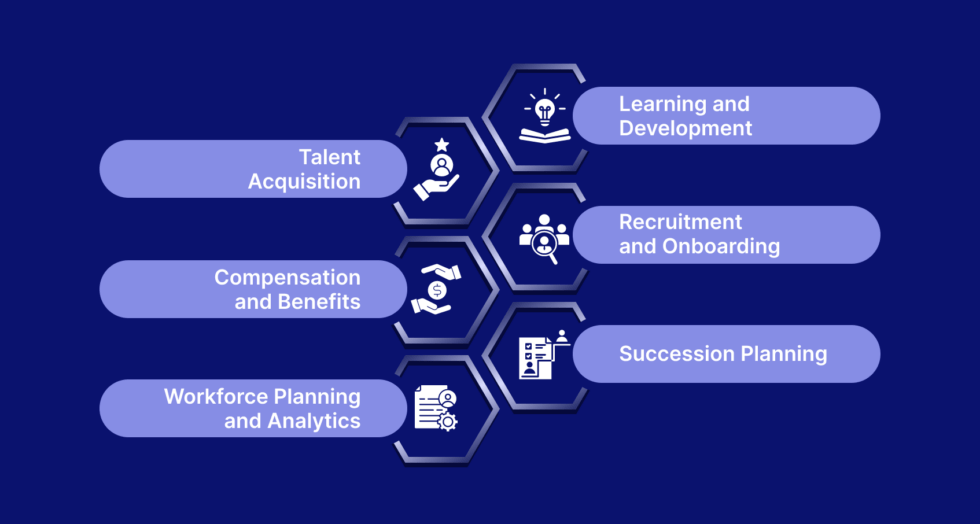
1. Understanding Generative AI in HR Operations
Generative AI refers to artificial intelligence systems that can create new content, whether that be text, images, or data, based on patterns it has learned from vast datasets. In HR operations, Generative AI assists by automating and enhancing several tasks that traditionally required significant time and human intervention. This technology enables HR teams to focus on more strategic activities, driving overall productivity and success.
For instance, one common application of Generative AI in HR operations is in recruitment. Traditionally, hiring managers and recruiters had to manually sift through resumes and candidate profiles. With Generative AI, this process can be accelerated by using AI to generate candidate profiles that meet job requirements or predict which applicants are the best fit for a role based on their experience and skills. This automated process saves time and reduces the potential for human error or unconscious bias.
2. Enhancing Recruitment with Generative AI
One of the most time-consuming aspects of HR operations is talent acquisition. Recruitment involves screening candidates, conducting interviews, and managing communication throughout the hiring process. Generative AI in HR operations helps streamline recruitment by automating these repetitive tasks.
For example, Generative AI can analyze resumes and automatically match candidates to open positions. It can assess qualifications, skills, and experience, reducing the time it takes to identify top talent. Moreover, AI-generated chatbots can engage with candidates in real-time, answering their questions and guiding them through the application process. These innovations improve candidate experience and ensure that hiring managers can focus on more complex decision-making.
Another key application of Generative AI in HR operations is predictive analytics in recruitment. AI can predict which candidates are most likely to succeed in a particular role based on past data and performance metrics. By relying on data-driven insights, HR teams can make more informed decisions, increasing the chances of hiring the right candidate while reducing turnover rates.
3. Improving Employee Onboarding and Training
Once a candidate is hired, the next critical phase is onboarding. This process typically involves a lot of documentation, orientation, and training, which can be overwhelming for both the new hire and HR teams. Generative AI in HR operations simplifies the onboarding process by automating tasks such as document generation, training schedules, and policy explanations.
For example, AI can generate personalized onboarding plans that cater to each new hire’s role, department, and skill set. Instead of providing generic materials, HR teams can offer tailored resources to ensure that new employees understand their responsibilities from day one. Additionally, Generative AI can be used to create virtual training environments where employees can practice skills in a simulated setting, ensuring they are well-prepared before taking on their roles.
This use of Generative AI in HR operations not only accelerates the onboarding process but also improves the overall employee experience, reducing the likelihood of early turnover and fostering better engagement from the start.
4. Supporting Employee Engagement and Retention
Employee engagement and retention are key challenges for HR departments. Generative AI in HR operations can help address these challenges by offering personalized insights into employee satisfaction and identifying areas where improvements can be made.
One way this technology can be applied is through sentiment analysis. AI tools can analyze employee feedback, surveys, and even communications to gauge overall morale and identify any concerns. This data can then be used to suggest personalized interventions, such as offering additional training, adjusting workloads, or introducing new wellness initiatives.
Generative AI can also help with career development planning. By analyzing an employee’s skills, interests, and career goals, AI can generate personalized development plans that outline potential career paths within the organization. This proactive approach not only helps employees feel valued but also aligns their aspirations with company objectives, leading to greater retention.
5. Automating Routine HR Tasks
Another significant advantage of using Generative AI in HR operations is its ability to automate routine administrative tasks. HR departments often handle repetitive tasks such as payroll processing, benefits management, and compliance reporting. These tasks are crucial but can take up valuable time that could be better spent on strategic initiatives.
Generative AI can automate these tasks by generating reports, processing payroll data, and ensuring compliance with regulations. This not only reduces the administrative burden on HR staff but also minimizes the risk of errors. Additionally, AI can monitor changes in labor laws and automatically update policies, ensuring that the organization remains compliant with the latest regulations.
By integrating Generative AI into daily HR operations, organizations can ensure that routine tasks are handled efficiently, freeing up HR professionals to focus on more impactful activities like employee development and organizational culture.
6. Data-Driven Decision Making in HR
Generative AI in HR operations enables data-driven decision-making by providing real-time insights into various HR metrics. HR teams can use AI-generated reports to analyze trends in employee performance, retention, and engagement. This data can be used to inform policies, identify potential issues before they become critical, and ensure that HR strategies align with the overall goals of the organization.
Moreover, AI can assist in workforce planning by predicting future staffing needs based on current trends and business growth. This allows HR departments to be proactive in their hiring efforts, ensuring they have the right talent in place to meet future demands.
Conclusion
Generative AI in HR operations is transforming the way organizations manage their human resources. From streamlining recruitment and onboarding to enhancing employee engagement and automating routine tasks, this technology is helping HR departments work more efficiently and strategically. By embracing Generative AI, organizations can not only improve their HR operations but also create a more engaging, data-driven, and future-ready workplace.
 Tech Business
Leave a comment