Introduction
Human Resources (HR) departments have long been tasked with managing complex, time-consuming processes such as recruitment, onboarding, employee engagement, and performance management. In recent years, the rise of digital technologies has transformed many aspects of HR, and now, generative AI is set to take this evolution even further. Generative AI in HR operations is enabling companies to streamline workflows, enhance decision-making, and improve employee experiences. This article explores how generative AI is reshaping HR operations and why it holds such transformative potential.
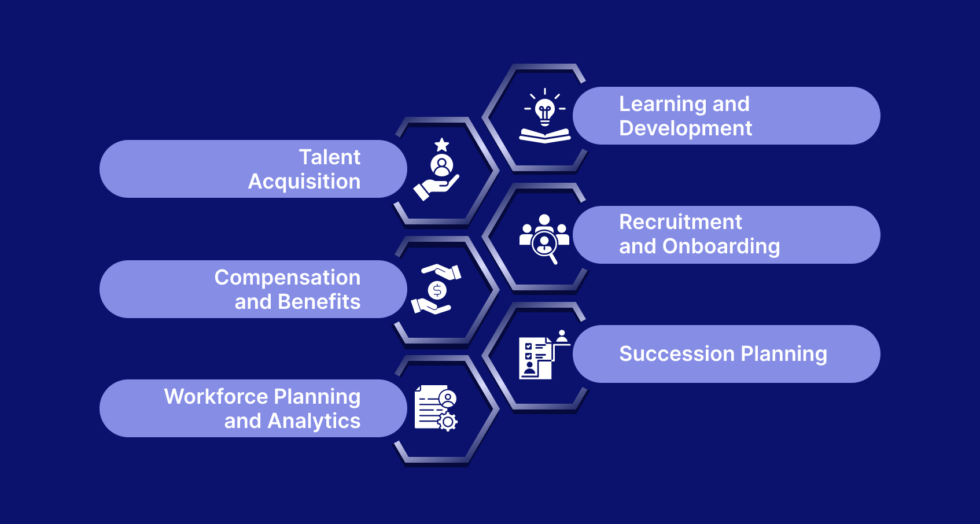
1. Generative AI: What It Means for HR Operations
Generative AI refers to algorithms that can create content, generate responses, and even simulate human-like conversation, using vast amounts of data. In HR operations, this technology can automate tasks that previously required significant human intervention. From generating job descriptions to analyzing employee feedback, generative AI can take on repetitive tasks, allowing HR professionals to focus on strategic decision-making.
For example, generative AI can be used to create personalized communication with candidates during recruitment processes, generate onboarding materials for new hires, and even predict employee turnover based on historical data. The adaptability of this technology enables HR departments to operate more efficiently, saving time and resources while improving outcomes.
2. How Generative AI Enhances Recruitment
Recruitment is one of the most critical functions in HR, and it is also one of the most time-intensive. Generative AI in HR operations is particularly useful in this domain, offering tools to assist with everything from resume screening to interview scheduling. Instead of HR personnel manually sorting through hundreds of resumes, generative AI can rapidly scan and filter applicants based on predefined criteria, identifying the most suitable candidates.
Additionally, AI-driven tools can generate job descriptions that are tailored to attract diverse candidates, minimizing human biases in the language used. This not only speeds up the hiring process but also promotes inclusivity, as AI can be programmed to avoid unconscious biases that may creep into human-written descriptions.
Moreover, generative AI can simulate interview questions, develop tailored candidate assessments, and even conduct preliminary interviews through conversational agents. These capabilities allow HR professionals to focus more on assessing fit and cultural alignment, rather than administrative tasks.
3. Improving Employee Engagement and Retention
Employee engagement and retention are crucial aspects of any HR operation, and generative AI can help in this area by providing real-time insights into employee sentiment. By analyzing internal communication data, surveys, and performance reviews, AI algorithms can generate insights that reveal potential issues before they become major problems. For example, generative AI can detect patterns indicating dissatisfaction or disengagement, allowing HR to intervene early with targeted solutions.
Generative AI in HR operations can also personalize employee development plans. Based on an individual’s performance data and career aspirations, AI tools can generate training recommendations, career advancement opportunities, and feedback mechanisms tailored to each employee. This personalized approach can boost motivation and encourage long-term employee retention, as employees feel more valued and understood.
Moreover, generative AI can facilitate continuous feedback loops by generating customized feedback based on an employee’s recent projects or performance reviews. This fosters a more open and communicative workplace, helping to build stronger relationships between employees and managers.
4. Streamlining Administrative HR Functions
Administrative tasks, such as payroll management, benefits administration, and compliance tracking, often consume a significant portion of HR’s time. Generative AI in HR operations is transforming these functions by automating much of the workload. For example, AI can generate payroll summaries, handle tax filings, and track changes in employee benefits with minimal human oversight.
Compliance is another area where generative AI proves invaluable. By continuously monitoring regulations and company policies, AI systems can generate compliance reports and flag potential issues before they arise. This reduces the likelihood of costly legal disputes and ensures that organizations remain compliant with labor laws and regulations.
Generative AI can also automate employee queries through AI-powered chatbots, answering questions related to benefits, leave policies, and payroll. This instant support improves employee satisfaction and allows HR professionals to focus on higher-level strategic tasks.
5. Data-Driven Decision Making in HR
One of the most powerful applications of generative AI in HR operations is its ability to generate data-driven insights. HR teams often struggle to make sense of vast amounts of employee data, from performance metrics to engagement surveys. Generative AI helps analyze this data and generate actionable insights that drive better decision-making.
For example, generative AI can forecast trends related to employee attrition, allowing companies to take proactive steps in retention strategies. Similarly, it can analyze patterns in employee productivity and suggest ways to improve efficiency. By leveraging data in this way, HR leaders can make more informed decisions that positively impact organizational performance.
Furthermore, generative AI in HR operations can create predictive models that assess potential risks and opportunities. These models provide HR with a deeper understanding of workforce dynamics, enabling them to plan for the future with greater accuracy and confidence.
6. Challenges and Considerations
While the benefits of generative AI in HR operations are clear, it is important to recognize potential challenges. One major concern is data privacy. HR departments deal with sensitive employee information, and ensuring that AI systems handle this data securely is paramount. Companies must invest in robust security protocols and comply with privacy regulations when deploying generative AI tools.
Another challenge is maintaining a human touch in HR processes. While AI can streamline and enhance efficiency, it is crucial to balance automation with human interaction. HR professionals need to ensure that employees still feel heard and valued, and not just managed by machines.
Lastly, the integration of generative AI in HR operations requires ongoing training and adaptation. HR teams must be familiar with AI tools to leverage them effectively, and companies should invest in upskilling their HR staff to work alongside these technologies.
Conclusion
Generative AI in HR operations is revolutionizing how organizations manage their workforce. From enhancing recruitment and employee engagement to streamlining administrative tasks and driving data-driven decision-making, generative AI offers immense potential to improve efficiency and outcomes in HR departments. However, it is essential to address challenges such as data privacy and maintaining the human element in HR practices. As this technology continues to evolve, its role in HR operations will only grow, helping organizations build more agile, efficient, and engaged workforces.
 Tech Business
Leave a comment