Introduction
Generative AI is rapidly changing the landscape of various industries, and hospitality is no exception. In an industry that thrives on creating memorable experiences, generative AI offers innovative ways to improve services, personalize guest interactions, and streamline operations. This article delves into the numerous ways in which generative AI is being applied in hospitality and how it is revolutionizing the guest experience.
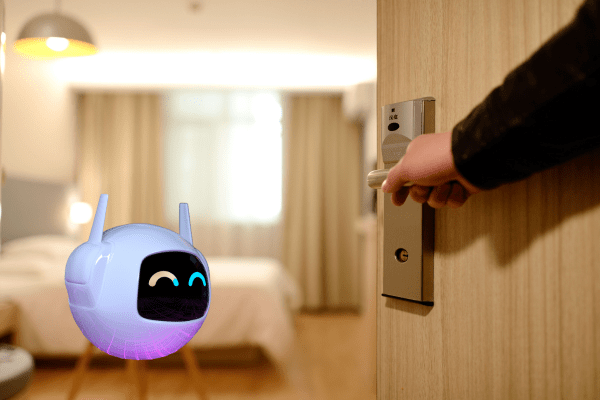
Enhancing Guest Experience with Generative AI
One of the most critical aspects of the hospitality industry is providing guests with a personalized and memorable experience. Generative AI plays a significant role in achieving this by analyzing guest preferences and generating customized suggestions. For example, hotels and resorts can now offer personalized room recommendations, activity itineraries, and even dining options based on guest preferences.
Generative AI can also enhance communication with guests. Through natural language processing, it can generate personalized responses and provide relevant information quickly. This can include recommendations for local attractions, restaurant suggestions, or even real-time answers to inquiries. By using generative AI in hospitality, hotels and resorts can ensure a seamless guest experience, making travelers feel valued and catered to.
Moreover, generative AI can craft immersive experiences by creating content that resonates with individual guests. From personalized greetings upon arrival to tailored room ambiance, AI systems can adjust the guest’s environment to match their preferences, providing a unique and memorable stay.
Streamlining Operations with Generative AI
Beyond enhancing guest experiences, generative AI is also making operations in the hospitality sector more efficient. It is being used to automate various routine tasks, allowing staff to focus on more complex, guest-facing responsibilities. For example, generative AI can help in generating work schedules for employees based on demand forecasts, reducing the workload for managers and ensuring optimal staffing levels.
Generative AI is also being used for dynamic pricing. By analyzing real-time data and market trends, AI systems can generate pricing strategies that optimize revenue while offering competitive rates to customers. This allows hospitality businesses to remain competitive in a fast-changing market without constant manual adjustments.
Additionally, inventory management is another area where generative AI is proving its value. By analyzing past usage data, AI systems can predict future inventory needs, ensuring that hotels and restaurants always have the right amount of stock. This minimizes waste and ensures efficient use of resources, further optimizing operations.
Generating Personalized Marketing Campaigns
In the competitive world of hospitality, marketing plays a crucial role in attracting guests. Generative AI can create personalized marketing campaigns based on individual preferences and behaviors. By analyzing data from past stays, preferences, and even browsing habits, AI systems can generate personalized emails, ads, and promotions tailored to each guest.
For example, AI can create personalized travel itineraries, highlighting offers for spa treatments, adventure activities, or dining experiences that appeal to specific guests. These customized promotions can significantly increase engagement and conversion rates, helping hospitality businesses reach their target audience more effectively.
Another application of generative AI in hospitality marketing is content creation. AI can generate blog posts, social media content, and even promotional videos that resonate with potential guests. By generating content that appeals to the unique tastes and preferences of the target audience, AI helps businesses stay relevant and engaging, ultimately driving more bookings.
Improving Customer Service with Generative AI
Customer service is at the heart of the hospitality industry, and generative AI is transforming how businesses interact with their guests. One of the most common applications is in chatbots and virtual assistants, where AI can generate instant, accurate responses to guest inquiries. These AI-powered assistants can handle common requests such as room service, booking modifications, or providing information about hotel amenities.
Additionally, generative AI can be integrated into feedback systems, helping hotels and resorts respond quickly to guest reviews. By generating personalized responses to both positive and negative feedback, businesses can demonstrate that they value guest opinions and are committed to improving their services. This responsiveness can lead to higher guest satisfaction and a better overall reputation.
In more advanced scenarios, generative AI can even predict guest needs before they are expressed. For example, based on a guest’s behavior or past interactions, AI can suggest room upgrades, late checkouts, or additional services like spa treatments. By anticipating needs, hotels can proactively enhance the guest experience and increase their chances of repeat bookings.
The Future of Generative AI in Hospitality
The future of generative AI in hospitality is filled with exciting possibilities. As AI systems continue to learn and improve, they will be able to offer even more personalized and efficient services. For example, we may see AI-generated travel itineraries that adapt in real time based on the guest’s changing preferences or AI-powered concierge services that can instantly book tickets or make reservations for guests without any human intervention.
Moreover, as sustainability becomes a bigger concern in the hospitality industry, generative AI can help businesses become more environmentally friendly. By analyzing data related to energy usage, food consumption, and other resources, AI can generate strategies for reducing waste and improving sustainability efforts.
Generative AI also holds promise in enhancing guest safety and security. AI systems can generate alerts based on unusual activity or detect patterns that may indicate potential issues, ensuring a safer environment for both guests and staff.
Conclusion
The integration of generative AI in hospitality is revolutionizing the way businesses operate and how they interact with guests. From enhancing personalized experiences to streamlining operations and improving customer service, generative AI offers numerous benefits to the hospitality sector. As this technology continues to evolve, its role in hospitality will only grow, helping businesses create more engaging, efficient, and innovative guest experiences.
In a highly competitive industry like hospitality, embracing generative AI is no longer just an option – it’s becoming essential for staying ahead of the curve. By leveraging the power of generative AI, hotels, resorts, and other hospitality businesses can enhance guest satisfaction, optimize operations, and drive long-term success.
 Tech Business
Leave a comment