Introduction to Generative AI in Automotive
Generative AI in automotive refers to the application of artificial intelligence techniques that create new designs, improve engineering processes, and enhance customer experiences in the automotive industry. This technology employs algorithms that can generate data or models, allowing manufacturers to innovate more rapidly and efficiently. By utilizing generative AI in automotive, companies can streamline operations and develop smarter, safer vehicles that cater to the evolving needs of consumers.
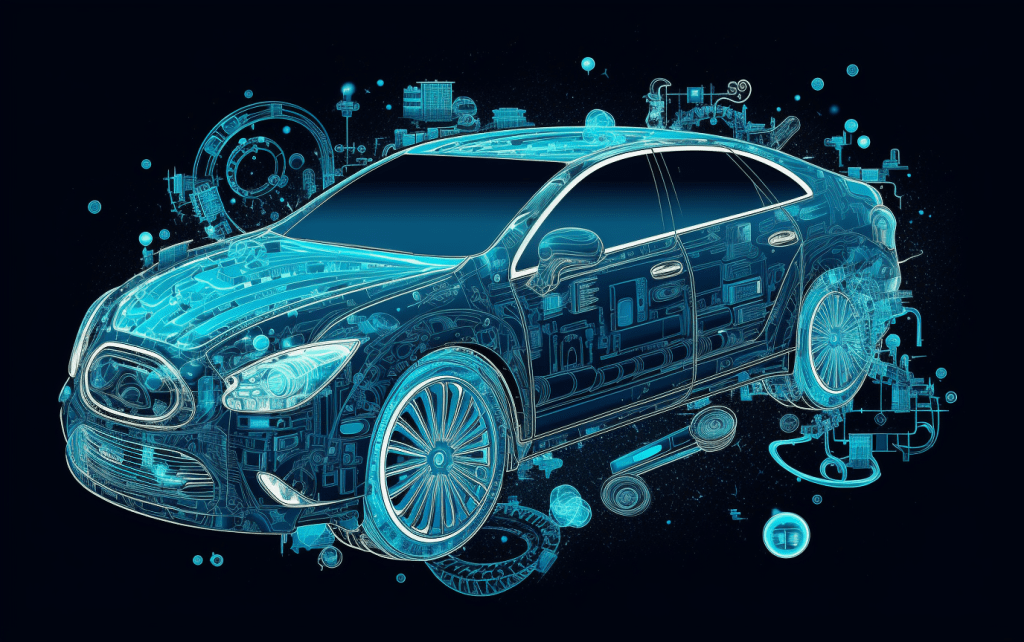
Enhancing Design Processes
One of the most significant benefits of generative AI in automotive is its impact on design processes. Traditional design methods often involve labor-intensive prototyping and testing. Generative AI changes this paradigm by enabling designers to create numerous design variations quickly. Using generative design algorithms, automotive engineers can input specific parameters, such as weight, strength, and material type, to generate optimized designs.
These algorithms can analyze vast datasets and identify design patterns that may not be obvious to human engineers. This results in lighter, stronger, and more efficient vehicle structures. Moreover, generative AI can reduce the time and costs associated with traditional design processes, allowing automotive companies to bring new models to market more rapidly.
Optimizing Manufacturing Processes
Generative AI in automotive also plays a crucial role in optimizing manufacturing processes. By analyzing production data, AI can identify inefficiencies and suggest improvements in real-time. For example, generative AI can forecast equipment failures, allowing manufacturers to perform preventative maintenance before a breakdown occurs.
Furthermore, this technology can assist in supply chain management. By predicting demand patterns and optimizing inventory levels, generative AI helps automotive companies reduce waste and improve resource allocation. This leads to cost savings and a more sustainable approach to production.
Improving Safety Features
Safety is paramount in the automotive industry, and generative AI significantly enhances safety features in vehicles. By analyzing historical accident data, AI can identify risk factors and generate predictive models that help manufacturers design safer vehicles. For instance, generative AI can simulate crash scenarios to assess how different designs respond to impacts, allowing engineers to optimize structural integrity and safety features.
Additionally, generative AI can improve advanced driver-assistance systems (ADAS). By processing vast amounts of data from sensors and cameras, AI can identify potential hazards and make real-time decisions to enhance vehicle safety. This leads to the development of more reliable autonomous driving systems that prioritize passenger safety.
Personalizing Customer Experiences
Generative AI in automotive also enables manufacturers to personalize customer experiences. By analyzing consumer preferences and behavior, AI can help companies create tailored marketing strategies and product offerings. For instance, generative AI can generate virtual showrooms, allowing customers to visualize different vehicle configurations and features before making a purchase.
Moreover, this technology can enhance in-car experiences by generating personalized recommendations for entertainment, navigation, and comfort settings. By understanding individual preferences, generative AI can create a more enjoyable driving experience, ultimately leading to increased customer satisfaction.
Sustainability and Environmental Impact
As the automotive industry faces growing pressure to reduce its environmental footprint, generative AI can play a vital role in promoting sustainability. By optimizing design and manufacturing processes, this technology can lead to the development of lighter, more fuel-efficient vehicles.
Moreover, generative AI can facilitate the use of sustainable materials by analyzing the environmental impact of various options. By generating models that prioritize eco-friendly materials, manufacturers can create vehicles that are not only efficient but also sustainable.
Additionally, generative AI can aid in developing electric and hybrid vehicles by optimizing battery design and performance. By simulating different configurations and materials, AI can help create batteries that are lighter, longer-lasting, and more efficient.
Challenges and Considerations
Despite the numerous benefits of generative AI in automotive, challenges remain. The complexity of integrating AI into existing systems can pose difficulties for manufacturers. Furthermore, the reliance on vast amounts of data raises concerns about data privacy and security. Companies must ensure that they have robust data management practices in place to protect sensitive information.
Additionally, there is a need for skilled professionals who understand both automotive engineering and AI technologies. As the industry evolves, training and education will be essential to develop a workforce capable of harnessing the full potential of generative AI in automotive.
Conclusion
Generative AI in automotive is revolutionizing the industry, offering innovative solutions that enhance design, optimize manufacturing, improve safety, personalize customer experiences, and promote sustainability. As technology continues to advance, it is crucial for automotive companies to embrace generative AI to remain competitive in a rapidly evolving market. By addressing the challenges associated with implementation and focusing on data management and workforce training, the automotive industry can fully leverage the benefits of generative AI, paving the way for a safer, more efficient, and sustainable future in transportation.
 Tech Business
Leave a comment