In today’s fast-paced digital landscape, the need for effective data management and processing solutions has never been greater. One emerging tool that has garnered attention is ZBrain. This article explores what ZBrain is and how to use it effectively to streamline your data processes, optimize performance, and enhance productivity.
Understanding ZBrain
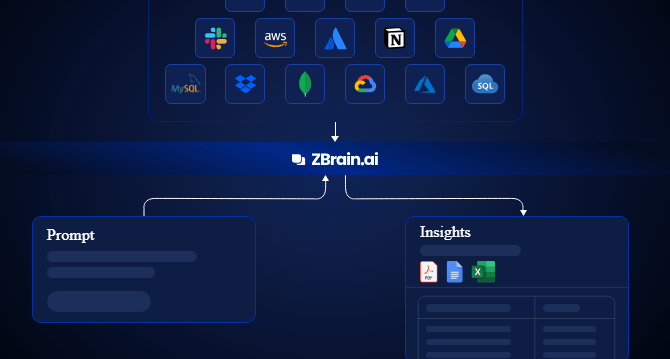
ZBrain is a sophisticated tool designed to manage and analyze vast amounts of data efficiently. It operates by leveraging advanced algorithms and machine learning techniques to process information quickly. This capability is particularly beneficial for organizations that handle large datasets, as it enables them to derive meaningful insights and make informed decisions.
Key Features of ZBrain
ZBrain comes with several features that make it a valuable asset for businesses and individuals alike:
- Data Integration: ZBrain allows users to connect various data sources seamlessly. This integration helps in consolidating information, making it easier to analyze and draw insights.
- Real-time Analytics: One of the standout features of ZBrain is its ability to provide real-time analytics. Users can monitor their data continuously and receive updates instantly, enabling quick decision-making.
- Customizable Dashboards: ZBrain offers customizable dashboards that allow users to visualize their data in meaningful ways. These dashboards can be tailored to display specific metrics and KPIs relevant to the user’s needs.
- Machine Learning Capabilities: By utilizing machine learning algorithms, ZBrain can identify patterns and trends within the data. This feature enhances the analytical power of the tool, enabling users to predict future outcomes based on historical data.
- User-Friendly Interface: ZBrain is designed with the user in mind. Its intuitive interface ensures that even those with limited technical expertise can navigate the tool effectively.
How to Use ZBrain
Now that we understand what ZBrain is, let’s delve into how to use it effectively. Whether you’re a seasoned data analyst or a beginner, following these steps will help you harness the full potential of ZBrain.
Step 1: Setting Up Your Account
The first step in using ZBrain is to create an account. Visit the official website and sign up by providing the necessary information. Once your account is set up, you will receive confirmation and instructions on how to access your dashboard.
Step 2: Connecting Data Sources
After logging in, the next step is to connect your data sources. ZBrain supports a variety of data formats and sources, including databases, spreadsheets, and cloud storage solutions. Navigate to the integration section of the dashboard and follow the prompts to link your desired data sources.
Step 3: Data Preparation
Once your data sources are connected, it’s essential to prepare your data for analysis. ZBrain provides tools for cleaning and transforming data, ensuring that it is ready for processing. Remove any duplicate entries, fill in missing values, and standardize formats as needed. This step is crucial for achieving accurate results in your analyses.
Step 4: Creating Custom Dashboards
With your data prepared, you can start creating custom dashboards. ZBrain’s user-friendly interface allows you to drag and drop various elements, such as charts, graphs, and tables, onto your dashboard. You can select which metrics to display based on your analysis needs. Custom dashboards provide a visual representation of your data, making it easier to identify trends and patterns.
Step 5: Running Analytics
Now comes the exciting part: running your analyses. ZBrain allows you to perform various types of analyses, including descriptive statistics, trend analysis, and predictive modeling. Select the analysis type that best suits your objectives, input your parameters, and run the analysis. The tool will quickly process the data and present the results in a comprehensible format.
Step 6: Interpreting Results
Once your analysis is complete, it’s time to interpret the results. ZBrain provides insights and recommendations based on the data processed. Take the time to review the findings carefully and consider how they apply to your specific situation. This step is crucial for making informed decisions based on the data.
Step 7: Continuous Monitoring and Updating
Finally, one of the key advantages of using ZBrain is its ability to monitor data continuously. After setting up your dashboards and analyses, ensure that you regularly update your data sources and refresh your analyses. This practice will help you stay informed about any changes in your data and adapt your strategies accordingly.
Conclusion
In summary, ZBrain is a powerful tool for data management and analysis, offering features that cater to the needs of various users. By understanding what ZBrain is and how to use it effectively, you can harness the power of your data to make informed decisions and enhance your productivity. Whether you’re a business leader looking to optimize operations or an individual seeking insights from your data, ZBrain provides the tools you need to succeed in today’s data-driven world. With its user-friendly interface and robust capabilities, ZBrain stands out as a reliable solution for managing and analyzing data efficiently.
 Tech Business
Leave a comment