Introduction
The rapid advancement of technology has ushered in a new era for businesses, and generative AI stands at the forefront of this evolution. As organizations strive to harness the power of artificial intelligence, the need for effective application development that prioritizes secure private data integration has become increasingly critical. This article explores the key components of generative AI application development with secure private data integration and outlines best practices for organizations looking to navigate this complex landscape.
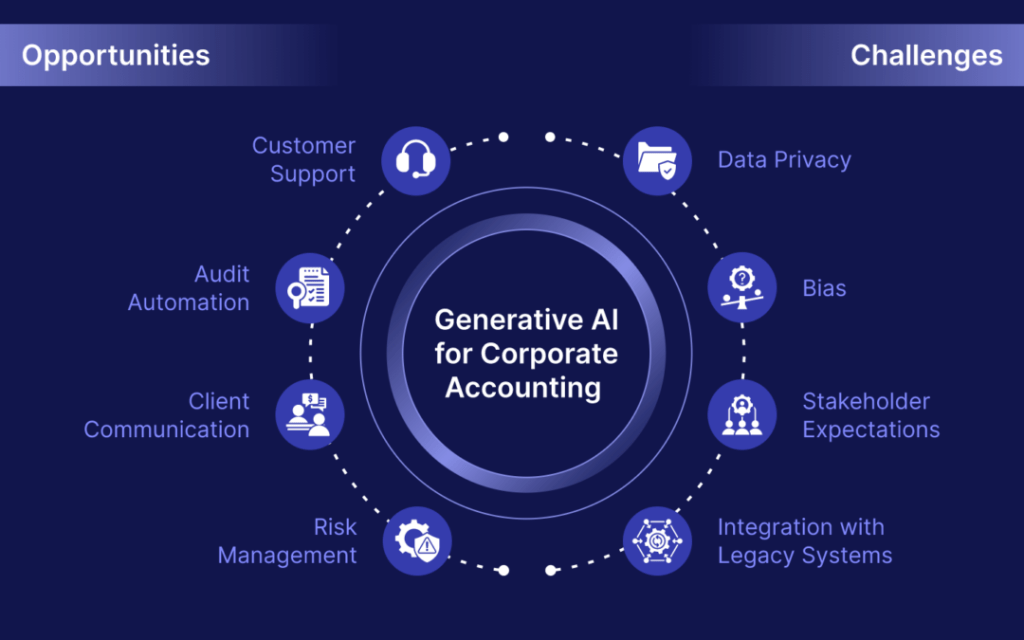
Understanding Generative AI
Generative AI refers to a category of artificial intelligence that can create new content, ranging from text and images to music and even complex simulations. By leveraging large datasets, generative AI models can learn patterns and generate outputs that mimic human creativity. This technology has the potential to revolutionize various sectors, including healthcare, finance, entertainment, and education.
The Importance of Secure Private Data Integration
In today’s digital landscape, data breaches and privacy concerns are rampant. Organizations must prioritize secure private data integration to build trust with users and comply with regulations like GDPR and CCPA. Here are some reasons why this is critical in generative AI application development:
- User Trust: Users are increasingly aware of their data rights. By implementing secure private data integration, organizations can demonstrate their commitment to safeguarding user information, fostering trust and loyalty.
- Regulatory Compliance: Non-compliance with data protection regulations can lead to hefty fines and legal repercussions. Secure private data integration ensures that organizations adhere to these regulations, reducing the risk of penalties.
- Data Integrity: Maintaining the integrity of data is crucial for the effectiveness of generative AI applications. Secure data integration prevents unauthorized access and manipulation, ensuring that the information used for training AI models remains accurate and reliable.
Key Components of Generative AI Application Development
1. Data Collection and Preparation
The foundation of any generative AI application lies in the data it uses. Organizations must focus on collecting high-quality data that is relevant to their objectives. This involves:
- Identifying Data Sources: Determine which data sources are most relevant to the application. This can include internal databases, third-party APIs, and public datasets.
- Data Cleaning: Raw data often contains errors or inconsistencies. Cleaning the data ensures that it is accurate and suitable for training AI models.
- Data Anonymization: To protect user privacy, organizations should anonymize sensitive data during the collection process. This helps mitigate the risk of exposure while still allowing the AI to learn from the data.
2. Secure Data Storage
Once data has been collected and prepared, secure storage solutions are necessary to protect it from unauthorized access. This involves:
- Encryption: Encrypting data both in transit and at rest ensures that even if data is intercepted, it remains unreadable without the appropriate decryption keys.
- Access Controls: Implement strict access controls to limit who can view or manipulate the data. Role-based access ensures that only authorized personnel can interact with sensitive information.
3. Model Training and Validation
The next step in generative AI application development is training the AI models. This phase involves using the prepared data to teach the AI how to generate content effectively. Key considerations include:
- Selecting Algorithms: Choosing the right algorithms is crucial for the success of generative AI applications. Different algorithms have varying strengths and weaknesses, so organizations should select those that best align with their goals.
- Validation: Regularly validating the models against real-world scenarios helps ensure that they produce reliable and relevant outputs. This also involves testing the models for biases and ensuring they don’t inadvertently generate harmful content.
4. Deployment and Monitoring
After training the models, organizations must deploy them within a secure infrastructure. This includes:
- Continuous Monitoring: Regularly monitor the application for potential security vulnerabilities and performance issues. This proactive approach helps identify and address problems before they escalate.
- User Feedback: Gathering user feedback is essential for ongoing improvement. This feedback can provide insights into how well the generative AI application meets user needs and expectations.
Best Practices for Secure Private Data Integration
To ensure effective generative AI application development with secure private data integration, organizations should consider the following best practices:
- Conduct Regular Audits: Regularly assess data practices and compliance with privacy regulations to identify areas for improvement.
- Invest in Training: Educate employees about data security best practices and the importance of secure private data integration.
- Implement Data Governance Policies: Establish clear data governance policies that outline how data is collected, stored, and used. This helps ensure consistency and compliance across the organization.
- Utilize Privacy-Enhancing Technologies: Consider adopting privacy-enhancing technologies, such as differential privacy and federated learning, which allow organizations to train models without exposing sensitive data.
Conclusion
Generative AI application development with secure private data integration is a complex yet essential undertaking for organizations aiming to leverage the power of artificial intelligence. By prioritizing secure data practices, organizations can build trust with users, comply with regulations, and create innovative applications that respect user privacy. As technology continues to evolve, the integration of secure private data practices will remain a cornerstone of responsible AI development.
 Tech Business
Leave a comment