Introduction to Enterprise AI Development
In today’s rapidly evolving technological landscape, the integration of artificial intelligence (AI) into business processes has emerged as a game-changer. Enterprise AI development refers to the strategies, tools, and practices that organizations employ to harness AI capabilities for enhancing operational efficiency, improving decision-making, and driving innovation. As companies strive to remain competitive, the demand for robust enterprise AI solutions is surging, making it imperative for organizations to understand the fundamentals of this transformative technology.
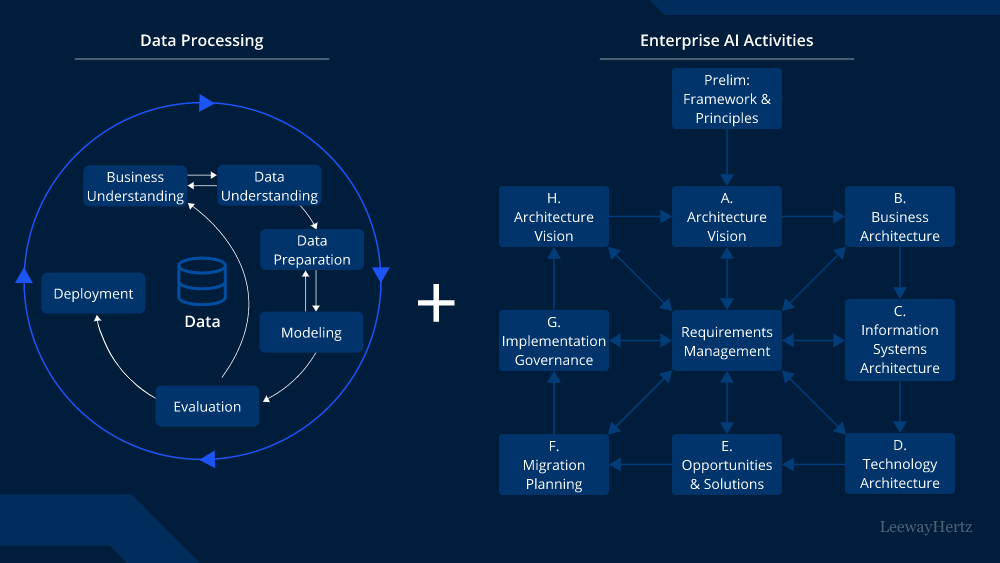
Understanding Enterprise AI Development
At its core, enterprise AI development involves creating AI models and systems tailored to meet the specific needs of an organization. This process encompasses various stages, including data collection, model training, deployment, and ongoing maintenance. Organizations can leverage different types of AI technologies, such as machine learning, natural language processing, and computer vision, to solve complex business challenges and streamline operations.
- Data Collection and Preparation: The foundation of any successful enterprise AI development project lies in data. Organizations must gather relevant data from multiple sources, ensuring that it is accurate, comprehensive, and structured. Data cleaning and preprocessing are crucial steps to eliminate inconsistencies and prepare the data for model training.
- Model Training: Once the data is prepared, the next step involves selecting appropriate algorithms and training AI models. This phase is critical as the effectiveness of the AI solution largely depends on the quality of the training process. Organizations often utilize various frameworks and tools to facilitate model training, enabling them to build predictive models that align with their business objectives.
- Deployment: After successfully training the AI models, organizations must deploy them into their existing systems. This step involves integrating AI solutions with current workflows and ensuring that they can operate seamlessly within the enterprise environment. Proper deployment is essential for maximizing the benefits of enterprise AI development.
- Monitoring and Maintenance: Post-deployment, continuous monitoring and maintenance of AI systems are vital to ensure optimal performance. Organizations must regularly evaluate the accuracy and efficiency of their AI solutions, making adjustments as necessary to adapt to changing business needs and environmental factors.
The Benefits of Enterprise AI Development
The adoption of enterprise AI development brings a plethora of benefits to organizations. By automating routine tasks, enhancing data analysis, and facilitating better decision-making, enterprises can unlock significant value. Here are some of the key advantages:
- Increased Efficiency: One of the primary benefits of enterprise AI development is the ability to automate repetitive tasks. By utilizing AI-driven automation, organizations can reduce human error, save time, and allocate resources more effectively. This efficiency allows employees to focus on higher-value tasks, ultimately improving overall productivity.
- Enhanced Decision-Making: AI systems can analyze vast amounts of data quickly and accurately, providing organizations with valuable insights. These insights empower decision-makers to make informed choices based on data-driven recommendations rather than relying solely on intuition. The ability to process information at scale helps organizations respond swiftly to market changes and customer demands.
- Improved Customer Experience: Through enterprise AI development, organizations can personalize customer interactions by leveraging data to understand customer preferences and behaviors. AI-driven solutions, such as chatbots and recommendation systems, enhance the customer experience by providing timely and relevant information. This personalization fosters customer loyalty and satisfaction.
- Innovation and Competitive Advantage: Implementing enterprise AI development enables organizations to innovate and stay ahead of the competition. By leveraging AI technologies, companies can identify emerging trends, streamline product development processes, and explore new business models. This proactive approach positions organizations as leaders in their respective industries.
Challenges in Enterprise AI Development
While the benefits of enterprise AI development are significant, organizations may encounter challenges during implementation. Understanding these obstacles can help businesses prepare for a successful AI adoption journey.
- Data Privacy and Security: As organizations collect and process vast amounts of data, ensuring data privacy and security becomes paramount. Compliance with regulations such as GDPR and CCPA is essential to protect sensitive information. Organizations must implement robust security measures to mitigate risks associated with data breaches.
- Skill Gap and Talent Shortage: The successful implementation of enterprise AI development requires skilled professionals who understand AI technologies and their applications. However, there is often a shortage of qualified talent in the field. Organizations must invest in training and development programs to equip their teams with the necessary skills to drive AI initiatives.
- Integration Challenges: Integrating AI solutions into existing systems and processes can be complex. Organizations must ensure that their IT infrastructure is compatible with new AI technologies. Additionally, resistance to change from employees can hinder the adoption of AI solutions. Effective change management strategies are essential to facilitate a smooth transition.
The Future of Enterprise AI Development
As AI technologies continue to evolve, the future of enterprise AI development looks promising. Organizations that embrace AI are likely to gain a competitive edge by harnessing the power of data and automation. Key trends to watch include:
- Increased Focus on Ethical AI: As AI becomes more prevalent, organizations will prioritize ethical considerations in their AI strategies. This focus on transparency, fairness, and accountability will be crucial for building trust with customers and stakeholders.
- Collaborative AI: The future of enterprise AI development will involve collaboration between humans and AI systems. Rather than replacing human roles, AI will augment human capabilities, enabling teams to work more effectively together.
- Democratization of AI: As tools and platforms for AI development become more accessible, a broader range of organizations, including small and medium-sized enterprises, will be able to leverage AI. This democratization will lead to increased innovation and diversity in AI applications.
Conclusion
Enterprise AI development holds immense potential for transforming the way organizations operate. By leveraging AI technologies, businesses can enhance efficiency, improve decision-making, and drive innovation. However, successful implementation requires a strategic approach that addresses challenges such as data privacy, talent shortages, and integration complexities. As the future unfolds, organizations that embrace enterprise AI development will position themselves for success in a data-driven world.
 Tech Business
Leave a comment