Introduction to Generative AI in IT
Generative AI in IT is revolutionizing the way organizations approach software development, data management, and decision-making processes. As this technology evolves, it offers innovative solutions that improve efficiency and foster creativity. Generative AI systems can analyze vast amounts of data and generate new content, applications, or solutions based on their findings. This capability is proving invaluable across various sectors, enabling businesses to stay competitive in an increasingly digital landscape.
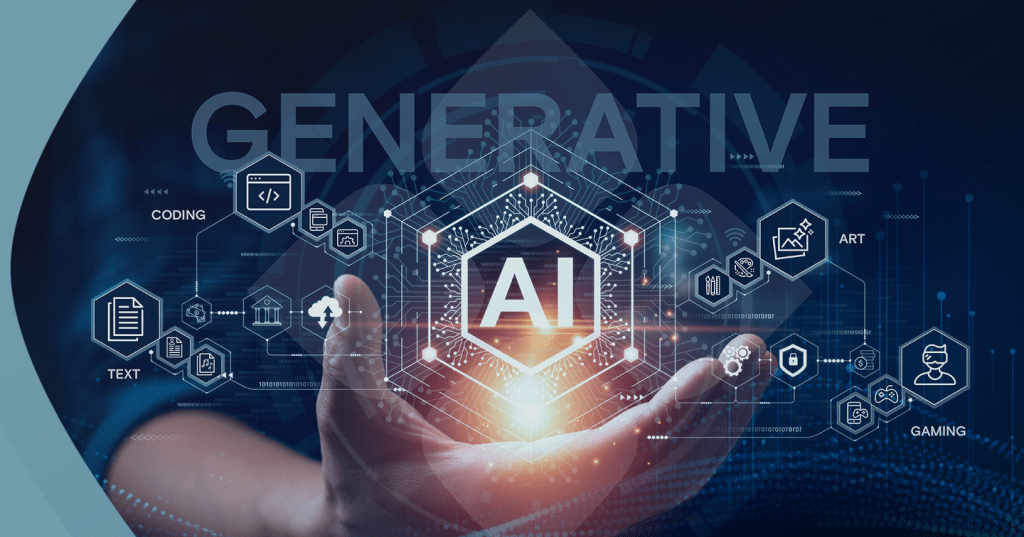
Understanding Generative AI in IT
Generative AI refers to algorithms that can create new content, ranging from text and images to software code and system architectures. In the context of IT, these algorithms leverage large datasets to learn patterns and structures, enabling them to produce outputs that resemble human-created content. By employing techniques such as deep learning, neural networks, and natural language processing, generative AI in IT has opened new avenues for automating tasks and enhancing productivity.
Key Features of Generative AI in IT
- Automation of Routine Tasks: One of the most significant advantages of generative AI in IT is its ability to automate repetitive tasks. For instance, it can generate code snippets, perform data analysis, or even create documentation, allowing IT professionals to focus on more strategic initiatives.
- Enhanced Creativity: Generative AI can support creative processes by generating multiple solutions or variations for a given problem. This feature is particularly useful in software development, where different coding approaches can be explored quickly.
- Improved Data Analysis: Generative AI excels at processing and analyzing large datasets, uncovering trends and insights that may not be immediately apparent. This capability aids in informed decision-making and strategic planning.
- Personalization: In IT, generative AI can be used to tailor applications and services to meet individual user needs. By analyzing user behavior, it can suggest improvements or new features that enhance the user experience.
Applications of Generative AI in IT
Generative AI in IT has a broad range of applications that can benefit various sectors. Here are some notable examples:
1. Software Development
Generative AI tools can automate code generation and testing, reducing the time and effort required for software development. These tools can analyze existing codebases and suggest optimizations or bug fixes, ensuring higher code quality and reliability.
2. Cybersecurity
In cybersecurity, generative AI can be employed to identify vulnerabilities and generate defense mechanisms against potential threats. By simulating attack scenarios, organizations can strengthen their security protocols and protect sensitive data.
3. IT Support and Help Desks
Generative AI can enhance IT support systems by providing automated responses to common queries and troubleshooting steps. This not only improves efficiency but also allows IT staff to focus on more complex issues.
4. Data Management
Managing and analyzing large volumes of data is a critical challenge in IT. Generative AI in IT can streamline this process by automatically categorizing, tagging, and generating reports based on data insights, making it easier for organizations to leverage their data for strategic decisions.
Challenges and Considerations
Despite the numerous benefits of generative AI in IT, organizations must be aware of the challenges associated with its implementation. Some of the key considerations include:
1. Data Quality and Privacy
The effectiveness of generative AI is heavily reliant on the quality of the data it is trained on. Poor data quality can lead to inaccurate outputs. Additionally, organizations must ensure compliance with data privacy regulations when handling sensitive information.
2. Integration with Existing Systems
Integrating generative AI tools into existing IT infrastructures can be complex. Organizations need to assess compatibility with their current systems and processes, which may require significant investment and resources.
3. Ethical Implications
As generative AI in IT continues to evolve, ethical concerns surrounding its use must be addressed. Organizations should develop guidelines and policies to ensure responsible use of AI, particularly in sensitive areas like data privacy and security.
Future of Generative AI in IT
The future of generative AI in IT is promising, with ongoing advancements expected to drive further innovation. As technology continues to evolve, we can anticipate enhanced capabilities that will transform how organizations operate. Future developments may include improved natural language processing, better integration with other technologies, and advanced predictive analytics.
Conclusion
In conclusion, generative AI in IT is reshaping the landscape of technology and business operations. Its ability to automate processes, enhance creativity, and improve data analysis makes it a powerful tool for organizations looking to stay ahead in a competitive environment. By understanding its applications, challenges, and future potential, businesses can effectively harness the power of generative AI to drive innovation and achieve their goals. As this technology matures, it will undoubtedly play a central role in the evolution of IT and its applications across various sectors.
 Tech Business
Leave a comment