Introduction to AI Agents in HR
In today’s fast-paced work environment, organizations face the challenge of effectively managing employee training and development. This is where the AI Agent in HR comes into play, revolutionizing how companies approach employee learning. One of the most innovative tools is the Training Module Assignment Agent, designed to enhance the training process by leveraging generative AI. This powerful technology not only organizes training modules based on employees’ roles and development needs but also significantly improves efficiency in human resources (HR) management.
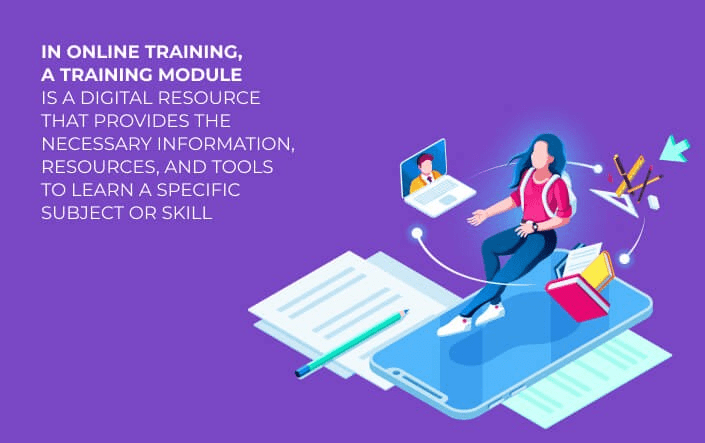
The Importance of Effective Training
Employee training is critical for any organization looking to stay competitive. Proper training ensures that employees are equipped with the necessary skills to perform their jobs effectively. However, the traditional methods of assigning training modules can be time-consuming and prone to errors. Manually sorting through countless training options often leads to misalignment between the training provided and the actual needs of employees. The AI Agent in HR addresses these challenges head-on, automating the assignment process and ensuring that employees receive relevant training tailored to their unique development paths.
How the Training Module Assignment Agent Works
The Training Module Assignment Agent utilizes advanced algorithms and machine learning techniques to analyze employee profiles, job roles, and development goals. By examining this data, the AI Agent can categorize training modules into relevant segments. Here’s how the process typically works:
- Data Collection: The AI Agent gathers data from various sources, including employee profiles, job descriptions, and performance reviews. This comprehensive data collection is crucial for accurate training module assignments.
- Module Categorization: Using generative AI, the agent organizes training modules into categories that align with employees’ roles. This step is vital for ensuring that employees receive training that is directly applicable to their job functions.
- Automated Assignment: Once the modules are categorized, the AI Agent automatically assigns relevant training to employees. This eliminates the manual task of sifting through training options, freeing up HR professionals to focus on strategic initiatives.
- Continuous Improvement: The AI Agent is designed to learn and adapt over time. As employees complete training and provide feedback, the system refines its categorization and assignment process, ensuring ongoing relevance and effectiveness.
Benefits of Using an AI Agent in HR
1. Increased Efficiency
The most immediate benefit of the Training Module Assignment Agent is the increase in efficiency for HR teams. By automating the training assignment process, HR professionals can save valuable time that can be redirected towards more strategic tasks. This allows for a more proactive approach to employee development, rather than a reactive one.
2. Enhanced Accuracy
Manual assignment of training modules can lead to errors, with employees sometimes receiving irrelevant training. The AI Agent in HR enhances accuracy in training distribution, ensuring that employees are equipped with the knowledge and skills they need. This precision is especially critical in sectors where compliance training is mandatory, as it reduces the risk of non-compliance.
3. Improved Employee Readiness
With more relevant training assignments, employees are better prepared for their roles. The Training Module Assignment Agent ensures that employees are not only engaged with the material but also able to apply what they have learned in their daily tasks. This readiness translates to increased productivity and job satisfaction.
4. Accelerated Onboarding Processes
For new hires, the training experience can make or break their integration into a company. The AI Agent in HR streamlines the onboarding process by providing tailored training modules right from the start. New employees can quickly gain the skills and knowledge necessary to perform their jobs effectively, leading to faster acclimatization and a smoother transition.
Strategic Implications for HR Professionals
The integration of an AI Agent in HR has profound implications for the strategic role of HR professionals. By automating routine tasks like training assignments, HR teams can focus on higher-level functions such as talent management, workforce planning, and employee engagement strategies. This shift not only enhances the overall effectiveness of HR departments but also positions them as key players in driving organizational success.
Challenges and Considerations
While the benefits of a Training Module Assignment Agent are substantial, organizations should also be mindful of potential challenges. Implementing such technology requires a thoughtful approach, including:
- Data Privacy: Ensuring that employee data is handled securely and in compliance with privacy regulations is paramount.
- Change Management: Transitioning to an AI-driven process may meet resistance from employees accustomed to traditional methods. Effective communication and training are essential for successful implementation.
- Continuous Monitoring: Regularly assessing the effectiveness of the AI Agent’s assignments is necessary to maintain its relevance and utility.
Conclusion
The Training Module Assignment Agent represents a significant advancement in how organizations manage employee training and development. By utilizing an AI Agent in HR, companies can automate the assignment process, increase efficiency, enhance accuracy, and improve employee readiness. As organizations continue to navigate the complexities of workforce development, embracing such innovative solutions will be key to staying competitive and fostering a culture of continuous learning. The future of employee training is here, and it is powered by generative AI.
 Tech Business
Leave a comment