Contracts are an essential part of any legal framework. They serve as binding agreements between parties, ensuring that both sides understand their rights, responsibilities, and obligations. As businesses and legal systems evolve, so too does the need for efficient contract management. In recent years, AI agents in legal have emerged as a groundbreaking technology that is transforming how contracts are handled, reviewed, and enforced.
What Are Contracts in Legal?
At its core, a contract is a legally binding agreement between two or more parties. Contracts can take many forms, including employment agreements, service contracts, real estate deals, and more. In the legal world, contracts play a critical role in defining the relationships between individuals, companies, and other entities. They establish clear terms for transactions and interactions, offering a level of protection and clarity that helps avoid disputes.
Contracts are necessary to ensure that promises made by parties are enforceable by law. Without them, businesses would face greater risks, including ambiguity, miscommunication, and a lack of recourse in case of breach of terms. However, managing contracts can be a complex and time-consuming task, especially in a fast-paced legal environment. This is where AI agents in legal come into play.
Traditional Challenges in Contract Management
Contract management traditionally requires significant manual effort from legal teams. The process involves drafting, reviewing, negotiating, and finalizing contracts, as well as ensuring compliance with legal and regulatory requirements. Some of the common challenges faced by legal professionals include:
- Time-Consuming Processes: Reviewing lengthy legal documents and ensuring that all clauses are correct and compliant can be a tedious task.
- Human Error: Even seasoned legal professionals can overlook important details or make mistakes, potentially leading to costly disputes.
- Lack of Standardization: Contracts often vary in format, language, and structure, which makes it difficult to implement a standardized review process.
- High Costs: Legal services, especially contract management, can be expensive, particularly when working with high volumes of documents.
Addressing these challenges requires innovation, and this is where AI agents in legal are making a significant impact.
The Rise of AI Agents in Legal
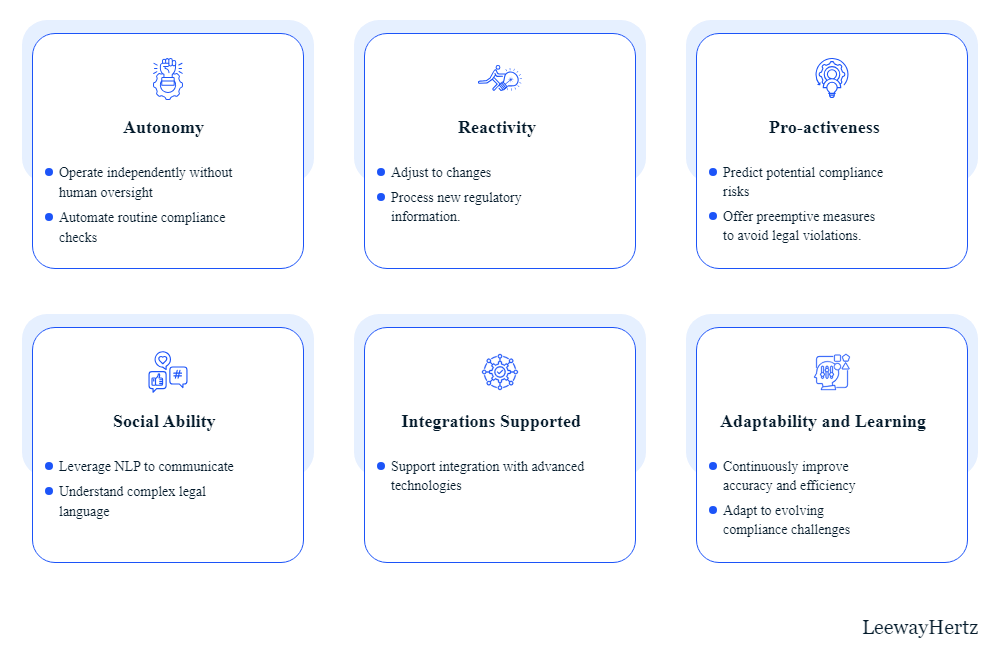
AI agents in legal are software programs or systems designed to mimic human intelligence and assist in legal tasks, such as contract management. These AI agents can analyze and process large volumes of legal documents quickly and efficiently, automating many of the tasks that were previously handled manually. Their capabilities range from identifying potential risks in contracts to recommending revisions and flagging non-compliant clauses.
The use of AI agents in legal is reshaping how contracts are managed. Here’s how:
How AI Agents in Legal Transform Contract Management
1. Automated Contract Review
One of the most significant ways AI agents in legal are revolutionizing contract management is through automated review. AI systems can analyze contracts for key terms, conditions, and clauses, identifying any areas that may require attention or revision. By automating this process, legal professionals can save time and reduce the risk of human error.
For example, AI agents can quickly flag discrepancies, inconsistencies, or ambiguous language in contracts. They can also check whether the contract complies with relevant laws and regulations, ensuring that legal standards are met without extensive manual input.
2. Risk Mitigation
AI agents in legal are also effective in risk mitigation. Contracts often contain complex language, which can be difficult to interpret. AI agents can analyze this language, identifying potential risks and flagging clauses that may expose one party to undue liability. This helps legal teams address risks early in the contract lifecycle, potentially avoiding costly legal disputes in the future.
AI-driven risk assessment ensures that all parties have a clear understanding of the risks involved in entering a contract. Additionally, AI agents in legal can provide suggestions for mitigating those risks, whether by revising clauses or adding new protective terms.
3. Contract Drafting and Standardization
Drafting contracts is another area where AI agents in legal excel. AI systems can generate contract templates, ensuring consistency across documents. These templates can be customized to suit the specific needs of a business or legal team, allowing for greater efficiency and reduced chances of error.
Moreover, AI agents can help legal professionals draft contracts faster by suggesting standard clauses based on predefined rules. This eliminates the need to start from scratch every time a new contract is created. By standardizing language and structure, AI agents streamline the drafting process, making it easier to produce high-quality contracts in less time.
4. Data Extraction and Insights
Contracts contain vast amounts of data, which can be difficult to extract manually. AI agents in legal can automatically extract key data points from contracts, such as payment terms, deadlines, and renewal dates. This information can then be organized into a centralized system, making it easier for legal teams to access and analyze contract data.
By providing insights from contract data, AI agents enable better decision-making. Legal teams can quickly identify trends, risks, and opportunities based on the information extracted by AI, allowing them to act proactively rather than reactively.
The Future of Contracts and AI Agents in Legal
As AI technology continues to evolve, AI agents in legal will play an even more integral role in contract management. The ability to handle large volumes of documents, reduce errors, and mitigate risks will become increasingly valuable as businesses grow and legal frameworks become more complex.
While AI agents in legal will not replace human expertise, they serve as powerful tools that complement the work of legal professionals. By automating repetitive tasks and providing actionable insights, AI agents allow legal teams to focus on more strategic aspects of contract management and other legal matters.
Conclusion
Contracts are a cornerstone of the legal field, defining the terms of business relationships and ensuring compliance with the law. Traditionally, managing contracts has been a time-consuming and error-prone process. However, with the advent of AI agents in legal, contract management is being transformed. By automating contract review, mitigating risks, standardizing drafting processes, and extracting valuable data, AI agents are empowering legal professionals to work more efficiently and effectively.
As the legal industry continues to adopt AI-driven solutions, the role of AI agents in legal will only grow, offering new possibilities for improving the way contracts are created, managed, and enforced.
 Tech Business
Leave a comment