In the ever-evolving landscape of procurement, ensuring product quality has become increasingly vital. As companies strive for operational excellence, AI agents in procurement are emerging as powerful tools for monitoring and enhancing product quality. This article explores the significance of AI agents in procurement, their functionalities, benefits, and the future of quality assurance in procurement processes.
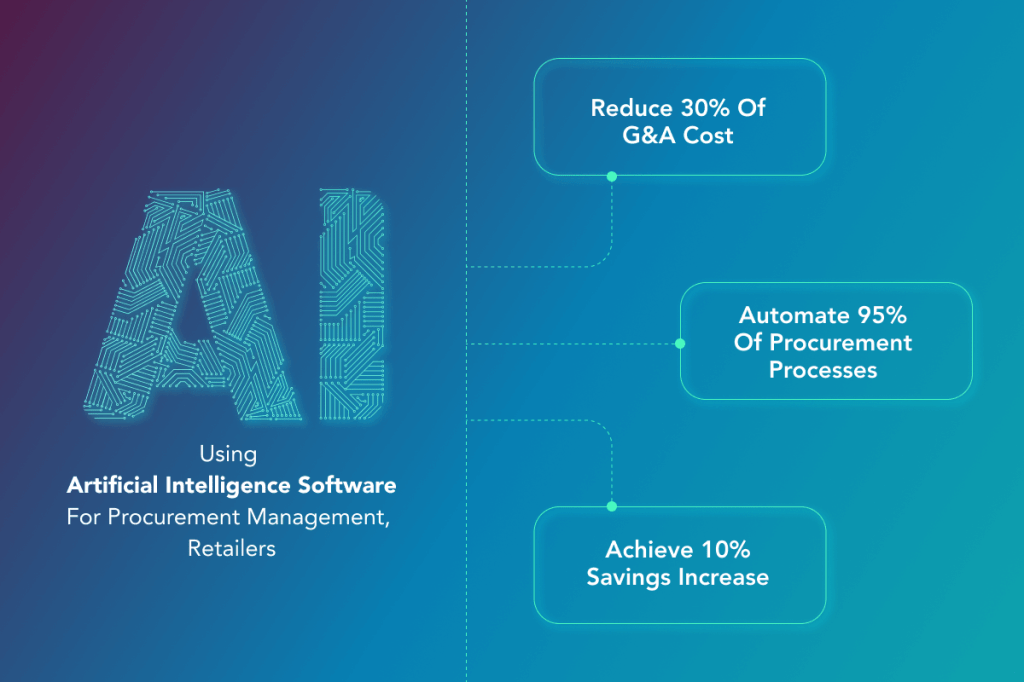
Understanding AI Agents in Procurement
AI agents in procurement refer to advanced software systems that utilize artificial intelligence to automate and optimize various procurement tasks. These agents are designed to analyze vast amounts of data, learn from patterns, and make informed decisions to enhance the procurement process. One of the key areas where these agents shine is in product quality monitoring.
The Importance of Product Quality Monitoring
Product quality monitoring is essential in procurement for several reasons. First and foremost, high-quality products ensure customer satisfaction and loyalty. Poor-quality products can lead to increased returns, damaged reputations, and loss of market share. Furthermore, monitoring product quality helps organizations comply with regulatory standards and industry norms, reducing legal risks and liabilities.
Incorporating AI agents in procurement enables organizations to establish robust quality monitoring systems. These agents can assess suppliers’ performance, track product specifications, and analyze data from various sources, including customer feedback and product testing results.
Key Functions of AI Agents in Product Quality Monitoring
Data Collection and Analysis
AI agents in procurement are adept at gathering and analyzing data from multiple sources. They can compile information from supplier databases, customer reviews, and industry benchmarks. By utilizing machine learning algorithms, these agents can identify trends and patterns that may indicate quality issues. For example, if a particular supplier consistently receives negative feedback regarding a specific product, the AI agent can flag this issue for further investigation.
Real-Time Monitoring
One of the most significant advantages of AI agents in procurement is their ability to monitor product quality in real time. These agents can continuously track product performance metrics, such as defect rates and compliance with specifications. By providing real-time insights, organizations can address quality issues promptly, preventing larger problems down the line. This proactive approach is essential for maintaining product quality and minimizing disruptions in the supply chain.
Supplier Evaluation and Risk Assessment
AI agents in procurement play a crucial role in evaluating suppliers based on their quality performance. By analyzing historical data and performance metrics, these agents can assign risk scores to suppliers. Organizations can then use these scores to make informed decisions about which suppliers to engage with. This not only helps in selecting reliable suppliers but also encourages suppliers to maintain high standards of quality to avoid being flagged as high-risk.
Benefits of AI Agents in Procurement
Improved Efficiency
Integrating AI agents in procurement streamlines the product quality monitoring process. By automating data collection and analysis, organizations can significantly reduce the time and effort spent on manual quality checks. This increased efficiency allows procurement teams to focus on more strategic tasks, such as supplier relationship management and cost negotiations.
Enhanced Decision-Making
The insights generated by AI agents empower procurement professionals to make data-driven decisions. With access to accurate and timely information, organizations can respond swiftly to quality issues and adjust their procurement strategies accordingly. This enhanced decision-making capability leads to improved product quality, cost savings, and increased competitiveness in the market.
Cost Reduction
By preventing quality issues before they escalate, AI agents in procurement can lead to significant cost savings. Addressing product defects early in the supply chain reduces the likelihood of returns, rework, and regulatory fines. Furthermore, by optimizing supplier selection based on quality performance, organizations can negotiate better contracts and minimize the risks associated with low-quality products.
Challenges and Considerations
While the benefits of AI agents in procurement are substantial, there are also challenges to consider. Data privacy and security are paramount, as these agents handle sensitive information about suppliers and products. Organizations must ensure they have robust security measures in place to protect this data.
Additionally, the successful implementation of AI agents in procurement requires a cultural shift within the organization. Procurement teams must be willing to embrace technology and adapt to new processes. Training and support are crucial to help employees effectively use these tools and maximize their potential.
The Future of Product Quality Monitoring in Procurement
As technology continues to advance, the role of AI agents in procurement will only grow. Future developments may include even more sophisticated algorithms for predictive analysis, enabling organizations to anticipate quality issues before they arise. Additionally, the integration of AI agents with other emerging technologies, such as the Internet of Things (IoT), will further enhance product quality monitoring capabilities.
In conclusion, AI agents in procurement are revolutionizing the way organizations monitor product quality. By automating data collection, providing real-time insights, and facilitating supplier evaluation, these agents empower procurement professionals to enhance quality assurance processes. As businesses continue to recognize the value of high-quality products, the adoption of AI agents in procurement will likely become a standard practice, driving efficiency, cost savings, and customer satisfaction in the future.
 Tech Business
Leave a comment