Introduction: Understanding the Role of AI Agents in Customer Support
In today’s fast-paced digital world, businesses are constantly seeking ways to improve customer satisfaction while also reducing operational costs. One of the most innovative solutions to this challenge is the use of AI agents for customer support. These advanced, machine-learning-driven tools are designed to handle customer inquiries efficiently, offering a personalized experience without the need for human intervention. As businesses continue to embrace AI technology, AI agents for customer support are becoming an indispensable part of modern customer service strategies.
What Are AI Agents for Customer Support?
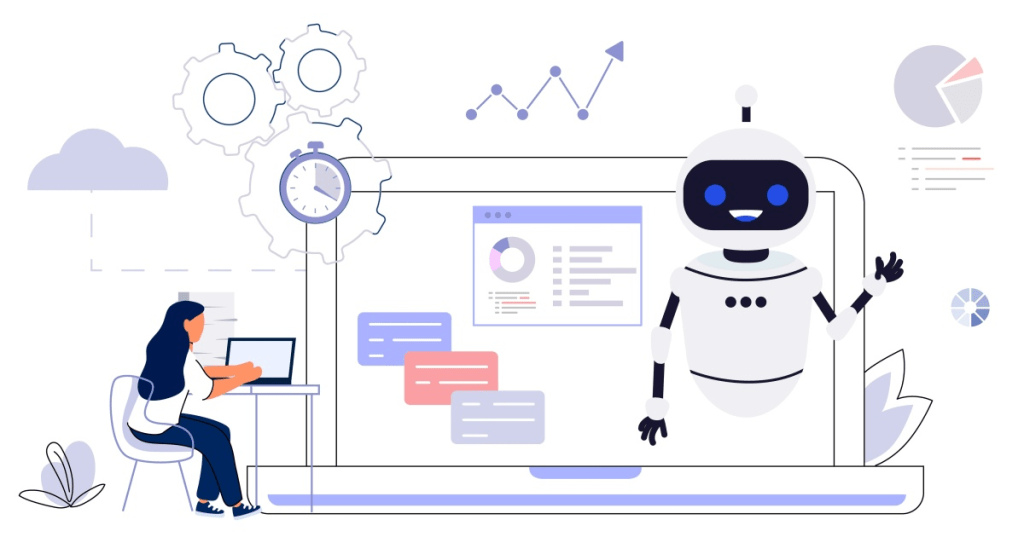
AI agents for customer support are intelligent software programs that leverage artificial intelligence to interact with customers in real-time. These agents can perform various tasks, such as answering questions, providing solutions to problems, and guiding customers through processes. They are capable of understanding and processing natural language, allowing them to engage in human-like conversations through text or voice-based interfaces.
These AI-powered tools use machine learning algorithms to continually improve their performance. Over time, they can understand customer queries more accurately, provide more relevant responses, and even predict customer needs before they are explicitly stated. As a result, AI agents for customer support can deliver a more efficient and effective customer experience, benefiting both the business and the customer.
Benefits of Using AI Agents for Customer Support
- Improved Customer Experience
One of the primary advantages of AI agents for customer support is the enhanced customer experience they provide. By using AI-driven tools, businesses can ensure that customers receive fast, accurate, and relevant responses at any time of day. AI agents are always available, meaning that customers can reach out for assistance at any hour, without waiting for human agents to become available.
- Cost-Effectiveness
Implementing AI agents for customer support can lead to significant cost savings for businesses. Traditional customer support often requires a large team of human agents, which can be costly to maintain. By automating many routine and repetitive tasks, AI agents reduce the need for a large human workforce. This allows companies to allocate resources more effectively and focus human agents on complex issues that require empathy and critical thinking.
- Scalability
AI agents for customer support offer businesses the ability to scale their customer service operations quickly and efficiently. Whether a business experiences a sudden influx of inquiries or is expanding globally, AI agents can handle an increasing volume of requests without compromising service quality. This scalability ensures that businesses can continue to provide excellent support even as they grow.
- 24/7 Availability
AI agents for customer support can operate around the clock, ensuring that customers receive assistance whenever they need it. This constant availability is especially beneficial for businesses with a global customer base or those that operate in industries where quick responses are critical, such as e-commerce, healthcare, or finance.
- Enhanced Accuracy and Consistency
AI agents for customer support are programmed to follow set guidelines and protocols, ensuring that they deliver accurate and consistent responses. Unlike human agents, who may occasionally make mistakes or provide inconsistent answers, AI agents maintain a high level of reliability and quality in every interaction. This consistency helps build trust with customers and ensures that their inquiries are resolved effectively.
How AI Agents for Customer Support Work
AI agents for customer support use several technologies to perform their tasks efficiently. These include:
- Natural Language Processing (NLP)
NLP is a key component of AI agents for customer support, enabling them to understand and process human language. NLP allows AI agents to interpret customer inquiries, identify intent, and extract relevant information from the conversation. This technology helps AI agents engage in more meaningful and contextually appropriate interactions, improving the overall customer experience.
- Machine Learning
Machine learning enables AI agents to learn from past interactions and improve over time. By analyzing historical data, these agents can refine their responses and adapt to changing customer preferences. This learning process allows AI agents to provide increasingly personalized and accurate solutions, enhancing their effectiveness in handling a wide variety of customer issues.
- Chatbots and Virtual Assistants
Chatbots and virtual assistants are common types of AI agents for customer support. These tools interact with customers via text or voice interfaces, providing quick responses and guiding users through different processes. By automating routine tasks such as answering FAQs or scheduling appointments, chatbots free up human agents to focus on more complex tasks that require emotional intelligence or advanced problem-solving skills.
- Sentiment Analysis
AI agents for customer support can also use sentiment analysis to assess the emotional tone of customer messages. By understanding whether a customer is frustrated, happy, or confused, AI agents can tailor their responses to match the customer’s mood. This capability ensures that customers feel heard and valued, leading to a more positive overall experience.
Challenges and Considerations for AI Agents in Customer Support
While AI agents for customer support offer numerous benefits, there are also challenges that businesses must consider before fully adopting this technology.
- Limited Understanding of Complex Issues
AI agents are best suited for handling simple and repetitive tasks. However, they may struggle with more complex or nuanced customer inquiries that require human judgment. In such cases, it is important for businesses to have a system in place that allows AI agents to escalate issues to human agents when necessary.
- Lack of Emotional Intelligence
Although AI agents can understand the sentiment behind a message, they are still limited in their ability to truly empathize with customers. Human agents excel in situations that require emotional intelligence, such as de-escalating tense situations or providing reassurance to upset customers. AI agents may struggle to replicate this level of emotional sensitivity.
- Integration with Existing Systems
For AI agents to be effective, they need to integrate seamlessly with a business’s existing customer support infrastructure. This can sometimes be a complex process, requiring careful planning and coordination between AI solutions and other systems, such as CRM software or helpdesk platforms.
Conclusion: The Future of AI Agents for Customer Support
AI agents for customer support are revolutionizing the way businesses interact with their customers. They offer a wide range of benefits, including improved customer experience, cost-effectiveness, scalability, and 24/7 availability. As AI technology continues to evolve, AI agents will only become more advanced, providing even greater value to businesses and customers alike.
Despite their many advantages, it is important for businesses to use AI agents in conjunction with human agents to ensure the best possible customer support experience. By combining the strengths of both AI and human intelligence, businesses can create a seamless, efficient, and personalized customer service experience that meets the needs of today’s fast-paced world.
 Tech Business
Leave a comment