Introduction
The role of Generative AI in customer service is rapidly evolving, enabling businesses to deliver more personalized, efficient, and responsive support. From handling customer inquiries to predicting service needs, Generative AI technologies empower companies to enhance the overall experience by streamlining operations and meeting customer expectations.
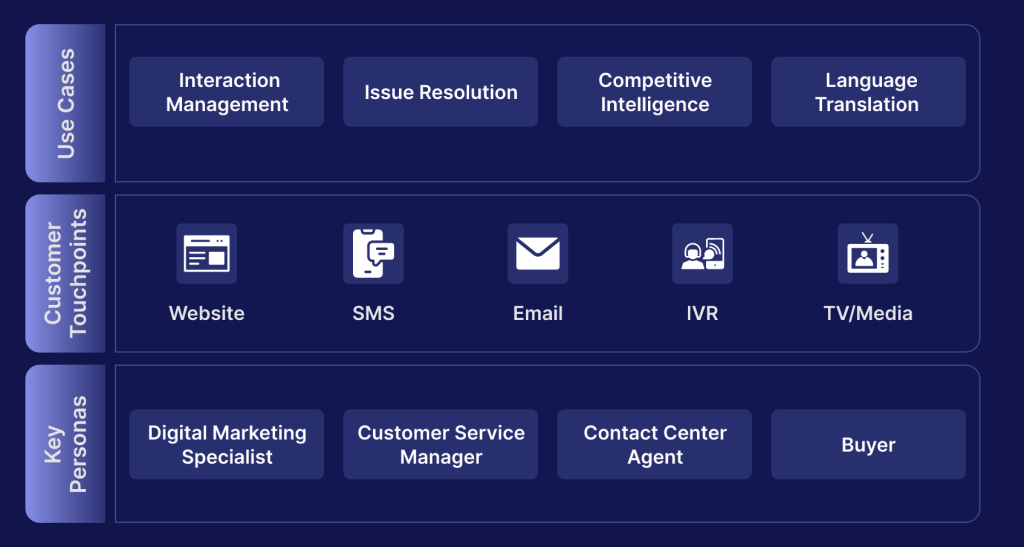
Understanding Generative AI in Customer Service
Generative AI refers to advanced machine learning algorithms that can generate human-like responses, predict customer needs, and personalize interactions. In customer service, this technology assists in automating repetitive tasks, answering questions, and resolving issues quickly and accurately. The benefits of Generative AI go beyond simple automation; it has the potential to enhance customer satisfaction by offering 24/7 support and a high level of consistency in interactions.
Key Applications of Generative AI in Customer Service
- Automated Responses and Chatbots One of the primary uses of Generative AI in customer service is the development of intelligent chatbots. These AI-powered bots provide instant responses to customers, simulating natural human conversation. By understanding customer queries and offering relevant information or solutions, Generative AI enables companies to handle a high volume of requests efficiently. Chatbots are particularly useful for addressing frequently asked questions, allowing human agents to focus on more complex customer concerns.
- Personalized Customer Interactions Generative AI can analyze customer data and previous interactions to provide personalized responses, creating a tailored experience. This personalization might include recommending products, reminding customers of past interactions, or predicting their needs. For instance, an AI-based system could offer relevant solutions based on a customer’s history, making interactions feel more thoughtful and improving customer satisfaction.
- Enhanced Data Analysis and Feedback Processing By processing large volumes of data quickly, Generative AI enables companies to understand common customer pain points and improve service delivery. Analyzing feedback from multiple sources, such as surveys, social media, and support tickets, AI can help identify trends and areas for improvement. These insights are invaluable for customer service departments, enabling them to proactively address recurring issues and adjust their strategies to meet customer expectations better.
Advantages of Using Generative AI in Customer Service
- Increased Efficiency and Reduced Costs Generative AI in customer service streamlines operations, reducing the need for extensive human intervention. AI-driven solutions manage high-volume tasks, such as responding to inquiries or handling repetitive requests. This improves efficiency and allows businesses to save on staffing costs without compromising service quality.
- 24/7 Availability With Generative AI, companies can provide customer support around the clock. Traditional customer service operations often limit availability, but AI-based systems can operate continuously, addressing customer queries even during off-hours. This 24/7 support increases customer satisfaction by ensuring help is available when needed.
- Consistency in Customer Service Delivery Generative AI can deliver consistent and accurate responses across all customer interactions, maintaining a high standard in service delivery. Human agents might inadvertently provide varying responses, but AI-driven systems ensure that customers receive reliable information every time. Consistency strengthens customer trust and contributes to a positive brand reputation.
- Proactive Customer Support Generative AI in customer service enables businesses to anticipate customer needs, offering proactive support that prevents issues before they arise. For example, AI can analyze patterns in customer behavior and alert them to potential service disruptions or issues they may encounter. This proactive approach enhances the customer experience and positions companies as attentive and responsive.
Overcoming Challenges in Implementing Generative AI in Customer Service
While the benefits of Generative AI in customer service are substantial, implementing this technology comes with its own set of challenges:
- Data Privacy Concerns With the extensive data collection required to personalize customer interactions, maintaining customer data privacy becomes essential. Companies must ensure their AI solutions comply with data protection regulations, such as GDPR or CCPA, to build trust with their customers. Prioritizing data security and transparent policies can help alleviate customer concerns over AI-driven personalization.
- Balancing Automation with Human Touch While Generative AI can handle a vast number of interactions, it’s essential to strike a balance between automation and human touch. AI may not always grasp the nuances or emotions that a human agent can. For complex or emotionally charged interactions, businesses should incorporate a seamless transition from AI to human agents. This hybrid approach ensures that customers feel valued and understood, improving their overall experience.
- Ensuring Accuracy and Relevance To maintain effectiveness, Generative AI systems require regular updates and continuous training. Outdated AI models may provide incorrect or irrelevant responses, leading to customer dissatisfaction. Investing in ongoing model training and monitoring ensures that AI-driven customer service stays accurate and aligned with current customer needs and industry standards.
Future of Generative AI in Customer Service
The role of Generative AI in customer service is expected to expand, with emerging technologies enhancing the ways companies interact with customers. Advancements like sentiment analysis and real-time voice recognition are paving the way for even more personalized experiences. As AI systems become more sophisticated, they will likely provide deeper insights into customer preferences and automate more complex tasks.
Additionally, with the integration of natural language processing (NLP) and machine learning, AI can better understand and interpret customer queries, adapting to changes in language and context. This evolving capability will enable more intuitive and accurate responses, further enhancing the potential of Generative AI in customer service.
Conclusion
Generative AI in customer service is transforming the way companies approach customer support, enabling faster responses, personalized interactions, and proactive assistance. While there are challenges, such as ensuring data privacy and maintaining accuracy, the benefits of Generative AI make it a valuable asset in improving customer satisfaction and loyalty. As this technology continues to advance, businesses that adopt and adapt to AI-driven customer service will be well-positioned to meet and exceed customer expectations in a competitive landscape.
 Tech Business
Leave a comment