Introduction
In today’s fast-paced regulatory landscape, organizations are under increasing pressure to comply with ever-changing rules and standards. Traditional compliance methods, while effective, often struggle to keep up with the volume and complexity of regulations. Enter AI agents in compliance, which offer innovative solutions to streamline processes, improve accuracy, and enhance overall compliance management. These intelligent systems are transforming the way businesses approach regulatory requirements, making it easier for them to stay ahead of the curve.
Understanding AI Agents in Compliance
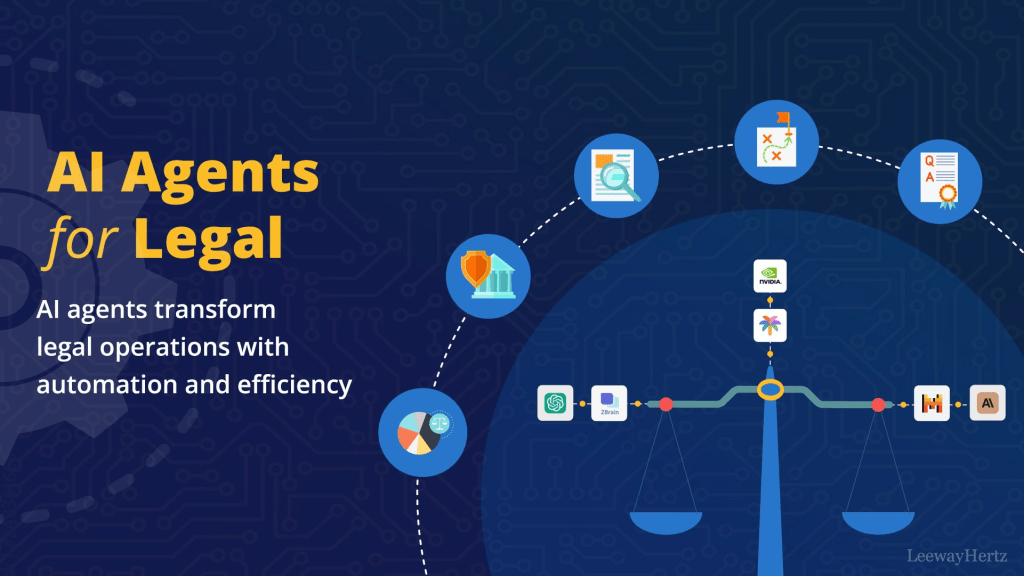
AI agents in compliance are software systems powered by artificial intelligence (AI) that assist organizations in meeting regulatory requirements. These agents use machine learning, natural language processing, and other AI technologies to analyze, monitor, and ensure compliance with rules and regulations in real-time. By automating routine tasks and providing deep insights into complex regulatory frameworks, AI agents help businesses save time, reduce human error, and stay compliant without the need for extensive manual intervention.
How AI Agents Improve Compliance Management
AI agents in compliance offer several key advantages over traditional methods. Here are some of the main ways they are improving compliance management:
- Automation of Routine Tasks
Manual compliance tasks, such as reviewing documents, monitoring transactions, and tracking regulatory updates, can be time-consuming and prone to human error. AI agents automate these processes, reducing the workload on compliance teams and ensuring tasks are completed faster and more accurately. For example, AI agents can automatically scan contracts for compliance issues or monitor transactions for signs of financial misconduct.
- Real-Time Monitoring and Alerts
Regulations often change quickly, and staying up to date with the latest requirements is crucial for maintaining compliance. AI agents in compliance continuously monitor regulatory sources and provide real-time alerts about changes or potential compliance risks. This allows businesses to react quickly to any new developments and ensure they remain compliant at all times.
- Risk Assessment and Predictive Analytics
AI agents are equipped with advanced analytics capabilities that enable them to assess compliance risks more effectively. By analyzing historical data, AI agents can identify patterns and predict potential compliance issues before they arise. This proactive approach allows businesses to take preventive measures, reducing the likelihood of non-compliance and its associated penalties.
- Improved Accuracy and Reduced Human Error
AI agents can process vast amounts of data and detect inconsistencies or errors that may go unnoticed by human reviewers. This increased accuracy reduces the risk of compliance mistakes, which could result in costly fines or reputational damage. Furthermore, AI agents can ensure consistency across all compliance processes, ensuring that all regulations are applied uniformly throughout the organization.
- Cost Savings
By automating repetitive compliance tasks and improving efficiency, AI agents can significantly reduce operational costs. Organizations can free up valuable resources that would otherwise be spent on manual compliance work, allowing them to focus on more strategic activities. Additionally, by preventing non-compliance and the associated penalties, AI agents help businesses save money in the long run.
Challenges and Considerations for Implementing AI Agents in Compliance
While the benefits of AI agents in compliance are clear, there are several challenges that organizations must consider when implementing these technologies:
- Data Privacy and Security
Compliance often involves handling sensitive data, such as customer information or financial records. AI agents in compliance must be designed with robust security features to protect this data from breaches or misuse. Ensuring compliance with data protection regulations, such as GDPR, is also essential when deploying AI agents.
- Integration with Existing Systems
Integrating AI agents into existing compliance frameworks can be complex, especially for organizations with legacy systems. Proper integration is necessary to ensure seamless communication between AI agents and other compliance tools. Businesses may need to invest in specialized software or consult with experts to facilitate this integration.
- Regulatory Compliance of AI Systems
AI agents in compliance must themselves be subject to regulation. As AI technology continues to evolve, there are concerns about the ethical implications of relying on automated systems for compliance decisions. Organizations need to ensure that AI agents are programmed to comply with the same legal and ethical standards as human compliance officers.
- Training and Expertise
While AI agents can automate many tasks, human oversight is still essential. Compliance teams will need to be trained to work alongside AI agents, understanding how to interpret the data and recommendations provided by these systems. Additionally, businesses will need personnel with expertise in AI technology to manage and maintain these systems effectively.
The Future of AI Agents in Compliance
The future of AI agents in compliance looks promising, with ongoing advancements in AI technology likely to further enhance their capabilities. As machine learning models become more sophisticated, AI agents will be able to handle more complex regulatory challenges and provide even greater levels of automation and insight. Businesses that embrace AI agents in compliance will be better positioned to adapt to evolving regulatory environments and gain a competitive edge in their industries.
Furthermore, as AI technology continues to mature, we can expect to see increased collaboration between AI agents and human compliance professionals. By working together, AI agents and compliance teams can achieve a more efficient, accurate, and proactive approach to compliance management.
Conclusion
AI agents in compliance are revolutionizing the way organizations approach regulatory requirements. By automating routine tasks, offering real-time monitoring, and improving accuracy, these intelligent systems are making compliance more efficient and cost-effective. While there are challenges to consider when implementing AI agents, their potential benefits far outweigh the drawbacks. As AI technology continues to evolve, AI agents in compliance will play an even more critical role in ensuring that businesses remain compliant in an increasingly complex regulatory landscape.
 Tech Business
Leave a comment