Artificial Intelligence (AI) is rapidly transforming various industries, and intellectual property (IP) is no exception. AI agents are playing an increasingly significant role in managing, creating, and protecting intellectual property. From automating mundane tasks to enhancing strategic decision-making, these intelligent systems are changing the landscape of IP management.
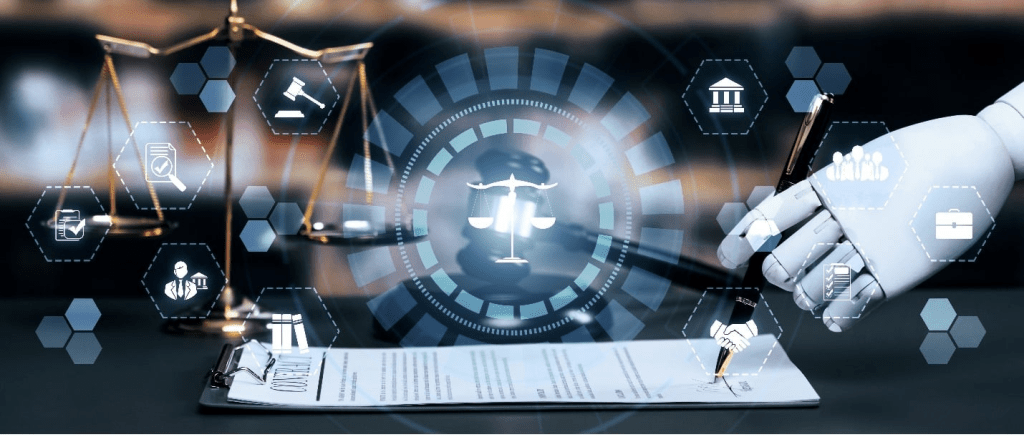
Understanding AI Agents in Intellectual Property
AI agents are software systems designed to perform tasks that traditionally require human intelligence. In the realm of intellectual property, they can analyze vast amounts of data, recognize patterns, and make predictions, helping innovators and organizations safeguard their creations. Whether it’s patent searching, trademark monitoring, or copyright management, AI agents streamline these processes with remarkable efficiency.
Enhancing Patent Research
Patent research is a crucial step in the innovation process, ensuring that new ideas do not infringe on existing patents. Traditionally, this task has been time-consuming and prone to human error. AI agents, however, can scan millions of patent databases in seconds, identifying relevant documents and potential overlaps.
By employing natural language processing (NLP) and machine learning algorithms, AI agents interpret technical jargon and identify similarities between patents. This allows inventors and businesses to make informed decisions faster, reducing the time to market for new products.
Revolutionizing Trademark Monitoring
Trademark infringement is a significant concern for businesses and creators. AI agents in intellectual property play a pivotal role in trademark monitoring by analyzing global databases and identifying unauthorized use of trademarks.
These agents detect phonetic, visual, and conceptual similarities that may go unnoticed by human analysts. This proactive approach helps businesses take swift action to protect their brand identity, preserving their reputation and market position.
Streamlining Copyright Management
The digital era has brought an explosion of creative content, from music and movies to software and written works. Protecting these assets is more challenging than ever, but AI agents are up to the task.
AI systems can track the usage of copyrighted material across digital platforms, identifying unauthorized distribution or replication. This not only protects creators but also ensures that they receive appropriate recognition and compensation for their work.
Supporting IP Litigation
Intellectual property disputes often involve complex legal arguments and voluminous documentation. AI agents assist legal teams by analyzing case law, extracting relevant precedents, and even predicting case outcomes based on historical data.
By providing insights and identifying patterns, these agents help streamline legal strategies, saving time and resources. Additionally, they reduce the likelihood of human oversight, ensuring that critical details are not missed.
Facilitating Innovation Through Data Analysis
AI agents in intellectual property do more than protect existing assets—they also foster innovation. By analyzing trends in patent filings, technological advancements, and market demands, these systems provide valuable insights for businesses and researchers.
For instance, an AI agent might identify emerging technologies that are ripe for development or highlight gaps in the market that new products could fill. This strategic guidance empowers innovators to stay ahead of the curve in an increasingly competitive landscape.
Addressing Ethical and Legal Challenges
While AI agents offer immense benefits in intellectual property, they also raise ethical and legal concerns. For example, can an AI-generated invention qualify for a patent? Who owns the rights to works created by AI systems?
These questions highlight the need for evolving IP laws that account for the unique challenges posed by AI. Policymakers and legal experts are actively working to address these issues, ensuring that the integration of AI into IP management remains fair and equitable.
The Future of AI Agents in Intellectual Property
The adoption of AI agents in intellectual property is still in its early stages, but the potential is undeniable. As AI technology continues to advance, these systems will become even more sophisticated, offering deeper insights and greater efficiencies.
In the future, we can expect AI agents to play a central role in automating IP processes, reducing costs, and enhancing accessibility. This will democratize innovation, allowing creators of all sizes to protect and monetize their ideas effectively.
Conclusion
AI agents in intellectual property are transforming the way we manage and protect creative and technological innovations. By automating tedious tasks, enhancing decision-making, and fostering innovation, these systems are empowering businesses and creators alike.
As we navigate the challenges and opportunities posed by AI, it’s clear that these intelligent systems will play a pivotal role in shaping the future of intellectual property. With thoughtful integration and ethical considerations, AI agents can help unlock the full potential of human ingenuity in the years to come.
 Tech Business
Leave a comment