Introduction
In today’s fast-paced world, businesses and organizations handle vast amounts of data daily. Managing this information efficiently is crucial for productivity and compliance. This is where AI agents in document management step in, offering advanced solutions to streamline processes, reduce human error, and ensure secure handling of sensitive documents. This article explores how AI agents are transforming document management, their key benefits, and future potential.
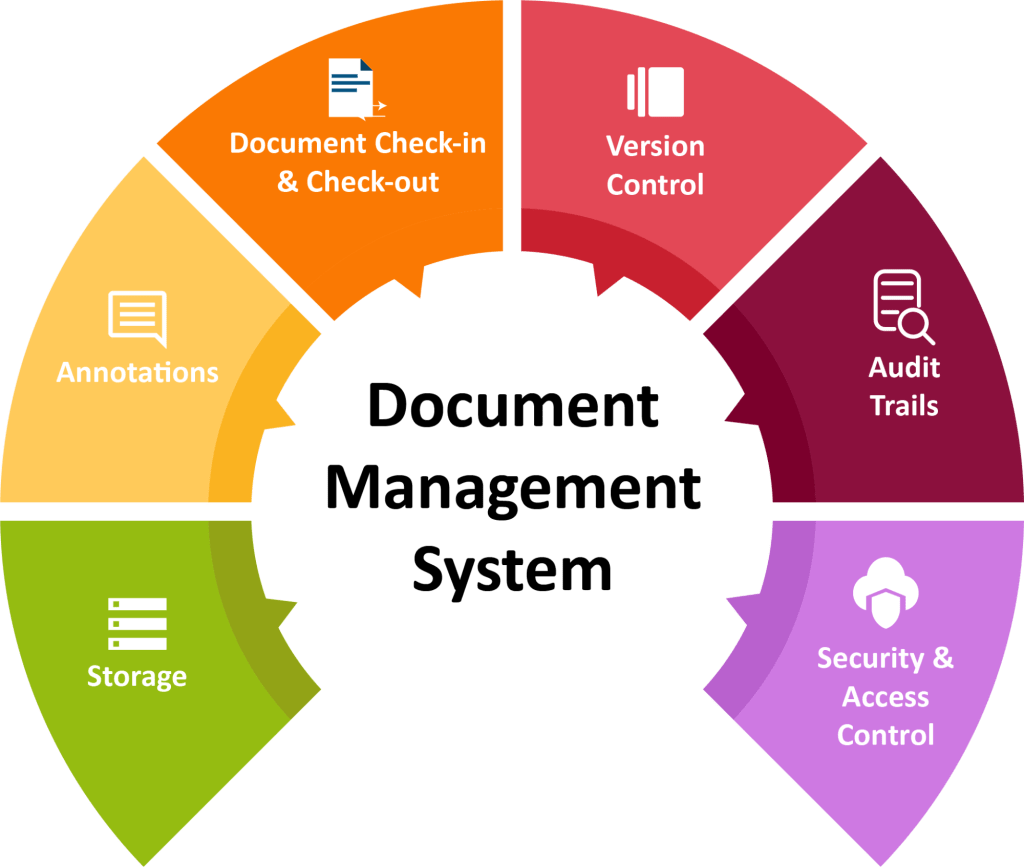
What Are AI Agents in Document Management?
AI agents in document management refer to intelligent systems that leverage artificial intelligence to organize, process, and analyze documents. These systems go beyond basic automation, incorporating machine learning, natural language processing (NLP), and optical character recognition (OCR) to handle complex tasks. Whether sorting emails, digitizing physical records, or extracting key data points, AI agents have become indispensable tools for modern businesses.
Key Benefits of AI Agents in Document Management
- Enhanced Accuracy
Traditional document management processes are prone to human error, especially when dealing with repetitive tasks like data entry. AI agents significantly reduce mistakes by automating these processes and ensuring consistency. For instance, an AI-powered system can accurately extract names, dates, or account numbers from a document without missing crucial details. - Time Efficiency
Manually managing documents can be time-consuming, especially for large organizations. AI agents streamline these tasks by quickly categorizing and indexing files, allowing employees to focus on higher-value activities. Searching for a specific file or extracting key insights from a report becomes a matter of seconds with AI. - Improved Security and Compliance
Ensuring data security and regulatory compliance is vital for industries such as finance, healthcare, and legal services. AI agents in document management can monitor access, detect unusual activities, and ensure compliance with regulations like GDPR or HIPAA. They also provide secure backups, minimizing the risk of data breaches or loss. - Cost Reduction
By automating labor-intensive processes, AI agents in document management save costs associated with manual handling, storage, and error correction. Businesses can reduce overhead expenses while achieving faster turnaround times.
Applications of AI Agents in Document Management
- Automated Data Extraction
AI agents excel at extracting data from unstructured documents such as invoices, contracts, and receipts. They use advanced algorithms to identify relevant information, ensuring accurate processing without manual intervention. - Intelligent Search and Retrieval
Locating a document in a sea of files can be daunting. AI agents use contextual search capabilities to find documents quickly, even if the user inputs partial or vague keywords. - Document Categorization and Tagging
AI systems can automatically classify documents into predefined categories, making it easier to organize files and improve accessibility. This is especially useful for industries like logistics, where proper documentation is critical. - Workflow Automation
AI agents optimize workflows by routing documents to the right person or department. For instance, a loan application could automatically be sent to the underwriting team after initial processing.
The Role of AI in Digitizing Paper-Based Systems
Despite the push towards digital transformation, many businesses still rely on paper-based systems. AI agents in document management play a pivotal role in bridging this gap. By using OCR, these systems can scan and convert physical documents into digital formats, making them searchable and editable. This not only preserves historical records but also integrates them into modern systems seamlessly.
Challenges in Implementing AI Agents in Document Management
While the advantages are clear, implementing AI agents in document management does come with challenges:
- Integration with Existing Systems
Many organizations face difficulties integrating AI solutions with legacy software. Ensuring compatibility and a smooth transition requires careful planning. - Data Privacy Concerns
AI agents handle sensitive data, raising concerns about privacy and confidentiality. Companies must implement robust security measures to protect information. - Initial Investment Costs
The upfront costs of deploying AI agents can be significant. However, the long-term benefits often outweigh the initial expenses. - Skill Gaps
Employees may require training to effectively use AI-powered tools. Bridging the knowledge gap is essential for maximizing ROI.
The Future of AI Agents in Document Management
The future holds immense potential for AI agents in document management. Advancements in machine learning and NLP will enable even greater automation and accuracy. Predictive analytics could help businesses anticipate trends, and AI’s ability to integrate with emerging technologies like blockchain could revolutionize data security.
As businesses increasingly adopt AI agents, we can expect streamlined operations, improved decision-making, and better resource utilization. In the coming years, AI agents in document management will likely become the backbone of digital transformation efforts across industries.
Conclusion
AI agents in document management are reshaping how organizations handle information. From reducing errors and saving time to enhancing security and compliance, their impact is profound. By addressing implementation challenges and staying updated with technological advancements, businesses can unlock the full potential of AI-driven document management.
 Tech Business
Leave a comment