The advent of artificial intelligence (AI) is reshaping industries across the board, and the field of learning and development (L&D) is no exception. AI agents are emerging as powerful tools, driving significant changes in how organizations approach skill-building, training, and workforce development. In this article, we will explore how AI agents are revolutionizing learning and development, their benefits, and the challenges they address.
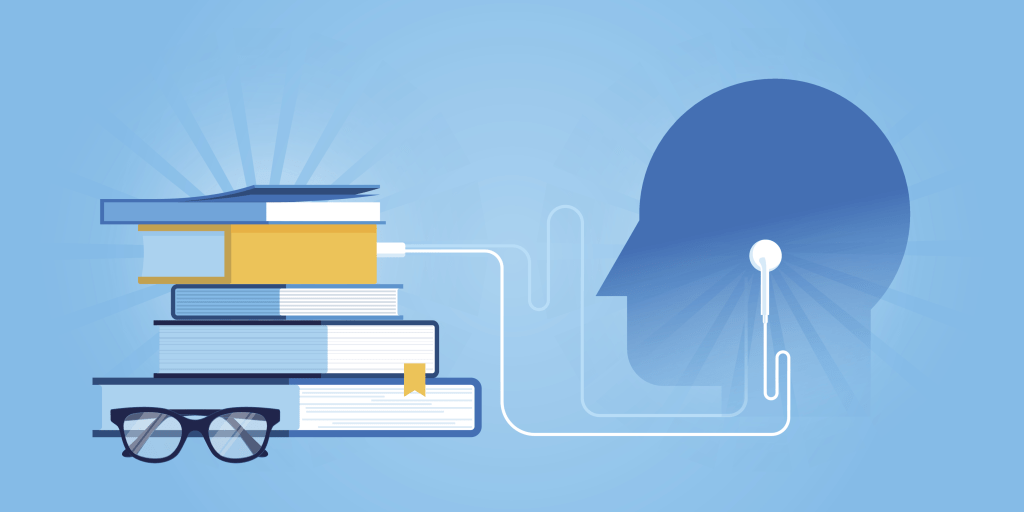
What Are AI Agents in Learning and Development?
AI agents are intelligent systems designed to perform specific tasks, often mimicking human behaviors such as decision-making, problem-solving, and communication. In the context of learning and development, these agents assist in creating personalized, adaptive, and scalable learning experiences.
These systems analyze vast amounts of data to identify learning patterns, tailor content, and offer timely interventions. Unlike traditional training methods, AI agents provide a dynamic and learner-centric approach, ensuring that individuals receive relevant and engaging educational experiences.
Benefits of AI Agents in Learning and Development
The integration of AI agents in learning and development offers several advantages that align with modern workplace needs:
- Personalized Learning Journeys
AI agents customize learning paths for individuals by assessing their current skill levels, learning styles, and professional goals. For example, employees seeking to upskill can receive targeted training modules that focus on their knowledge gaps, enhancing efficiency and engagement. - Continuous Feedback and Assessment
AI agents provide real-time feedback, helping learners track their progress and identify areas for improvement. This iterative process ensures that training remains effective and relevant. - Cost-Effective Training Solutions
Traditional training methods often require significant resources and time. AI agents streamline this process by automating administrative tasks such as scheduling, content delivery, and progress tracking, reducing costs while maintaining quality. - Enhanced Engagement through Gamification
Many AI-driven platforms incorporate gamification to make learning more engaging. By integrating elements like quizzes, leaderboards, and rewards, AI agents transform routine training sessions into interactive and enjoyable experiences. - Scalability and Accessibility
Organizations with a geographically dispersed workforce benefit from AI agents, as these systems can deliver consistent training programs across multiple locations and languages. This scalability ensures that all employees receive the same high-quality learning opportunities.
Applications of AI Agents in Learning and Development
AI agents are versatile and can be applied across various aspects of L&D:
- Employee Onboarding
AI agents streamline the onboarding process by guiding new hires through company policies, procedures, and required training modules. They also answer FAQs, helping new employees integrate quickly and efficiently. - Skill Gap Analysis
By analyzing employee performance data, AI agents identify skill gaps and recommend appropriate training. This ensures that L&D programs align with organizational goals and individual career development. - Leadership Development
For leadership roles, AI agents curate advanced training programs that focus on decision-making, emotional intelligence, and strategic thinking, tailored to the unique challenges leaders face. - Compliance Training
AI agents automate compliance training, ensuring that employees are up to date with regulations and standards. This reduces the risk of non-compliance while maintaining employee engagement. - Virtual Mentorship
AI agents act as virtual mentors, providing guidance and resources to learners at any time. They also connect employees with relevant experts for additional support.
Challenges and Considerations
While AI agents in learning and development offer numerous benefits, their implementation comes with challenges:
- Data Privacy Concerns
AI agents rely heavily on data to deliver personalized experiences. Organizations must ensure robust data protection measures to address privacy concerns. - Resistance to Change
Employees may be hesitant to adopt AI-driven training tools due to unfamiliarity or fear of being replaced. Clear communication and training on the benefits of AI agents can help mitigate resistance. - Ensuring Bias-Free Content
AI systems can inadvertently reflect biases present in training data. Regular audits and diverse data sets are crucial to maintaining fairness and inclusivity. - Integration with Existing Systems
Seamlessly integrating AI agents with existing L&D platforms and workflows can be complex. Organizations need to ensure compatibility and proper training for administrators.
The Future of AI Agents in Learning and Development
The role of AI agents in learning and development is expected to grow exponentially in the coming years. Emerging trends such as augmented reality (AR), virtual reality (VR), and conversational AI will further enhance learning experiences. AI agents will likely become more intuitive, capable of predicting learning needs even before they arise.
By bridging skill gaps, fostering continuous learning, and enhancing workforce adaptability, AI agents are set to become indispensable in the ever-evolving landscape of learning and development.
Conclusion
AI agents in learning and development are transforming the way organizations train and upskill their workforce. By offering personalized, efficient, and scalable solutions, these intelligent systems are redefining traditional training models. While challenges exist, the benefits of integrating AI agents into L&D far outweigh the drawbacks, making them a critical asset for future-ready organizations.
Organizations that embrace AI agents now will not only enhance their learning and development efforts but also build a more agile and competitive workforce. The journey of incorporating AI agents may be just beginning, but its potential is boundless.
 Tech Business
Leave a comment